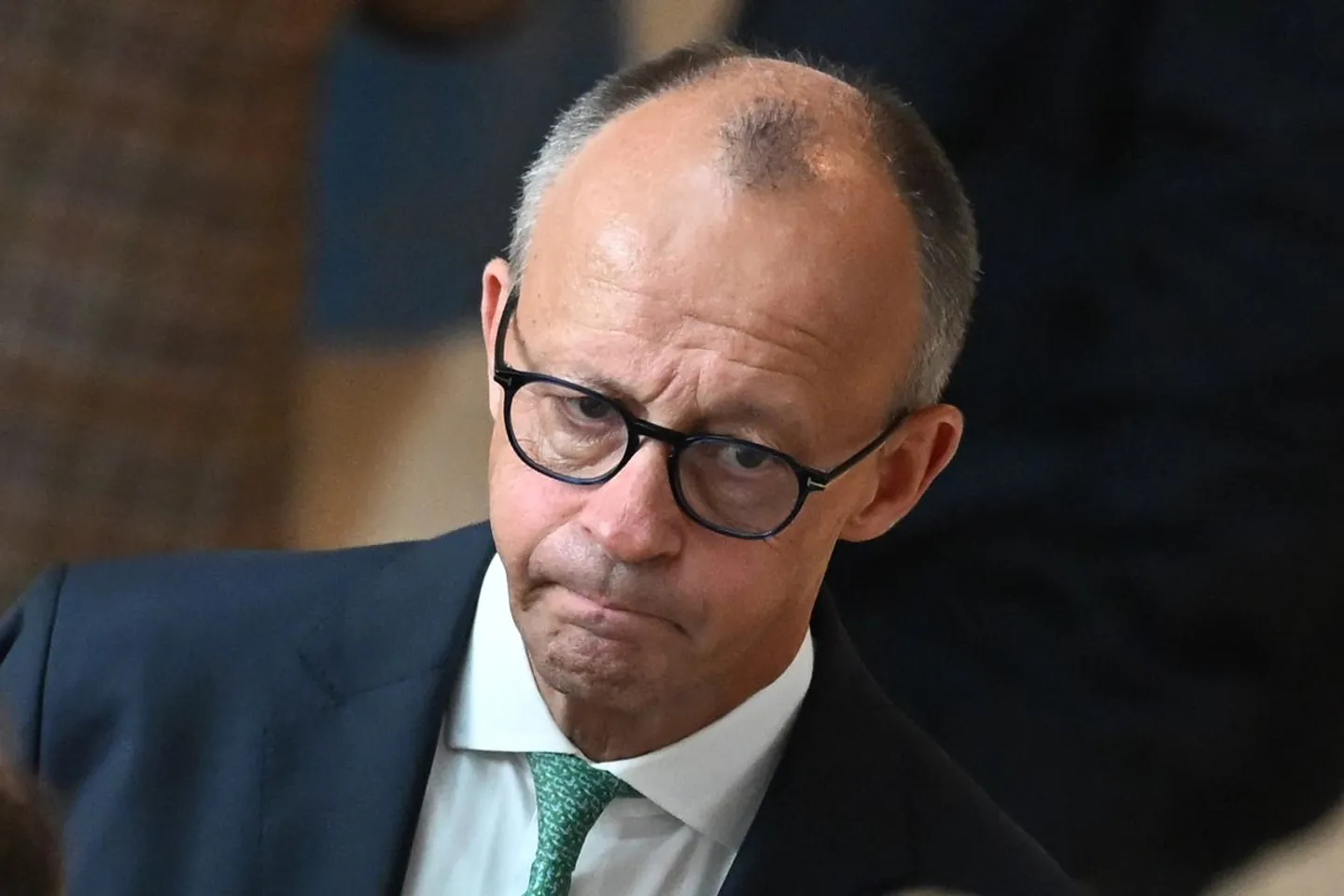
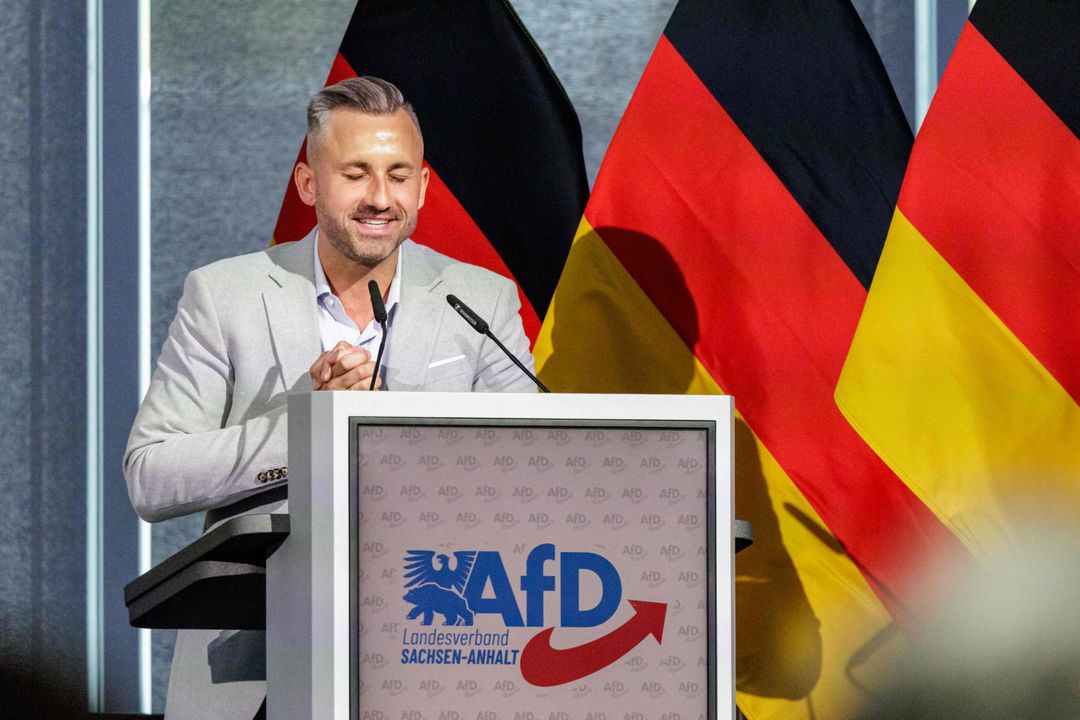
German Chancellor Friedrich Merz warned on Wednesday that extremism was gaining ground inside the country’s legislatures after a lawmaker from the far-right Alternative for Germany (AfD) was elected president of the Saxony-Anhalt state parliament.
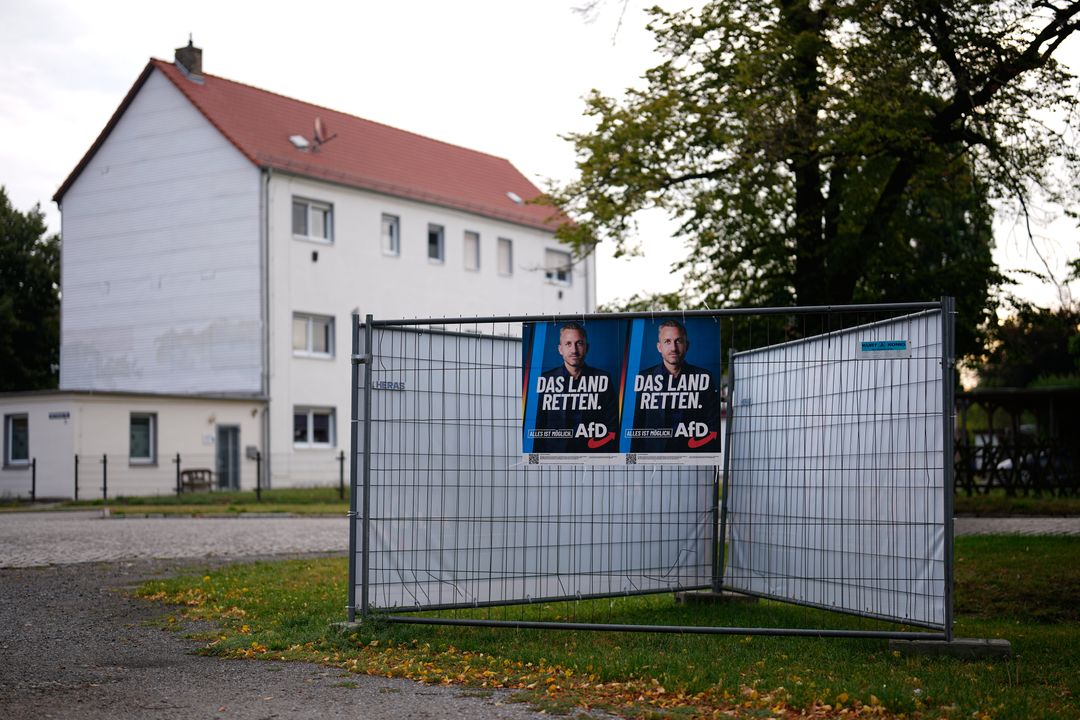
Tobias Rausch secured 48 votes in Tuesday’s secret ballot, after the AfD emerged as the largest party in last month’s state election.
The result has raised questions over whether lawmakers from other parties, potentially including Merz’s Christian Democrats (CDU), helped secure his victory.
There is no evidence identifying the additional votes because the ballot was secret.
Merz urges parties to maintain AfD firewall
Merz called on politicians to reject cooperation with the AfD, saying its growing presence in state institutions posed a challenge to Germany’s democratic system.
“Extremism is forcefully making its way into our parliaments,” Merz said, warning that lawmakers who supported the AfD were “playing the extremists' game and undermining credibility.”
He said supporting the AfD was incompatible with the values of his CDU and rejected speculation that CDU lawmakers had backed Rausch, while acknowledging that the secret ballot made it difficult to establish who voted for whom.
Merz also cautioned against drawing conclusions without evidence, warning of the possibility of political “false flag operations.”





AfD and BSW push Ukraine and Russia motion
Rausch received more votes than the AfD and the far-left Sahra Wagenknecht Alliance (BSW) could provide on their own, together holding 44 seats.
The BSW had pledged before the vote to support the AfD candidate. The two parties have opposed mass immigration and called for an end to sanctions against Russia.
After the vote, the AfD and BSW used their new strength in the state parliament to introduce a motion calling on Germany to halt military and financial support for Ukraine and lift sanctions against Russia.
The development has intensified debate over the effectiveness of Germany’s so-called firewall, under which mainstream parties have traditionally ruled out coalition agreements or political cooperation with the AfD.
CDU faces pressure over secret ballot
Merz said it would be up to political groups in Saxony-Anhalt to determine whether the circumstances surrounding the vote could be clarified.
His coalition partner, the Social Democratic Party (SPD), has demanded answers from the CDU. SPD parliamentary group leader Matthias Miersch said he planned to raise the issue at a coalition meeting Wednesday evening.
Merz also accused the AfD, BSW and the far-left Left party of seeking to weaken democratic cohesion.
The controversy comes as the AfD’s strong performance in eastern Germany continues to put pressure on Merz’s government and test the long-standing political barriers separating the far-right party from Germany’s mainstream political establishment.