Syrian President Ahmed al Sharaa has vowed that his country is entering a new phase of reconstruction “worthy of its present and its past,” marking the first anniversary of the fall of Bashar al Assad’s regime, the Syrian Arab News Agency (SANA) has reported.
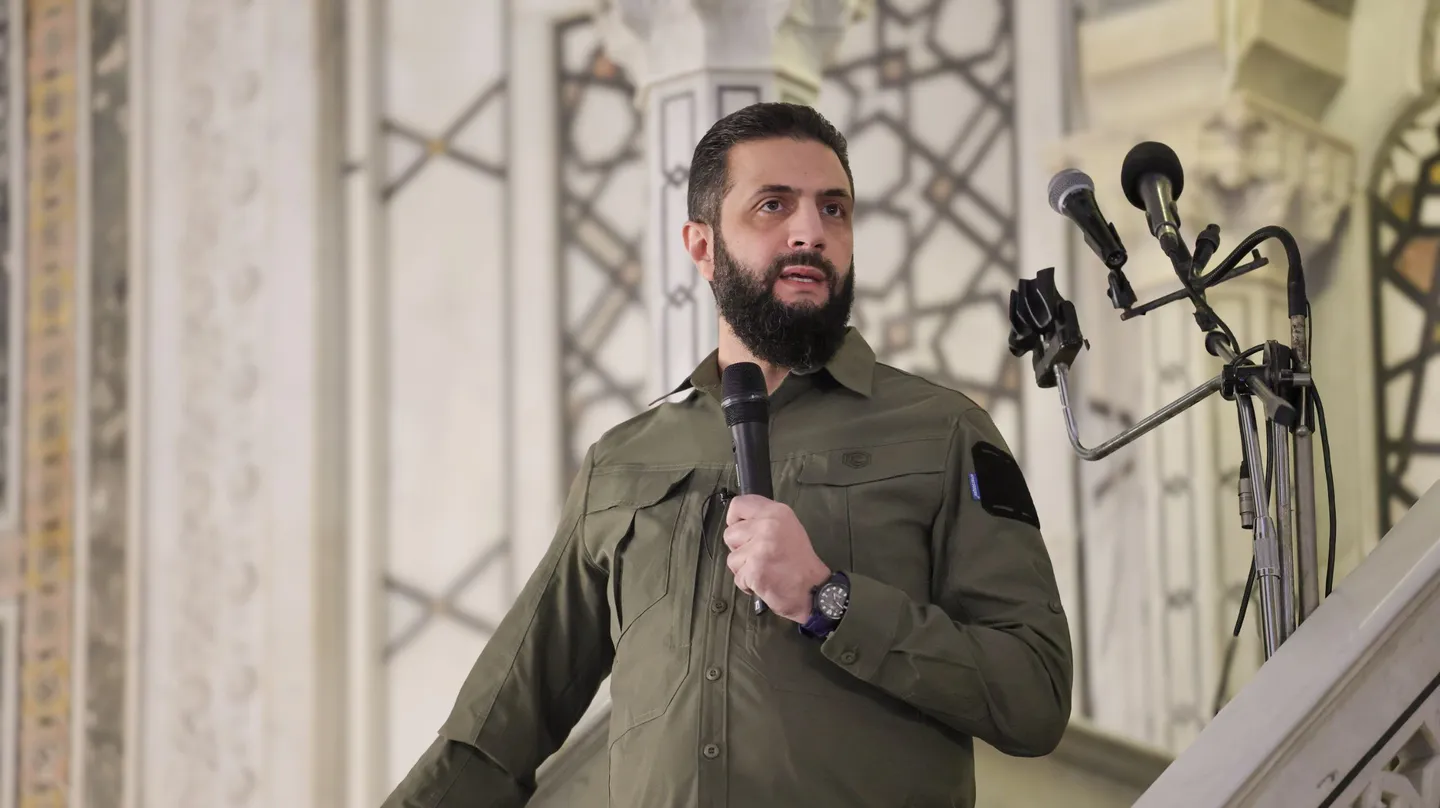
In a speech after performing the dawn prayer at the Umayyad Mosque in Damascus on Monday, al Sharaa, wearing a military uniform, told Syrians: “No one, no matter how great, will stand in our way. No obstacle will stop us, and together we will face every challenge, God willing.”
“From its north to its south, and from its east to its west, God willing, we will restore Syria strong again with a rebuilding worthy of its present and its past – a rebuilding worthy of Syria’s ancient heritage,” he added.
The next phase will be grounded in “supporting the vulnerable and ensuring justice among people,” the president went on to say.
According to SANA, al Sharaa placed a piece of the Kaaba’s cloth, presented to him by Saudi Crown Prince Mohammed bin Salman, inside the Umayyad Mosque in Damascus.
Assad, Syria’s leader for nearly 25 years, fled to Russia last December, ending the Baath Party regime, which had been in power since 1963. Al Sharaa’s new transitional administration was formed in January.
Toward a better future
Syrians are marking the first anniversary of the fall of the 61-year Baath regime with celebrations and renewed optimism that their country is transforming into a free, secure nation.
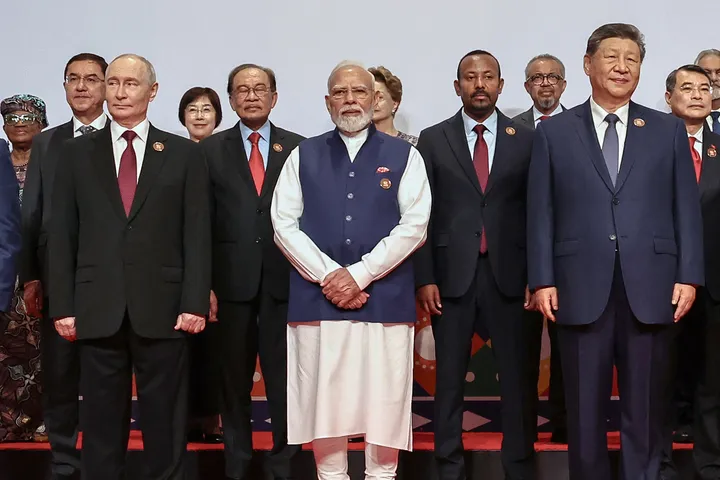
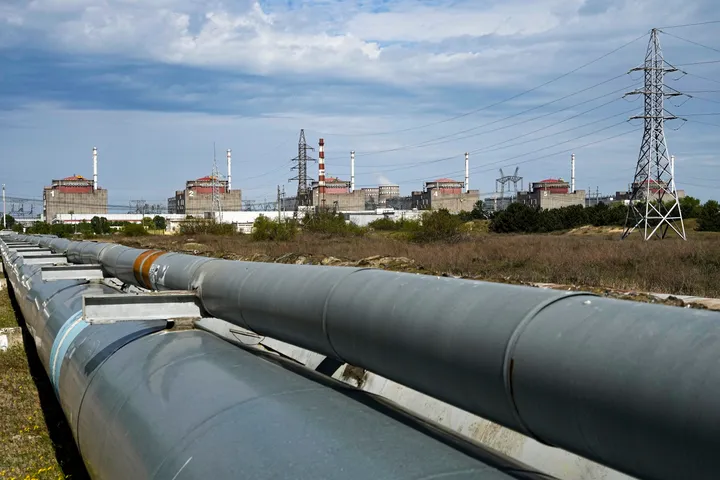
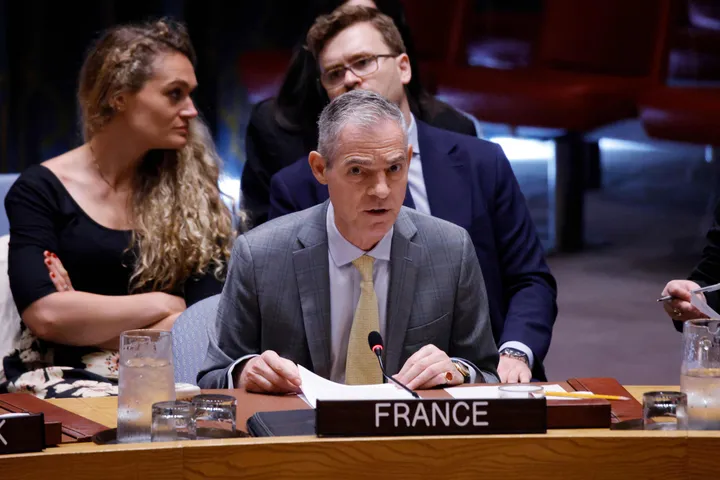

Residents of the capital Damascus say the hardships they faced under the ousted Bashar al Assad regime have ended, expressing confidence that the new administration will lead Syria towards a better future, particularly in freedom, the economy and security.
The new government, established after the collapse of the Assad regime, has taken steps to provide basic services, including electricity and civil servants’ salaries, while implementing decisions that directly affect citizens’ daily lives.
A presidential decree in June raised civil servant salaries from 250,000 Syrian pounds (about $15 at the time) to 750,000 Syrian pounds (about $65).
Meanwhile, repair and maintenance work began on the country’s power grid, which had suffered severe damage during 14 years of bombardment.
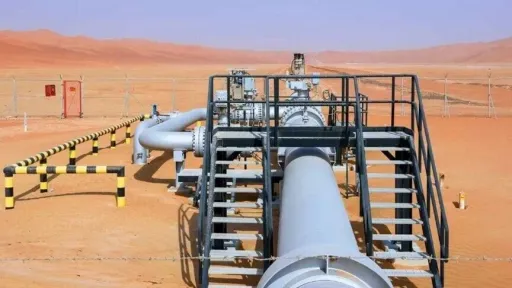
The country’s energy ministry said that production capacity had risen following work at main power plants, aided by natural gas obtained from Azerbaijan with support from Türkiye.
Under the ousted government, electricity was available only a few hours daily, but new measures quickly extended the supply to 8-10 hours per day.
Moreover, major cities including Aleppo, Homs and Damascus received uninterrupted 24-hour electricity on a trial basis for the first time in 15 years.
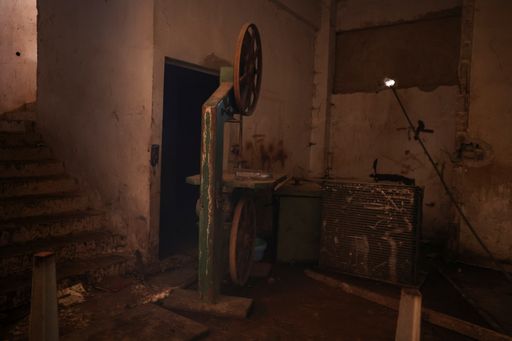
Prisons that left dark marks on the Syrian public, including Sednaya, the Mezzeh military prison and Khatib, were permanently closed.