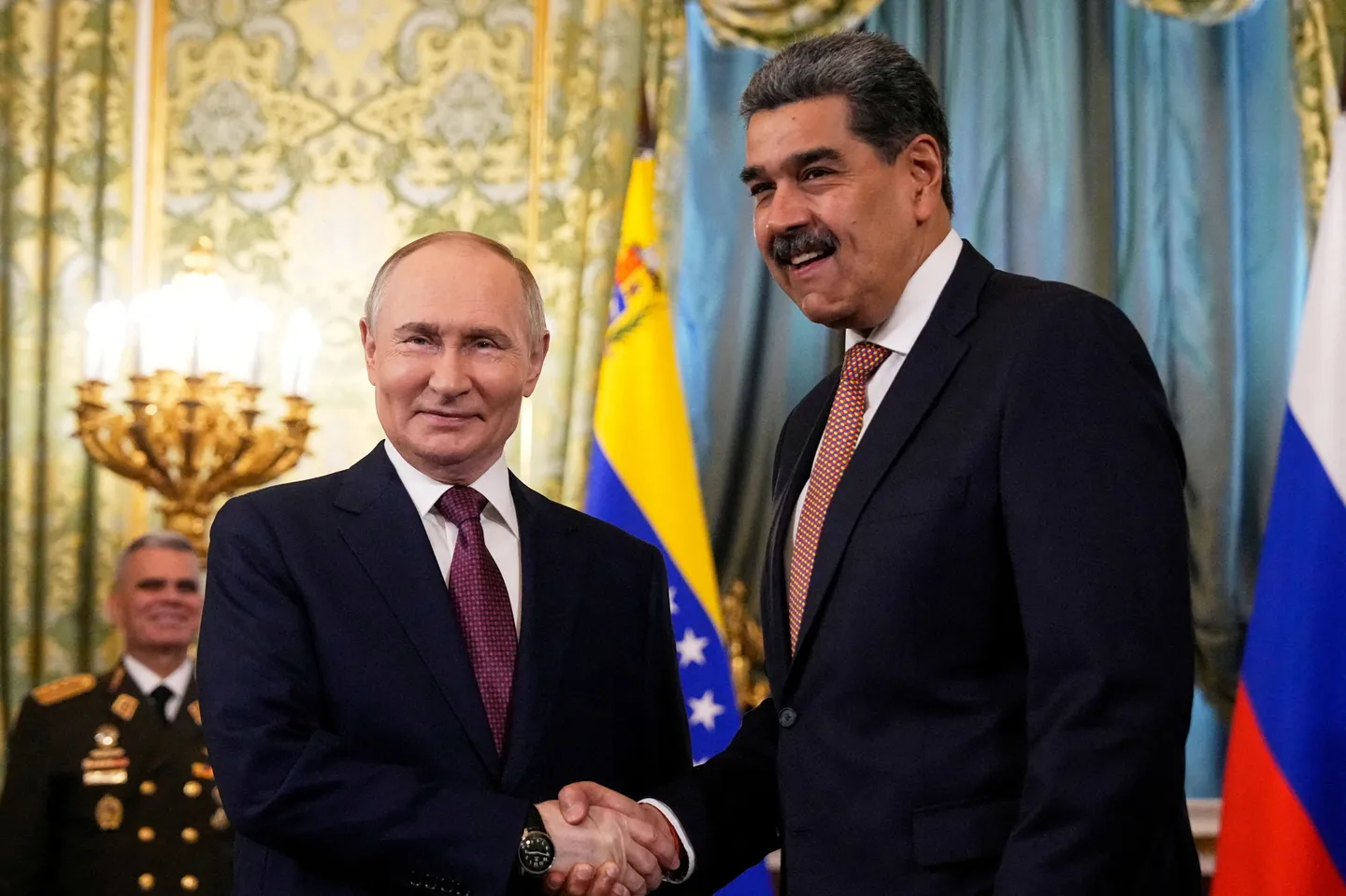
Russian President Vladimir Putin reaffirmed his support for Venezuela in a phone call with long-time ally President Nicolas Maduro, the Kremlin said.
The call comes after the United States seized an oil tanker off the Venezuelan coast, the latest point of several points of friction between the two countries.
Russia has fostered warm ties with Venezuela, with Maduro earlier this year visiting Moscow, where he attended an annual military parade and signed a broad partnership agreement with Putin.
In a phone call on Thursday, "Vladimir Putin expressed solidarity with the Venezuelan people," the Kremlin said in a read-out.
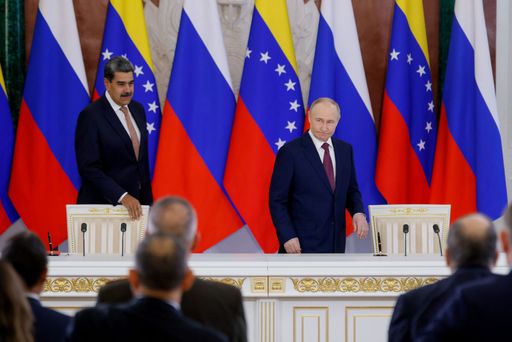
The Russian leader had also "confirmed his support for the Maduro government's policy aimed at protecting national interests and sovereignty in the face of growing external pressure", the statement added.
Mutual commitment was reconfirmed to consistently implement joint projects in trade-economic, energy, finance, cultural-humanitarian, and other spheres, according to the statement.
On Wednesday, the US military seized a Venezuelan oil tanker — troops rappelled onto the tanker's deck from a helicopter and entered the ship with rifles raised.
Washington has accused Maduro of leading a drug cartel, which he denies. Maduro has said the US is seeking regime change because of Venezuela's vast stores of oil.
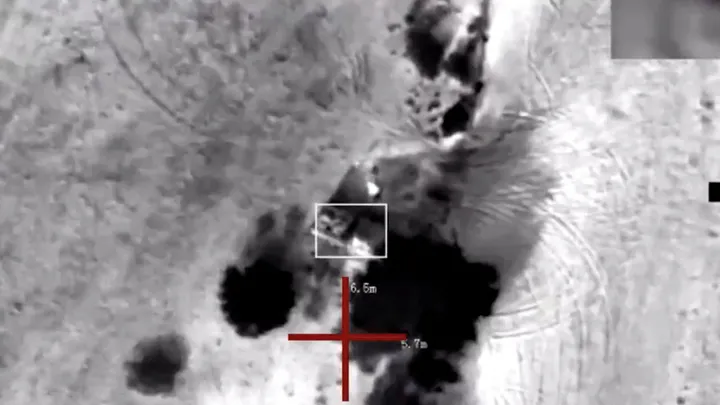
US President Donald Trump has deployed warships within striking distance of Venezuela, and at least 87 people have been killed in at least 22 strikes on boats in the Eastern Pacific and the Caribbean Sea.