 Sadiq S Bhat
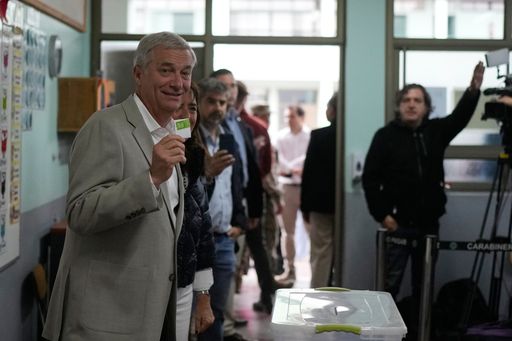
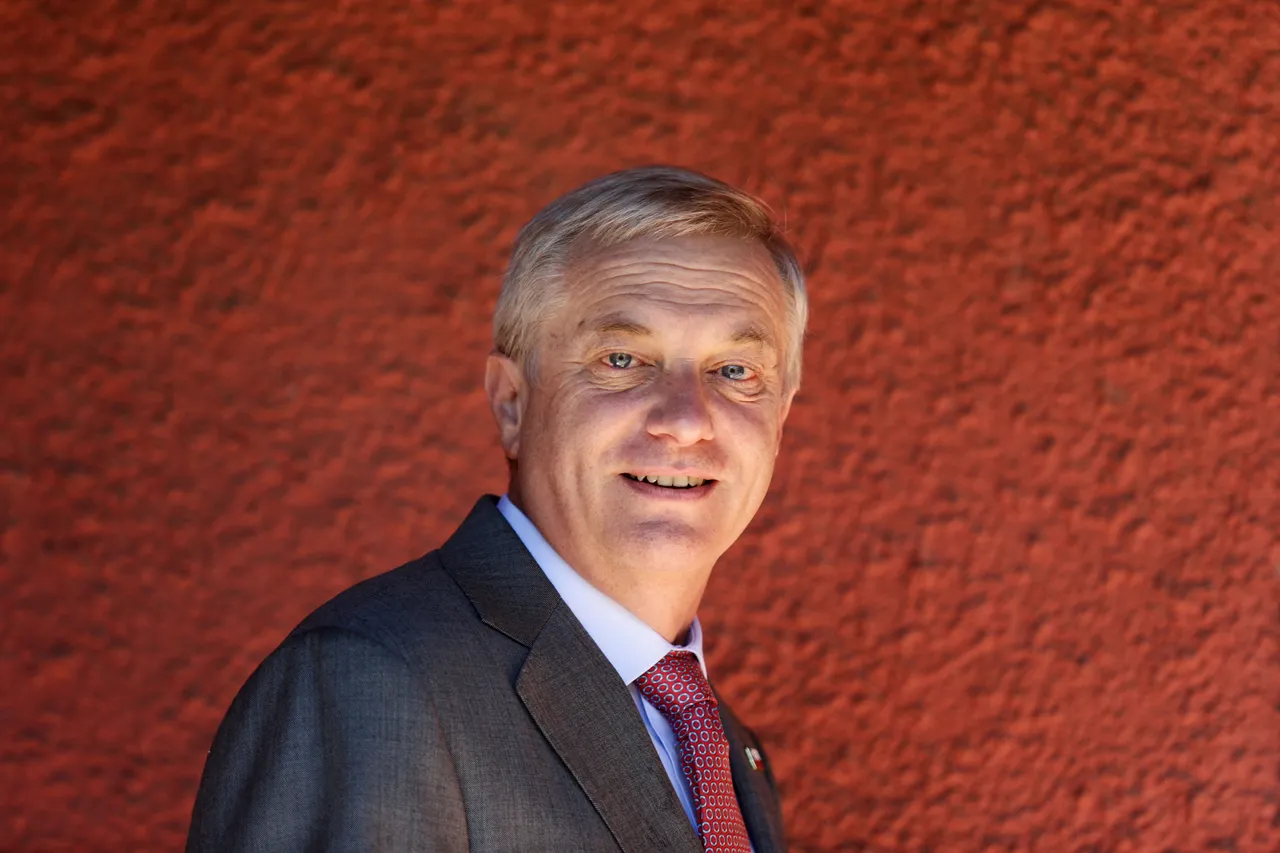
Washington, DC, — Jose Antonio Kast, Chile's president-elect, is set to take office on March 11, 2026, after winning the 2025 presidential election on his third attempt.
A far-right politician often described as conservative, Kast, 59, is noted for his strong ties to traditional values.
Kast secured over 58 percent of the vote, sealing a decisive win against Jeannette Jara of the centre left Communist Party, who trailed on about 42 percent.
In his victory speech to supporters as president-elect, Kast said, "Chile will once again be free from crime, free from anguish, free from fear."
"Criminals, delinquents, their lives are going to change. We're going to look for them, find them, judge them, and then we're going to lock them up," he added.
Born into a family of German immigrants, Kast grew up close to power. His father arrived in Chile after World War II. His older brother Miguel served as a minister and later as central bank president under General Augusto Pinochet’s military rule in the 1980s.
Kast has openly expressed admiration for Pinochet and his dictatorship.
A steady rise
Entering politics as a member of the Chamber of Deputies, Kast served from 2002 to 2018 and represented districts around Santiago.
He was part of the Independent Democratic Union until 2016, later running as an independent before founding the Chilean Republican Party in 2019, alongside a think tank called Republican Ideas.
He first ran for president in 2017 as an independent and ran again in 2021. He won the first round that year but lost the runoff to left-wing candidate Gabriel Boric. His blunt and direct style in those campaigns shook Chile’s political landscape.
He held firm conservative positions, opposing abortion, euthanasia, access to birth control and open migration policies.
In the 2025 race, Kast softened his tone to broaden his appeal. He adopted a more pragmatic image and even praised former reformist president Patricio Aylwin. That shift helped him draw support from some social-democratic voters.
Public safety was central to his campaign. Kast promised a tough response to crime, despite Chile remaining one of Latin America’s safer countries.
Polls showed security was a top concern for voters. He pledged to deploy the military to high-crime areas and expand the prison system.
Anti-immigration stance
Migration was another key focus. Kast proposed mass deportations of undocumented migrants, many from Venezuela, the creation of a new police force similar to US United States Immigration and Customs Enforcement (ICE), the construction of maximum-security prisons, and a border wall with Peru and Bolivia.
Chile stretches over 4,300 kilometres, making it one of the longest north-to-south countries in the world.
At rallies, he warned irregular migrants to leave voluntarily if they hoped to return legally in the future.




“Chile needs order — order in the streets, in the state, in the priorities that have been lost,” Kast remarked.
Kast has long opposed abortion rights and has said he would reverse Chile’s limited abortion laws and ban the morning-after pill. He is also critical of strong environmental protections.
An admirer of US President Donald Trump, Kast’s rhetoric and political style closely mirror the American leader’s.
The two are widely expected to align closely. Scholars link Kast’s message to earlier conservative movements, such as the Reagan era, with a focus on values and a hard line on perceived threats.
US endorses victory
Trump administration welcomed Kast’s victory. “Under his leadership, we are confident Chile will advance shared priorities to include strengthening public security, ending illegal immigration and revitalizing our commercial relationship,” US Secretary of State Marco Rubio said.
Kast promises to cut billions in public spending within 18 months, mainly by shrinking the state payroll and dismantling ministries. He insists social benefits will remain intact, a claim doubted by some economists.
The plan relies on a smaller government doing more with less, even as demand for public services continues to grow. Critics warn the numbers are tight and the timeline even tighter.
Alongside the cuts, he wants to lower corporate taxes and strip away regulation. He argues this will revive the fast growth of the 1990s, when Chile was held up as Latin America’s economic model.
‘A broad mandate’
Kast is married to lawyer Maria Pia Adriasola, and they have nine children.
Critics have described him as the most right-wing president Chile has had since Pinochet, and his victory reflects a broader shift across Latin America.
Recent right-wing wins in Argentina, Ecuador, Costa Rica and El Salvador suggest voters across the region are demanding tougher action on crime and border control.
Kast’s landslide win gave him over 7 million votes, the most ever in Chilean history, and victories in every region.
Voters turned to him mainly over fears of rising crime and uncontrolled migration, even though Chile remains one of Latin America's safer countries.
Uniting the right after a split first round, his win fits a regional rightward swing.
Framing his victory as a broad mandate, Kast said, “We are inviting you on a journey to recover values for a proper and healthy life.”
“It won’t be easy. It requires everyone’s commitment,” Chile’s president-elect concluded.