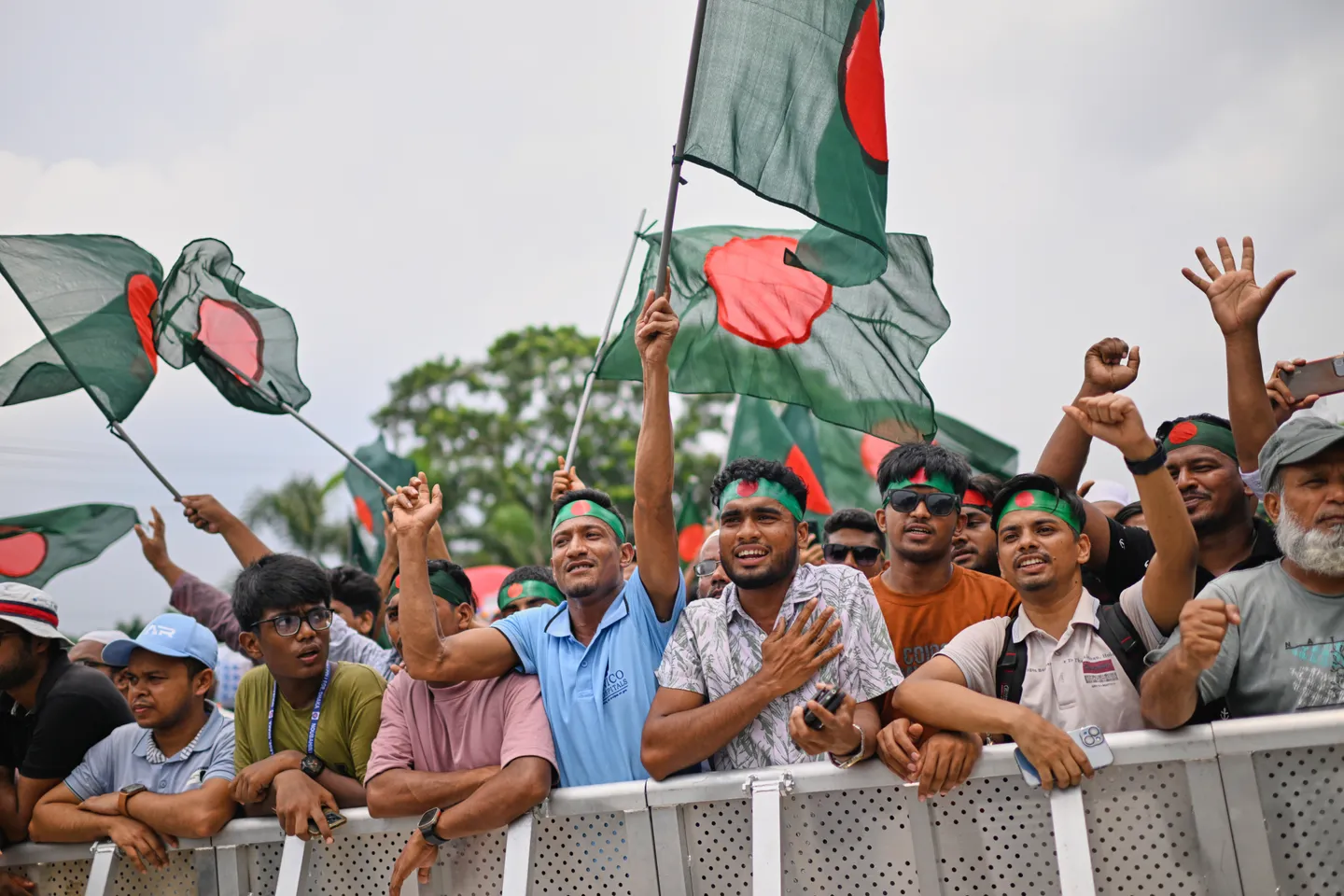
Bangladesh will vote on February 12 to elect a new parliament, the country's Election Commission said on Thursday, its first national election since a deadly student-led uprising forced then Prime Minister Sheikh Hasina to flee to India last year.
An interim administration led by Nobel laureate Muhammad Yunus has since governed the Muslim-majority South Asian country of 173 million people, but has been grappling with rising discontent over delays in promised reforms, fuelling fresh protests and political division.
A national referendum on implementing the 'July Charter', a state reform plan drafted in the aftermath of the unrest, will also be held on the same day, Chief Election Commissioner AMM Nasir Uddin said in a national broadcast on Thursday.
The charter proposes wide-ranging changes to state institutions, including curbing executive powers, strengthening the independence of the judiciary and election authorities, and preventing the misuse of law-enforcement agencies.

Reform-era parties enter the fray


Former Prime Minister Khaleda Zia’s Bangladesh Nationalist Party (BNP) is widely seen as the frontrunner in the upcoming polls, competing alongside the Jamaat-e-Islami party, which has returned to electoral politics after the interim government eased restrictions.
The National Citizen Party formed by student leaders after the 2024 uprising is seen trailing behind BNP and Jamaat, as it struggles to convert street power into electoral strength.
Hasina’s Awami League, has been barred from contesting the election.
Restoring democratic rule, reviving the economy after disruptions hurt the export-driven garment industry, tackling corruption, and ensuring media freedom are among the key issues for voters.