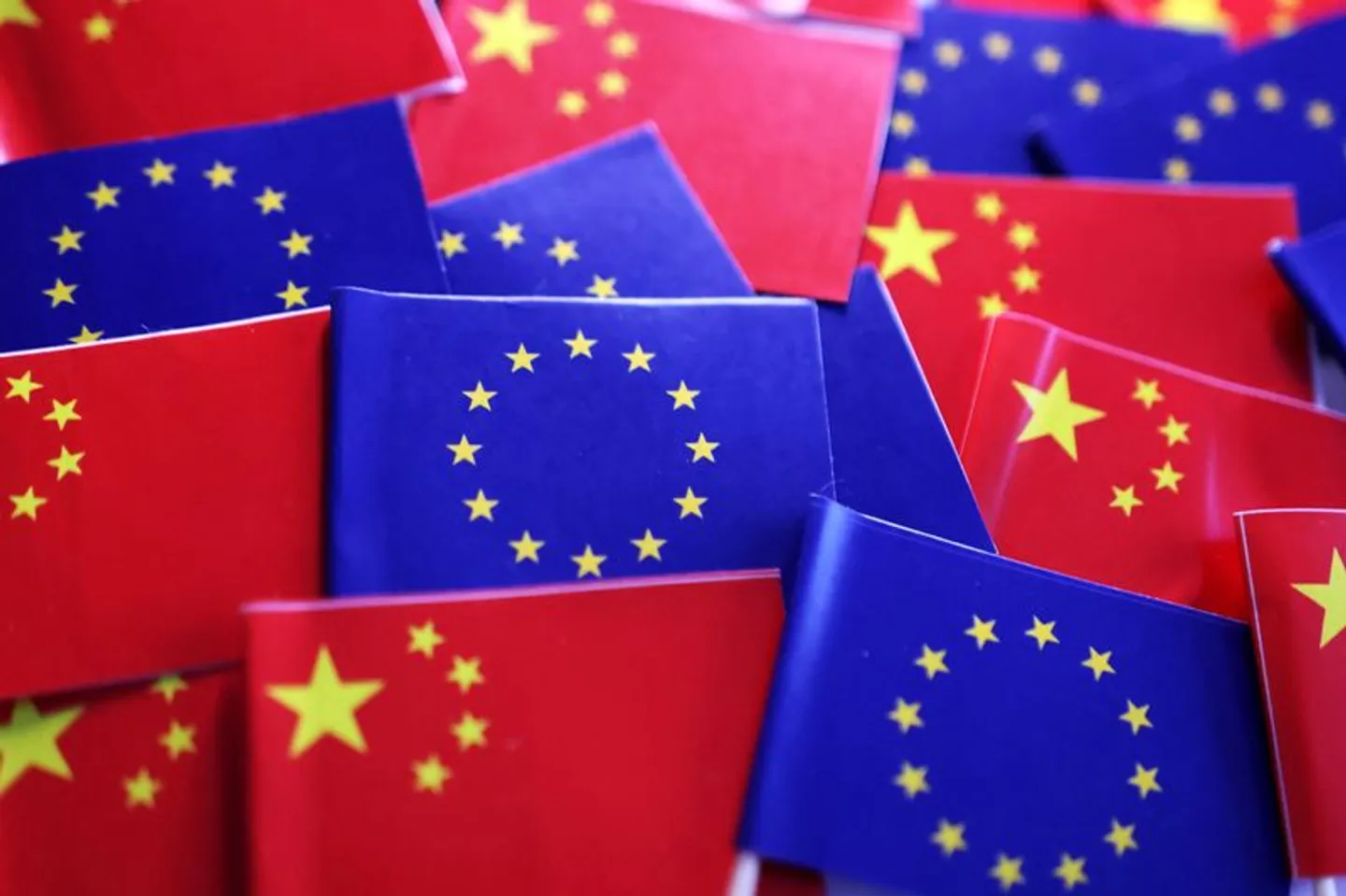
The United States has unveiled proposed tariffs on 14 economies, including the European Union and China, after a months-long probe into alleged excess production, as the EU rejected the premise of new tariffs.
The duties, the latest move by US President Donald Trump to remake Washington's trade relationships, proposed on Wednesday at up to 20 percent, come over allegations that the economies "are promoting production and capacity divorced from the realities of demand and market principles," a senior US official said on condition of anonymity.
The new tariffs face a period of public comment before taking effect, with the official adding that the proposals take existing trade deals into account.
The new levies target some of the largest US trading partners, including China, the European Union, India, Bangladesh, Cambodia, Indonesia, Japan, South Korea, Malaysia, Singapore, Switzerland, Taiwan, Thailand and Vietnam.
The EU said that it rejected the premise of new tariffs on its exports proposed by the United States and expected Washington to stick by a deal struck with Brussels last year.
"We will study the findings," European Commission spokesperson Olof Gill said.
"At the same time we strongly reject the premise that Europe is a source of structural overcapacity. To the contrary, Europe is among those most exposed to overcapacity," he said.
"The EU and the US share a real concern about global overcapacity, much of it state-driven and concentrated in third countries. We regret the lack of joint action," Gill said of the US move.
The Commission would continue engaging with Washington on implementing a tariff deal struck in 2025 to cap Trump's duties on the bloc at 15 percent, he added.
"We expect any measure from this investigation to respect it in full, including when combined with existing duties," Gill said.
China
A 20 percent tariff is being proposed for China, the joint highest for any economy, but US Trade Representative Jamieson Greer said the new levies were within the bounds of existing trade negotiations with Beijing.
"China understands that we're going to have some level of tariffs. This falls within that understanding," he told US broadcaster CNBC on Wednesday, adding that the United States was also offering China exemptions on around $30 billion of goods.
Earlier, however, China's foreign ministry warned Washington not to engage in "tariff wars and trade wars", responding to a question about the new levies, which had not yet been announced at the time.
Vietnam also faces a proposed 20 percent tariff; Cambodia and Indonesia 18 percent; and India 17 percent, according to the USTR's office.
Partners like the EU, Korea and Taiwan, which have signed earlier trade deals, will see tariffs broadly capped at 15 percent.
In a separate announcement, USTR also proposed additional tariffs on goods from Brazil, including aircraft, over alleged inaction on addressing US trade concerns.
The new tariffs could raise temperatures as the US president prepares to host G20 leaders in Miami in December.
"We don't expect this to create tension or rancour" at the G20 summit, the senior US official said.
"We actually expect that we may be signing more agreements at the G20 in the wake of these announcements."