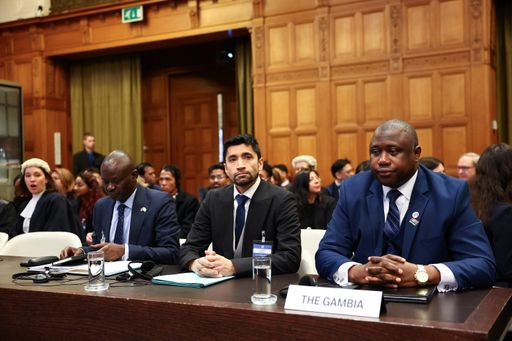
Lawyers and human rights representatives involved in The Gambia’s genocide case against Myanmar at the International Court of Justice (ICJ) said the West African country submitted what they described as the most comprehensive body of genocide evidence ever presented to the court, highlighting the case’s significance for Myanmar and future genocide trials.
The Gambia presented evidence at the ICJ showing that the Myanmar military deliberately targeted Rohingya Muslims and carried out acts of genocide aimed at destroying the minority group.
Myanmar has fully rejected genocide allegations and argued that its military raids were part of counterterrorism efforts.
Arsalan Suleman, who leads The Gambia’s legal team, and Matthew Smith, founder and CEO of Fortify Rights and a member of The Gambia’s delegation, evaluated the hearings, the legal process and the case’s potential impact on other genocide trials.
“The Gambia has presented the most comprehensive collection of genocide evidence ever submitted to the International Court of Justice,” he said.
He stated that the case file includes independent and credible reports from the UN Independent Investigative Mechanism and other UN bodies, witness testimony, expert analysis, satellite imagery, digital forensic evidence and social media posts attributable to the Myanmar military.
The file also includes statements by Myanmar officials, reports from independent civil society organisations, investigative journalism findings and other evidence sources, which he said convincingly demonstrate that the Myanmar military committed genocidal acts against Rohingya Muslims in Rakhine State.
Survivor testimony
Suleman said direct testimony from genocide survivors during some closed sessions could be critically important for helping judges understand the situation.
He said allowing survivors to speak during hearings created deeply emotional moments for those present in the courtroom.
Listening directly to survivors allowed judges to assess the credibility of their testimonies as well as the statements of thousands of other witnesses, he added.
Responding to Myanmar’s argument that the high evidentiary threshold required for proving genocide intent must be preserved, Suleman said The Gambia has provided clear and convincing evidence of Myanmar’s genocidal intent and that the evidence meets the standard established in earlier ICJ rulings, including the Bosnia-Herzegovina and Croatia cases.
He said the evidence convincingly demonstrates that the only reasonable inference from Myanmar’s behaviour before, during and after so-called “clearance operations” against Rohingya communities between 2016 and 2018 is the existence of genocidal intent.
Suleman said every ICJ ruling under the Genocide Convention is important for understanding how the convention is interpreted by the court and that a decision in the Gambia-Myanmar case will guide all future genocide cases.
Genocide evidence
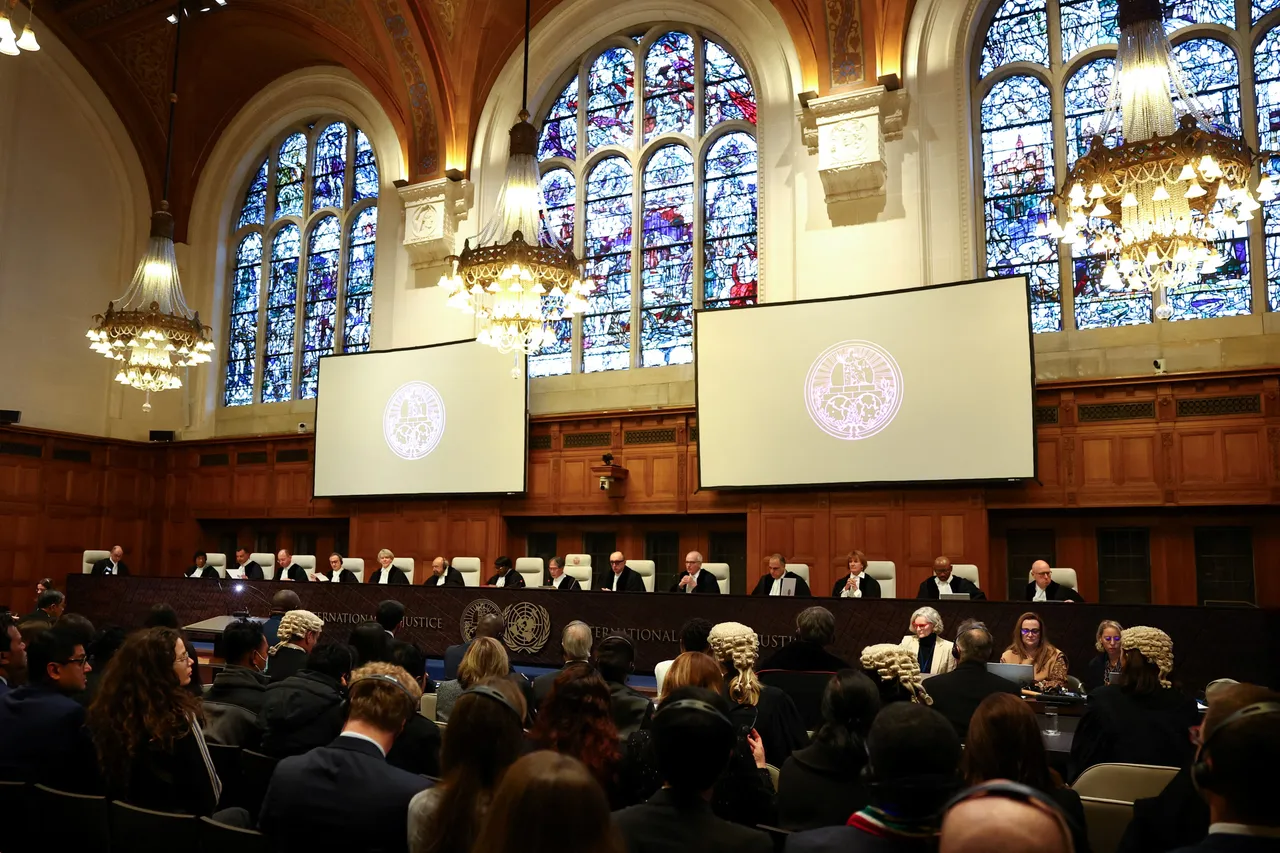
In addition, Smith said one of the most important moments of the three-week hearings was that Myanmar representatives had to sit in court and listen to evidence describing genocide committed against the Rohingya.
“I think it was highly significant that the Myanmar military junta had to sit there and listen to the overwhelming evidence of the atrocity of genocide being perpetrated against the Rohingya people,” he said.
“That alone, from our perspective, was a measure of justice,” he stressed.




Smith said the evidence presented during hearings spoke for itself and was supported by research from numerous organisations and institutions.
He said documentation methods included quantitative surveys, qualitative documentation, eyewitness testimony, survivor testimony, videos, photographs and legal analysis, noting that there is no independent report contradicting findings about atrocities committed against the Rohingya.
Smith also emphasised the importance of judges hearing directly from Rohingya witnesses.
“The fact that judges heard directly from Rohingya people was crucial,” he said, adding that survivor testimony could significantly influence judges’ assessment of the case.
Social media use
Smith said The Gambia’s presentation was strengthened by evidence showing how the Myanmar military used Facebook and other social media platforms during the genocide.
He said an affidavit from a senior Meta executive confirmed the removal of several Facebook pages, including that of Senior General Min Aung Hlaing, for promoting hate and violence against the Rohingya.
“The fact that they took down his Facebook page because it was promoting hate and violence against the Rohingya is highly significant,” Smith explained.
He said evidence shows the military used Facebook over several years through coordinated inauthentic behaviour to influence public opinion about the Rohingya and events in Rakhine State and to encourage violence against the minority.
“The fact that they did this from military institutions, from military laptops, from military-owned accounts, is highly significant,” he said, adding that the case demonstrates how technology can be used both for positive purposes and for committing genocide.
Influential case
Smith said the case could potentially be historic if the ICJ finds a state directly responsible for committing genocide for the first time.
He said the case could influence how the court approaches other genocide-related cases.
“This could be the first time that the International Court of Justice finds a state responsible for committing genocide,” he said.
“It will certainly affect the way in which the court decides with regard to the situation in Gaza and the genocide there… this will certainly play a role in setting some sort of precedent.”
The Gambia filed the case at the ICJ on November 11, 2019, seeking a ruling that Myanmar committed genocide against Rohingya Muslims.
ICJ judges have begun deliberations to deliver a final ruling in the case.