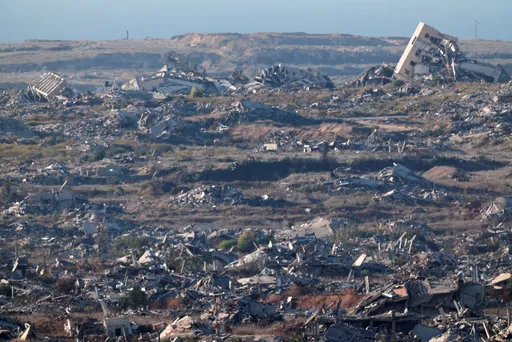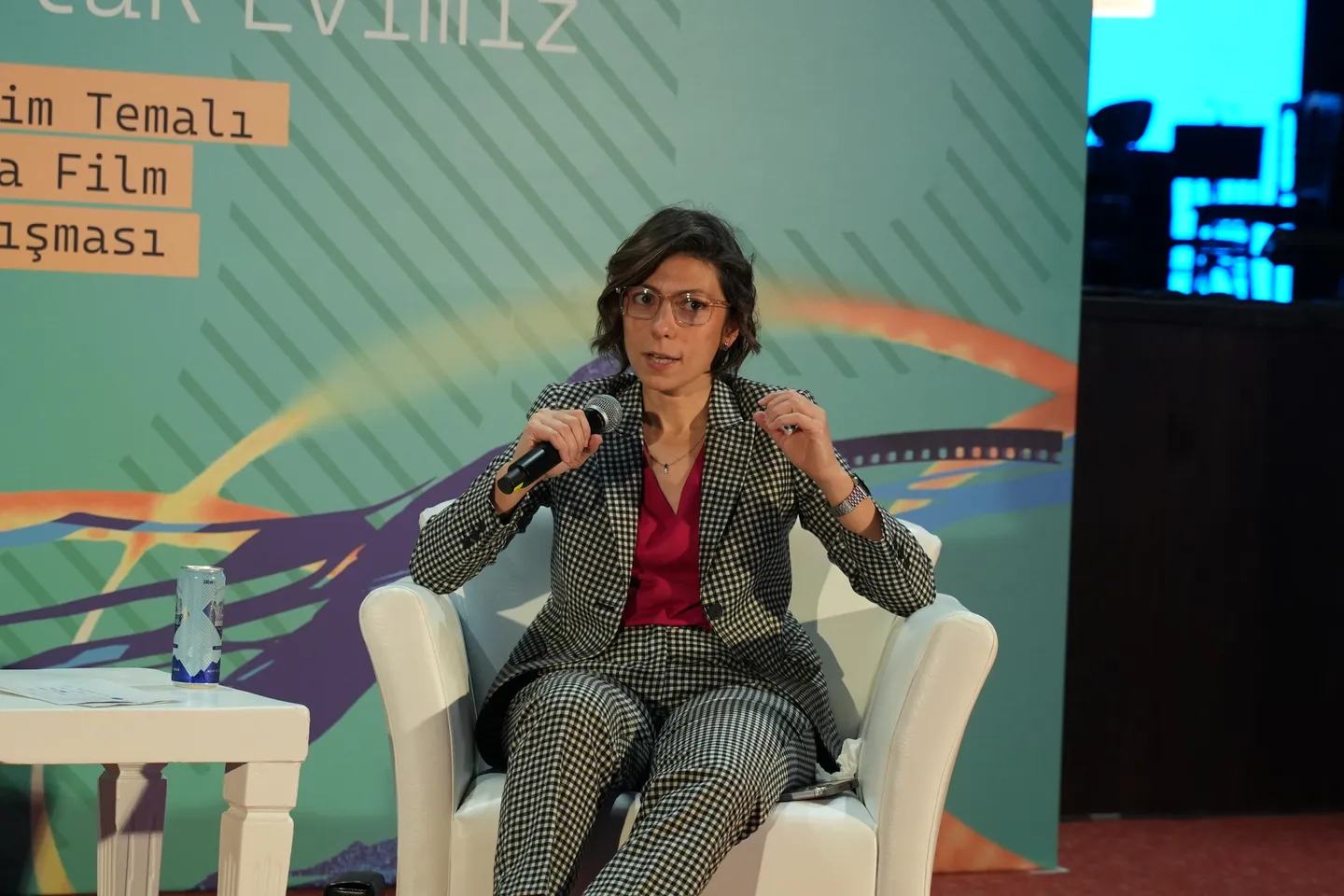
Palestinian filmmaker Darin J Sallam, best known for her internationally acclaimed film Farha, has warned that wars leave lasting damage on people, the environment and cultural heritage, stressing that environmental destruction cannot be separated from human suffering.
Speaking on the sidelines of the COP31 climate summit in Antalya, Türkiye, Sallam said weapons used in conflicts cause long-term damage to water, soil and air, affecting both communities and future generations.
Sallam received the Spirit of Solidarity Award at the Climate Short Film Competition, held on November 14 under the theme "Our World, Our Common Home". The competition attracted 279 film entries from around the world, with 10 selected for the final round. Sallam also served on the jury alongside Turkish filmmakers and artists.
She said cinema played an important role in making the environmental and human consequences of war visible, adding that filmmakers must tell Palestinian stories to resist attempts to erase the country's history and identity.
Sallam said the environmental impact of Israeli occupation extended beyond Gaza and Palestine to southern Lebanon, where agricultural land, soil and communities had also suffered damage.
"You cannot separate environmental damage or destruction from the suffering of people. They are all deeply interconnected," she said.
The filmmaker also highlighted the historical roots of the destruction in Palestine, saying the devastation witnessed in Gaza today did not begin recently but had continued since 1948.
Through Farha, Sallam said she aimed to help international audiences understand the historical background of Palestinian suffering.
She also called on the film industry to adopt more environmentally sustainable production practices, saying climate awareness should be reflected both behind the camera and in the stories filmmakers tell.