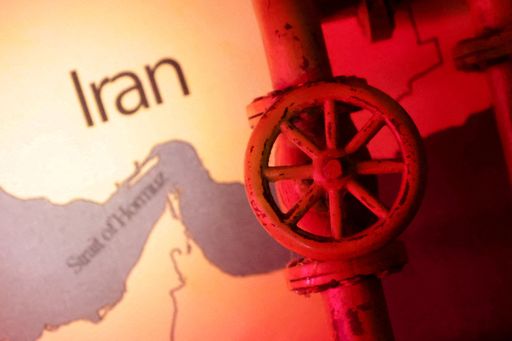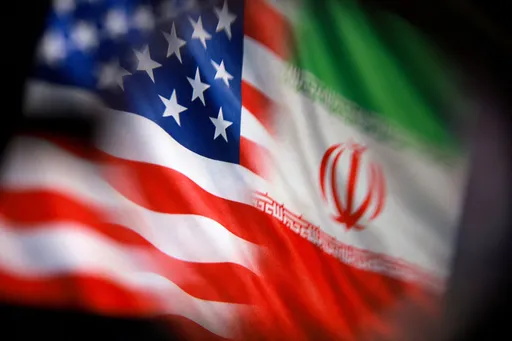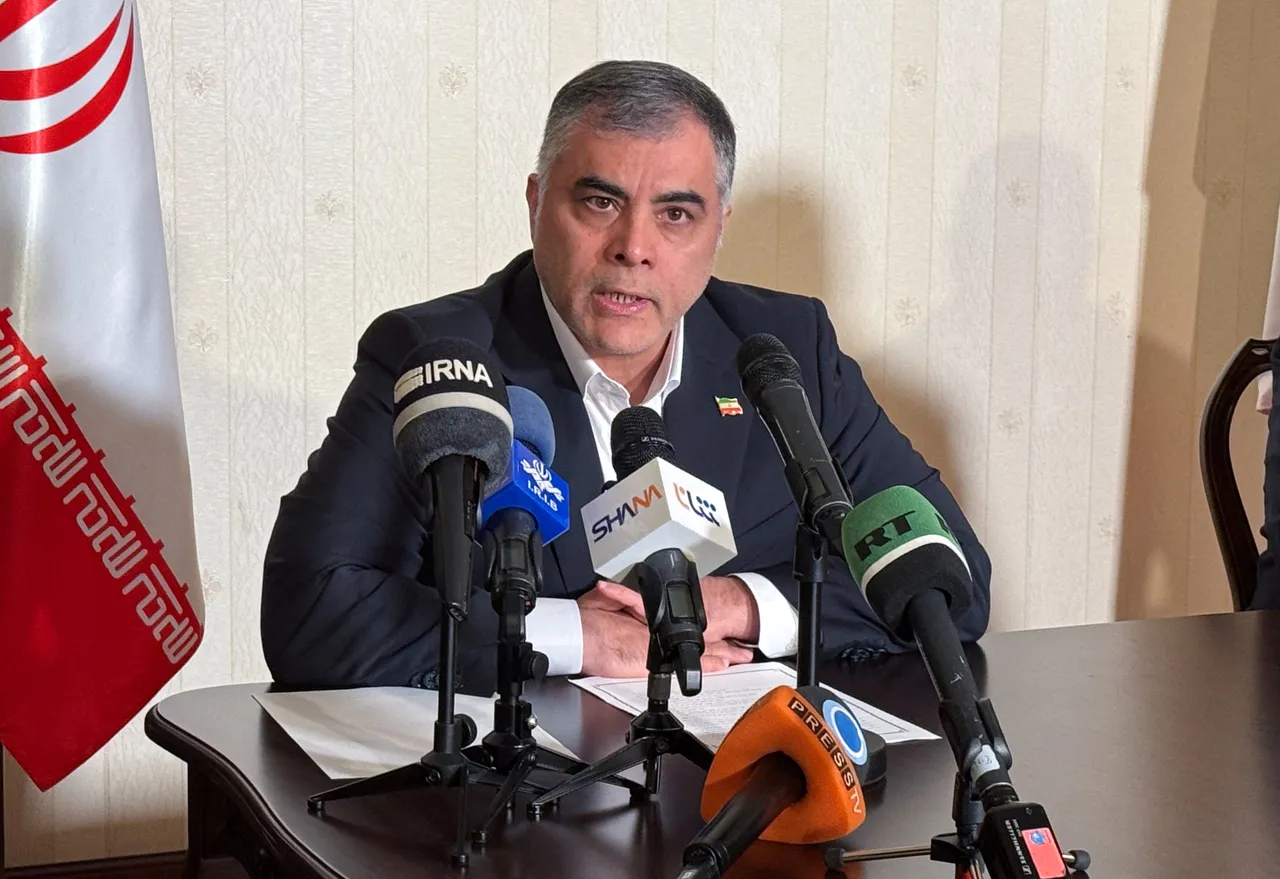
Iran’s oil minister signalled that cooperation with the US in the oil and gas sectors could be possible, marking a rare statement from a government official on the matter.
“Anything is possible,” Mohsen Paknejad said on Friday in comments carried by local media when asked about the prospect of Tehran cooperating with Washington in the energy sector.
He added, however, that it remains uncertain whether such bilateral energy cooperation will operationalise at the moment.
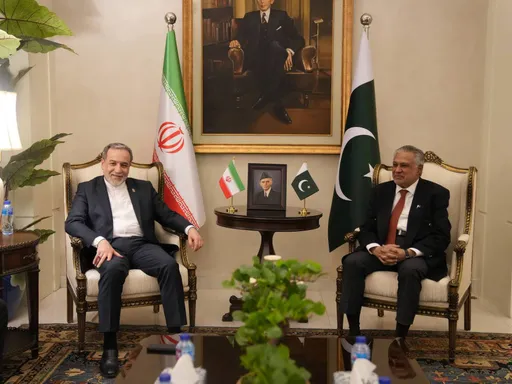
His comments come amid indirect nuclear negotiations between Iran and the US, mediated by Oman. The latest round of talks took place in Geneva on Tuesday, weeks after the first round in Muscat.
Both sides have acknowledged progress on guiding principles and described the discussions as a step forward in resolving the longstanding deadlock over Iran’s nuclear programme.
According to the semi-official Tasnim News Agency, Hamid Ghanbari, deputy foreign minister for economic diplomacy, told a recent meeting at Iran’s Chamber of Commerce that mutual interests in oil and gas, shared energy fields, mining investments, and even aircraft purchases are part of the framework being discussed with the US.
Iran’s oil industry has been heavily sanctioned by the US and European countries, with most exports directed to regional partners, particularly China and Russia.
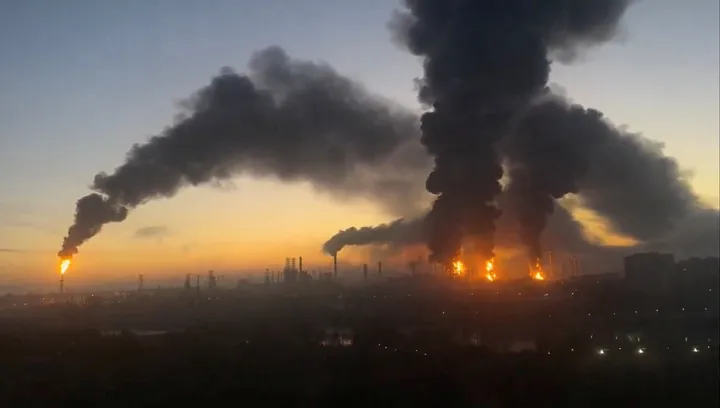

The country holds some of the world’s largest oil and natural gas reserves, with some surveys putting it as the second in gas and third in oil in the world.
Iran and the US have had no formal diplomatic or trade ties since the 1979 Iranian Revolution, which saw the overthrow of the US-backed Pahlavi government and the subsequent takeover of the US Embassy in Tehran.
The roots of tensions over Iran’s energy sector predate the revolution.
In 1951, Prime Minister Mohammad Mossadegh pushed legislation through parliament to nationalise the Anglo-Iranian Oil Company, placing Iran’s oil industry under state control and ending decades of British dominance. The move triggered a major international dispute and economic pressure campaign, and he was overthrown in a 1953 coup backed by the United States and Britain.
Experts, however, caution that the likelihood of Iran and the US establishing energy cooperation for the first time since 1979 remains low, as Oman-mediated talks have yet to resolve the nuclear impasse.
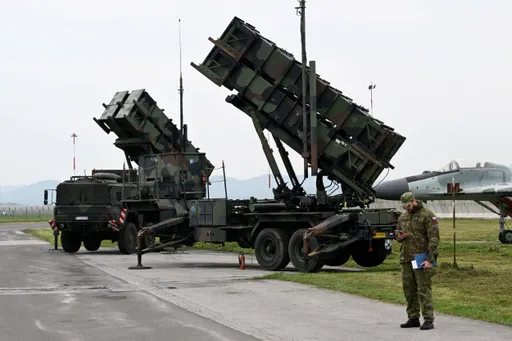
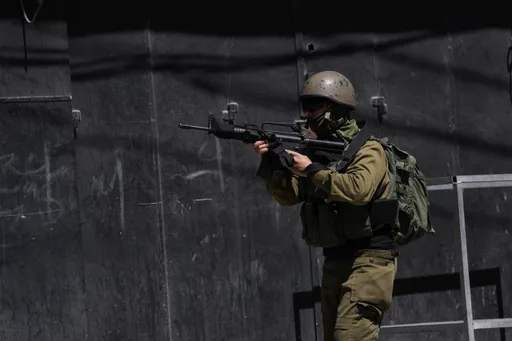
Rising regional tensions, including unprecedented US military buildup and Iranian military drills, continue to cast a shadow over negotiations.