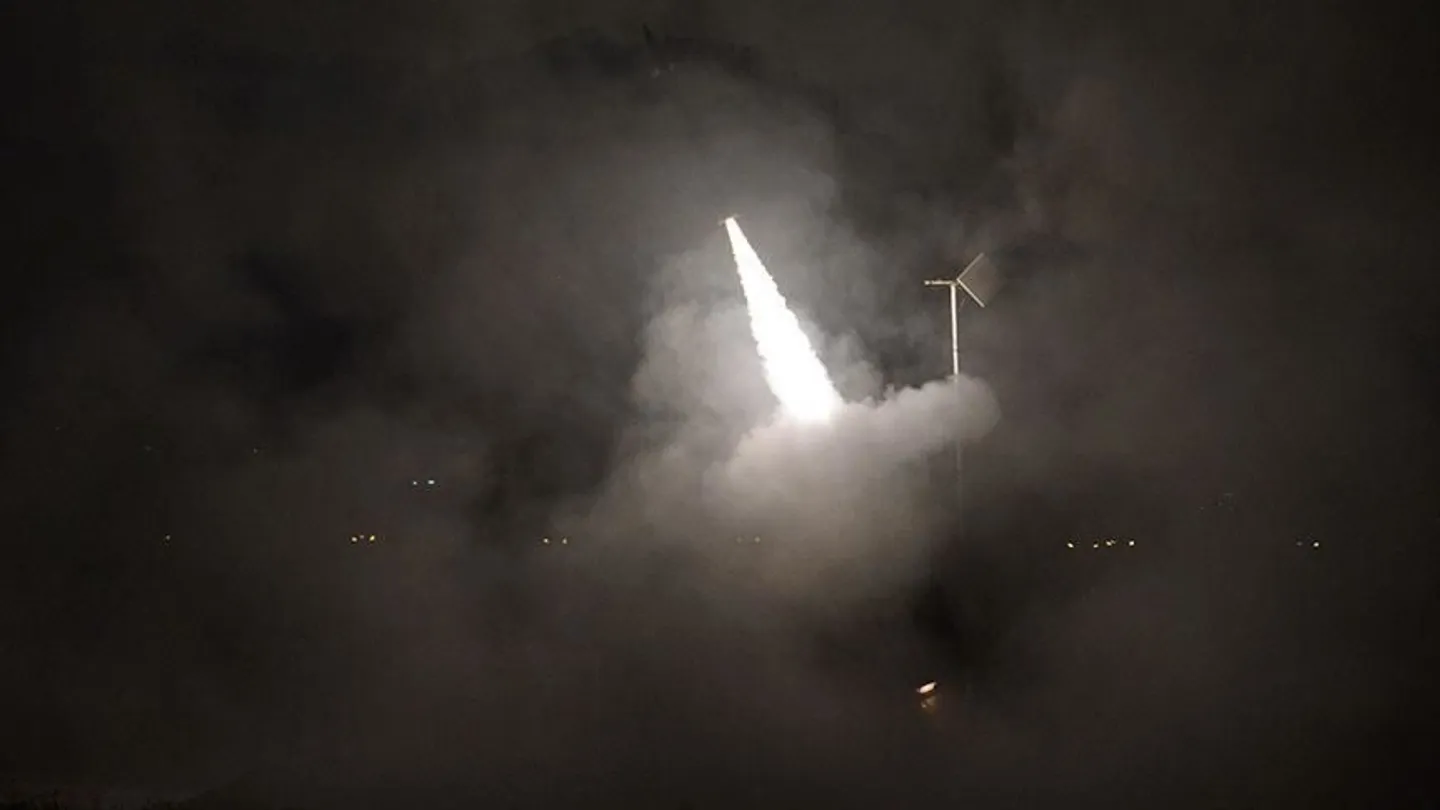
Germany is preparing to activate its first Arrow 3 air defence battery, becoming the first country outside Israel to deploy the long-range ballistic missile interceptor system, German media reported on Wednesday.
Defence Minister Boris Pistorius said the Israeli-built system would provide Germany — and its partners — critical protection against high-altitude ballistic missile threats, marking a major leap in Europe’s defence capabilities.
“This gives us the ability for the first time to provide early warning and protect our population and infrastructure from long-range ballistic missiles,” Pistorius told the German Press Agency (dpa). “With this strategic capability, which is unique among our European partners, we are strengthening our central role in the heart of Europe.”
He added that Germany would be securing not only its own territory but also contributing to the defence of NATO allies.

Europe is ramping up investment in air defence
The Arrow 3, procured under a €3.6 billion ($4.2 billion) agreement with Israel, is designed to intercept missiles at altitudes of up to 100 kilometres—far beyond the capabilities of existing German systems.
Its deployment comes amid rising concern in Berlin over Russia’s missile arsenal and NATO assessments that Europe must dramatically expand its air-defence infrastructure.






The first battery will be stationed at the Schonewalde/Holzdorf air base south of Berlin, with two additional sites planned.
After decades of scaling back air-defence systems following the Cold War, Europe is now ramping up investment.
Germany has also launched the European Sky Shield Initiative (ESSI), a project joined by 23 partner countries to build a continent-wide air-defence architecture.
Arms deals with Israel have drawn criticism around the world since the country launched its genocidal war on Gaza in October 2023.
In September Spain annulled hundreds of millions of dollars worth of orders for battlefield weapons made by Israeli companies.
Germany has also been one of the main exporters of arms to Israel. Under global criticism, it briefly halted exports in August but resumed them again in November, citing the October ceasefire deal between Israel and Hamas.