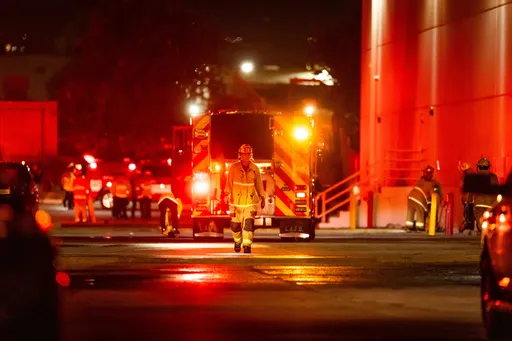
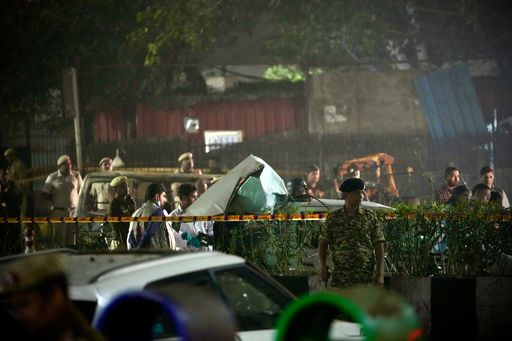
In the wake of Monday evening’s blast near the historic Red Fort in New Delhi that killed at least 12 people and injured many more, major Muslim organisations in India have expressed deep concern over both the security failures and the media narrative surrounding the incident.
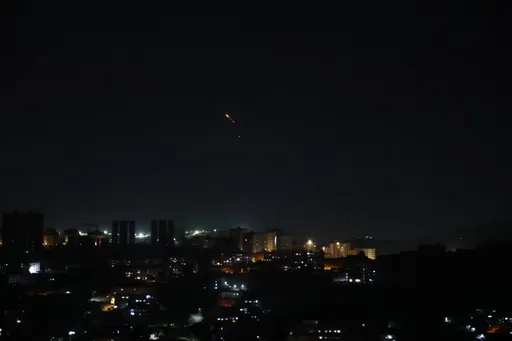
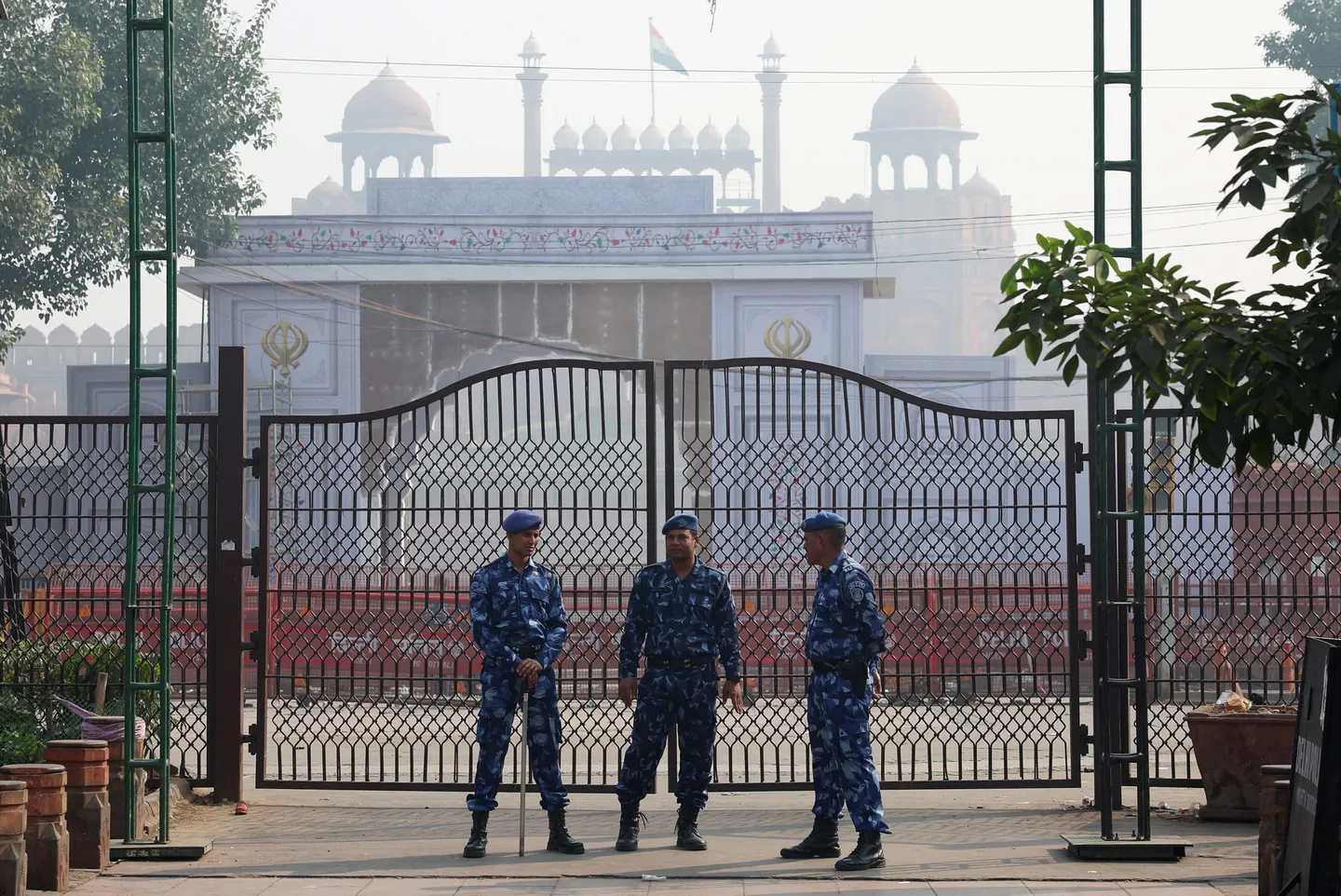
The explosion occurred close to the Red Fort in the crowded Old Delhi quarter of the city, one of India's most well-known landmarks, and the site of the annual prime minister's Independence Day speech.
While the precise cause of the blast remains under investigation, initial media reports suggest it “may have been an act of terror”.
Prime Minister Narendra Modi has called the explosion a "conspiracy" and vowed that those responsible will face justice.
Modi’s Hindu nationalist Bhartiya Janata Party (BJP) faces accusations of marginalising India’s Muslim population. BJP leaders, including Modi, have for years targeted Muslims to gain the support of the right-wing Hindu voters.
While investigations into the New Delhi blast are ongoing, major Muslim organisations have voiced concerns about how a section of the Indian media was blaming Muslims without any evidence.
A key Muslim organisation, Jamaat‑e‑Islami Hind (JIH), emphasised unity in a time of crisis, warning against ideological or political actors exploiting the incident to fuel tensions between India’s different communities.
“In hours of crisis, we need unity and solidarity among citizens more than ever. Those who use such despicable incidents for their ideological or political gains must be called out,” JIH President Syed Sadatullah Husaini said in a statement.
He called for a “transparent, high‑level investigation” and demanded immediate accountability for security lapses.




The JIH statement warned against premature assignment of blame and criticised “irresponsible behaviour of certain sections of the media and social media users for spreading misinformation and communal narratives.”
"Terrorism can not be the expression of any religion, it is its betrayal. Every violent act, under any banner, deserves the same unequivocal condemnation. Let people of all beliefs unite now to counter radicalisation, to reject hate, and to work together to uproot the causes and networks of terror,” the JIH president said.
Senior figures of Muslim organisations also pointed out that “fake fronts misleading people with their radicalisation agenda” are being used to implicate or stigmatise mainstream Muslim groups.
The All India Muslim Personal Law Board (AIMPLB), too, urged that any probe should be “comprehensive, unbiased and multi‑dimensional.”
AIMPLB President Maulana Khalid Saifullah Rahmani expressed serious concern over the explosion and said that if it was an act of terrorism, it is “deeply alarming” and raises “serious questions about the effectiveness of the country's security apparatus”.
He also expressed solidarity with the bereaved families and prayed for an early recovery of the injured.
This was the most significant security incident in India since April 22, when 26 mainly Hindu civilians were killed at the tourist site of Pahalgam in Indian-administered Kashmir, triggering clashes with Pakistan.