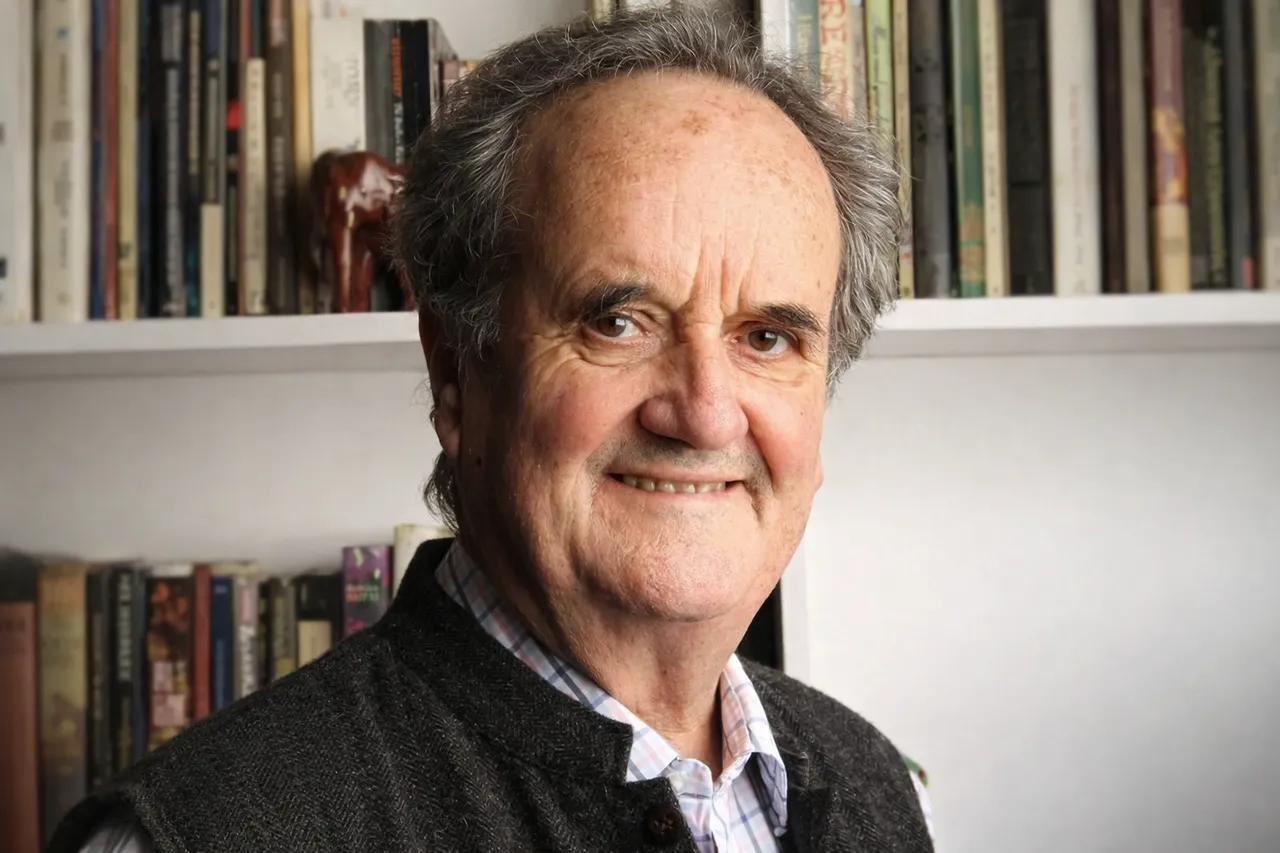
Veteran journalist Mark Tully, known to millions as the "voice of India" for covering defining moments across the subcontinent, died on Sunday aged 90, the BBC said.
Born in India in 1935 under British rule, he made the country his home and his career, becoming arguably the best-known foreign correspondent there.
"Sir Mark opened India to the world through his reporting, bringing the vibrancy and diversity of the country to audiences in the UK and around the world," BBC News interim chief Jonathan Munro said in a statement.
Tully, who died in New Delhi, reported on major turning points in South Asian history, including the 1971 India-Pakistan war that led to the formation of Bangladesh, the demolition of the Mughal-era Babri mosque in India’s Uttar Pradesh state, the human cost of conflict in India-administered Kashmir and the assassination of Indian Prime Minister Rajiv Gandhi.
Surviving mobs
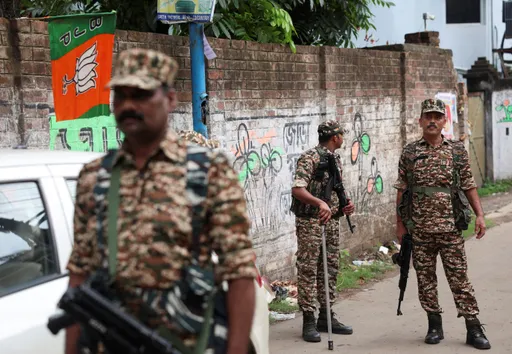
The sixteenth-century Babri mosque in Ayodhya was torn down by Hindu mobs in 1992, led by activists from the now-ruling Bharatiya Janata Party (BJP), who claimed the mosque had been built on the site of an ancient Hindu temple.
A Hindu mob attacked journalists covering the event, one of the most dramatic episodes in modern Indian history.
As the mob smashed photo and television equipment, it chanted Tully’s name; the then BBC bureau chief for India and South Asia narrowly avoided being assaulted.





He took refuge in a small temple, where he remained locked inside until his colleagues secured his release and escorted him to safety.
Tully studied theology at Cambridge University before joining a seminary.
But he returned to India in 1965, joining the BBC in New Delhi as an office administrator.
After a brief stint at the BBC's Hindi and World Service in London, he was appointed the public broadcaster's correspondent in New Delhi in 1971.
Tully was named bureau chief a few years later, overseeing coverage of South Asia, including India, Pakistan, Bangladesh and Sri Lanka, a position he held for two decades.
He resigned from the BBC in 1994 after criticising the then director general John Birt, denouncing the "revolution" taking place at the corporation, beginning with a "sweeping attack on the BBC's journalism".
Britain also knighted him for his services to broadcasting and journalism in 2002.