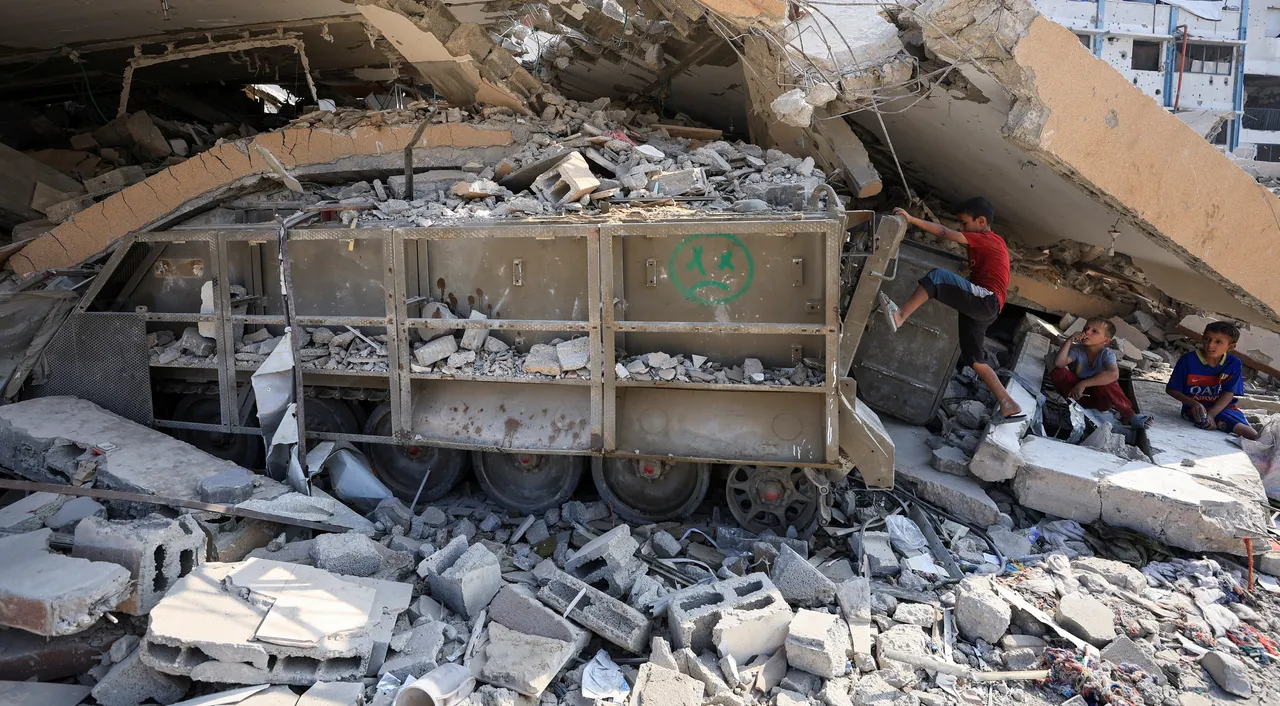
In the weeks before the Gaza ceasefire on October 10, Israel widely deployed a new weapon: M113 Armoured Personnel Carriers repurposed to carry between 1 and 3 tonnes of explosives, Reuters found.
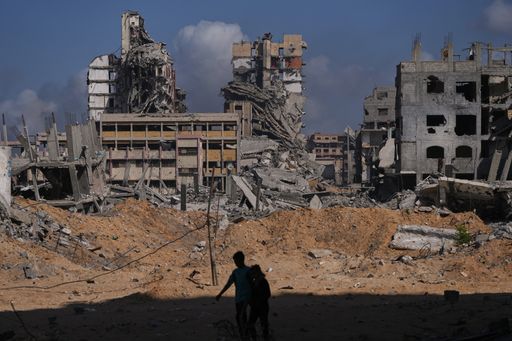
As Israeli troops pushed towards the centre of Gaza City, these powerful bombs, along with air strikes and armour-plated bulldozers, leveled swathes of buildings, drone footage and satellite images show.
In most cases, but not all, the inhabitants fled ahead of demolitions after Israeli warnings, residents, Israeli security sources and Gaza authorities said.
Hesham Mohammad Badawi’s five-storey home on Dawla Street in the affluent Tel-al-Hawa suburb, damaged by an air strike earlier in the war, was completely destroyed by an APC explosion on September 14, he and a relative said, leaving him and 41 family members homeless.
Neighbourhood unrecognisable
Badawi, who was a few hundred metres away, said he heard at least five APCs detonate in roughly five-minute intervals. He said he received no evacuation warning before the demolition and family members escaped “by a miracle” amid explosions and heavy gunfire.
Satellite images show multiple buildings in the same block were demolished, leaving Badawi’s family scattered among relatives while he lives in a tent near his destroyed home.
When Reuters visited the site, debris from at least one APC lay among the rubble, as Badawi said the blasts left the neighbourhood unrecognisable.
To document the use of APC-based bombs in Tel-al-Hawa and nearby Sabra before the ceasefire, Reuters interviewed Israeli security sources, military experts and Gaza residents, with footage analysis confirming at least two APC detonations.
Experts said the vehicles were packed with 1–3 tonnes of explosives, producing blasts comparable to large aerial bombs capable of scattering debris hundreds of metres and collapsing multi-storey buildings.
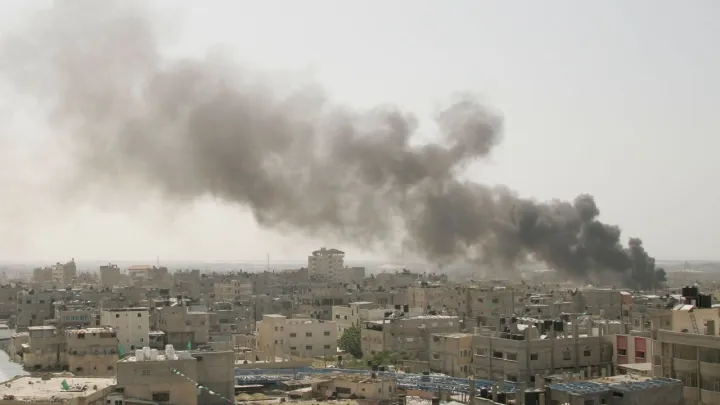
Highly unusual
Military experts told Reuters that using APCs as bombs is highly unusual and risks severe civilian damage, while Israel’s military claimed its actions followed the rules of war and were driven by military necessity.
Hamas accused Israel of using such demolitions to displace residents, a claim Israel denies.
The analysis shows the tactic became widespread amid shortages of heavy bombs and bulldozers, leaving once-bustling neighbourhoods like Tel-al-Hawa and Sabra in ruins, with about 650 buildings destroyed in six weeks.
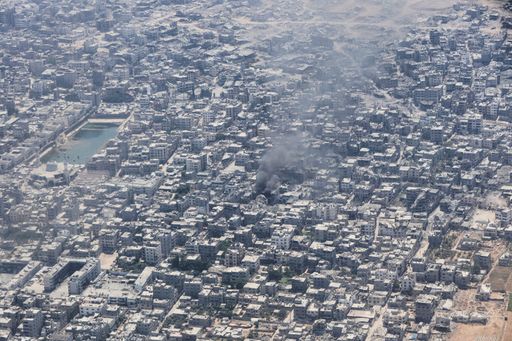
Military necessity?
Israeli Prime Minister Benjamin Netanyahu claimed APC explosives were used to neutralise alleged Hamas booby traps, a claim the Palestinian resistance group denies, saying it lacks the capacity to rig buildings on such a scale.
International law experts and the UN human rights office said the use of large explosives in densely populated areas of Gaza may violate humanitarian law, warning that claims of booby-trapped buildings do not justify widespread destruction without clear military necessity.

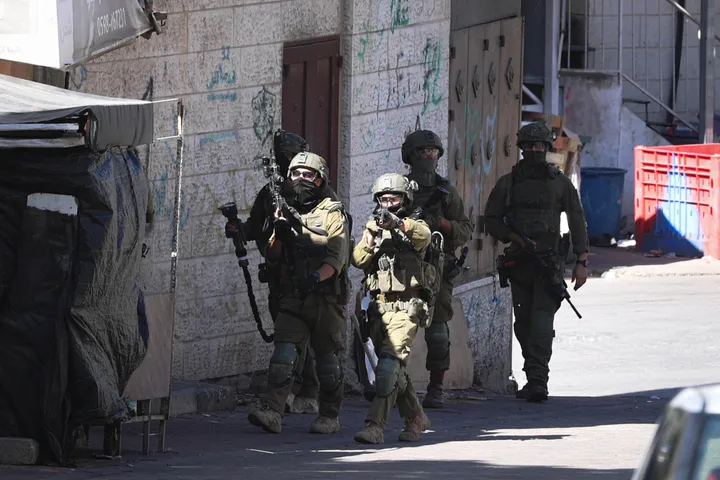



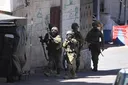


Israel’s military did not provide evidence that the targeted structures were used for military purposes.
The UN says 81 percent of Gaza’s buildings have been damaged or destroyed, with Gaza City among the hardest hit.
Forces enter Gaza City
Israeli forces entered Gaza City in late August, saying the aim was to defeat Hamas and free hostages taken on October 7 2023, later ordering a full evacuation of the city.
As troops advanced with tanks and air strikes, large parts of eastern and central Gaza City were devastated, forcing hundreds of thousands to flee south, while the UN estimated up to 700,000 people remained.
Israel said it demolished dozens of buildings it claimed were linked to Hamas, including 25 towers, though the UN says no evidence was provided.
Reuters documented widespread destruction in neighbourhoods such as Sabra and Tel-al-Hawa, including universities, mosques and human rights offices, while Gaza’s Civil Defence said hundreds of APCs were detonated before the ceasefire, a figure Israel did not confirm.
Badawi’s house
Among the buildings destroyed was Badawi’s family home of four decades, along with more than 20 neighbouring buildings in the same period.
“We didn’t recognise this as our house," he said.
Two military experts said Reuters footage of the area showed remains of at least one detonated APC.
A retired British bomb disposal officer said an APC blast ripped off a caterpillar track and hurled it onto a multi-storey roof, highlighting the explosion’s force.
Another expert said the scattered metal fragments were consistent with a detonation inside the APC using a large, low-energy explosive.
Paused deliveries
The first reports of APC detonations in Gaza emerged in mid-2024, with use accelerating after the US paused deliveries of heavy Mark-84 bombs over civilian harm concerns.
The expanded use of APC-based bombs coincided with shortages of Caterpillar’s D9 bulldozers, long used by Israel for demolitions but heavily targeted by Hamas earlier in the war, damaging vehicles and killing or injuring soldiers, security sources said.
The US paused D9 sales in November 2024 over concerns about their use in destroying homes, before transfers later resumed, prompting Israel to rely more on alternative demolition methods, including APCs.