The United Nations Human Rights Council has passed a motion extending an independent probe into human rights abuses in Iran and calling for an urgent inquiry into the violent crackdown by authorities on protesters.
Cuba, Pakistan, Egypt and China voiced opposition to the proposal and prompted a vote on Friday. Twenty-five states voted in favour, seven voted against, and 14 abstained.
Ahead of the vote, the UN rights chief urged Iran to end its "brutal repression" of protests.
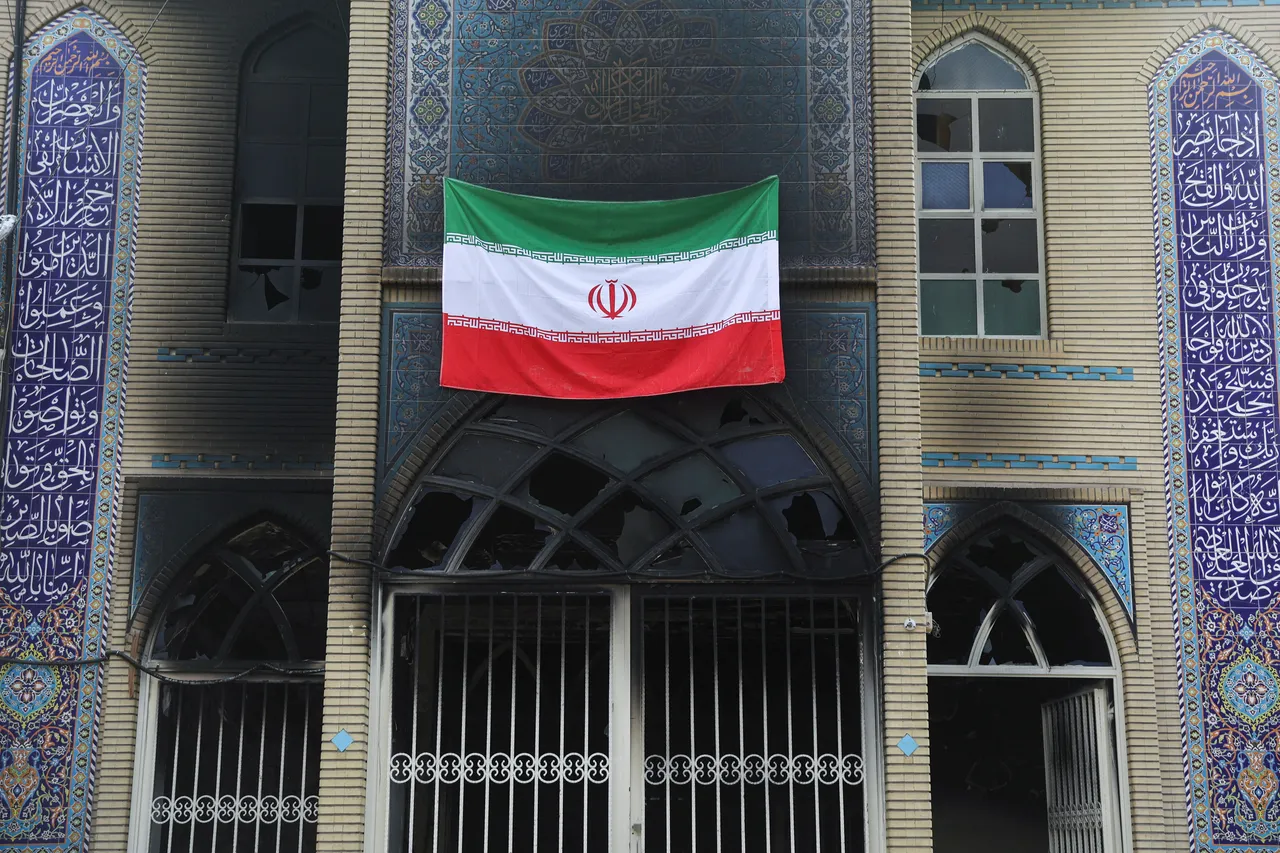
Rights groups say thousands of people, including bystanders, were killed during the unrest, which they describe as the biggest crackdown since the 1979 revolution.
"I call on the Iranian authorities to reconsider, to pull back, and to end their brutal repression," High Commissioner Volker Turk told the council meeting in Geneva, voicing concerns for those detained in mass arrests.
Iranian authorities have blamed the unrest and deaths on "terrorists and rioters" backed by exiled opponents and foreign adversaries, the United States and Israel.
At least 50 countries backed the call for Friday's special session of the Geneva body initiated by states including Iceland, Germany and Britain. Ghana and France were among the many countries to voice concern about Iran's crackdown.
"This is the worst mass murder in the contemporary history of Iran," Payam Akhavan, a former UN prosecutor of Iranian-Canadian nationality, told the meeting.
He called for a "Nuremberg moment", referring to the international criminal trials of Nazi leaders following World War Two.
But Iran's ambassador to the United Nations in Geneva, Ali Bahreini, told the Council its emergency session was invalid.
"The Islamic Republic of Iran does not recognise the legitimacy or validity of this special session and its subsequent resolution," Bahreini said, as he reiterated Iran's tally that some 3,000 people had been killed in the unrest.
However, Western diplomats expect the session later on Friday to easily approve a proposal to extend by two years the mandate of a UN investigation set up in 2022 after a previous wave of protests.
The proposal also calls for an urgent investigation into crimes linked to the latest unrest that began on December 28, "for potential future legal proceedings".
However, it was not clear who would cover the costs of the extension amid a UN funding crisis that has stalled other probes.