The EU has proposed taxing the world's biggest digital companies to help fund its next long-term budget, as it seeks to overcome divisions among member states over the bloc's spending plans.
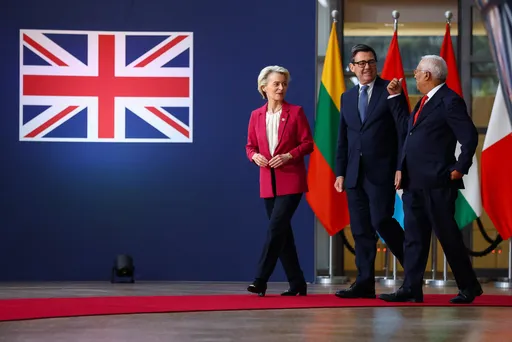
European Council President Antonio Costa presented a revised proposal on Saturday, cutting 204 billion euros ($224 billion) from the European Commission's initial plan.
“I believe this proposal can bring us closer to a final agreement,” Costa told a news conference in Brussels.
EU countries have been divided over the size of the 2028-2034 budget, with Germany leading calls for substantial cuts. Berlin had criticised the Commission's initial two-trillion-euro proposal and a revised plan published last month.
‘New revenue sources’
Costa aims to secure an agreement by December, balancing national contributions with new revenue sources.
Under the latest draft, companies with annual EU turnover of at least 50 million euros ($54.8 million) from digital activities and global turnover exceeding 750 million euros ($822 million) would face a levy of 3 percent on net revenue from online advertising, digital intermediation services and user-generated data.
Costa said the measure was not directed at any particular company or country. However, it could draw criticism from US President Donald Trump, whose administration has objected to EU action against major technology companies.
The proposal also includes levies on electronic waste and higher tobacco taxes. The EU will explore taxing crypto assets and raising revenue through radio spectrum auctions. The council estimates that these new sources could generate around 60 billion euros ($65.8 billion) annually.

Member states remain divided
The draft is expected to dominate talks when EU leaders meet in Brussels next week. Costa is pushing for an agreement in December, amid concerns that negotiations could spill into an election year in 2027.
Even if member states reach a deal, they will still need to negotiate with the European Parliament.
Budget lawmaker Siegfried Muresan called Costa's proposal “simply unacceptable”, arguing that the bloc needed more resources to address its growing challenges.
Germany and five other so-called “frugal” countries, including Sweden, want further cuts.
Sweden’s Europe Minister Jessica Rosencrantz said the budget remained too large and that the bloc was still far from a compromise.
France, meanwhile, argues that the EU needs sufficient funding to meet its growing challenges.
A group of 17 southern, central and eastern European countries known as the “Friends of Cohesion” is pushing for greater support for agriculture and regional development.