One year ago, US President Donald Trump declared the war in Gaza over. Twelve months on, Palestinians are still being killed, Israeli troops are still occupying huge areas of the enclave, and families are still queueing for hours for a single meal.
Here is where the October 10, 2025 ceasefire stands.
Israel got its captives, and Gaza got no peace
Three days after the deal was announced, the Palestinian resistance group Hamas released the 20 remaining living captives, delivering the first and most immediate demand of the agreement.
Gaza has also stayed silent for a full year. Not a single rocket has been fired from the Palestinian side since the truce took effect. Palestine has held to the terms it could meet on the ground, while Israel has kept up near-daily strikes and violated the ceasefire with little consequence.
The US military set up a command post with allies near the border to monitor the truce. A year on, the monitoring has produced no accountability, and no one has stopped Israel from attacking.
A 'ceasefire' that kills nearly every day
Israel said it has scaled back its attacks. The Palestinians under its bombs would struggle to recognise the claim.
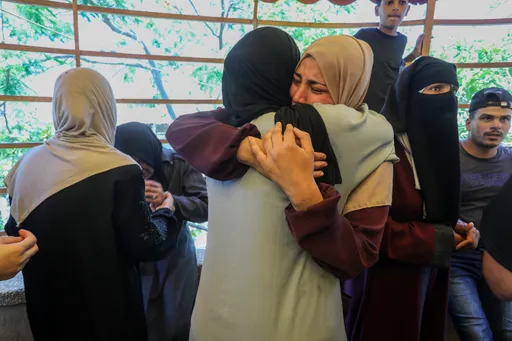
Israeli strikes have killed some 1,450 Palestinians since the truce began, according to Gaza's health ministry, whose figures the United Nations considers accurate. That is a death toll of a war, recorded during what was supposed to be peace.
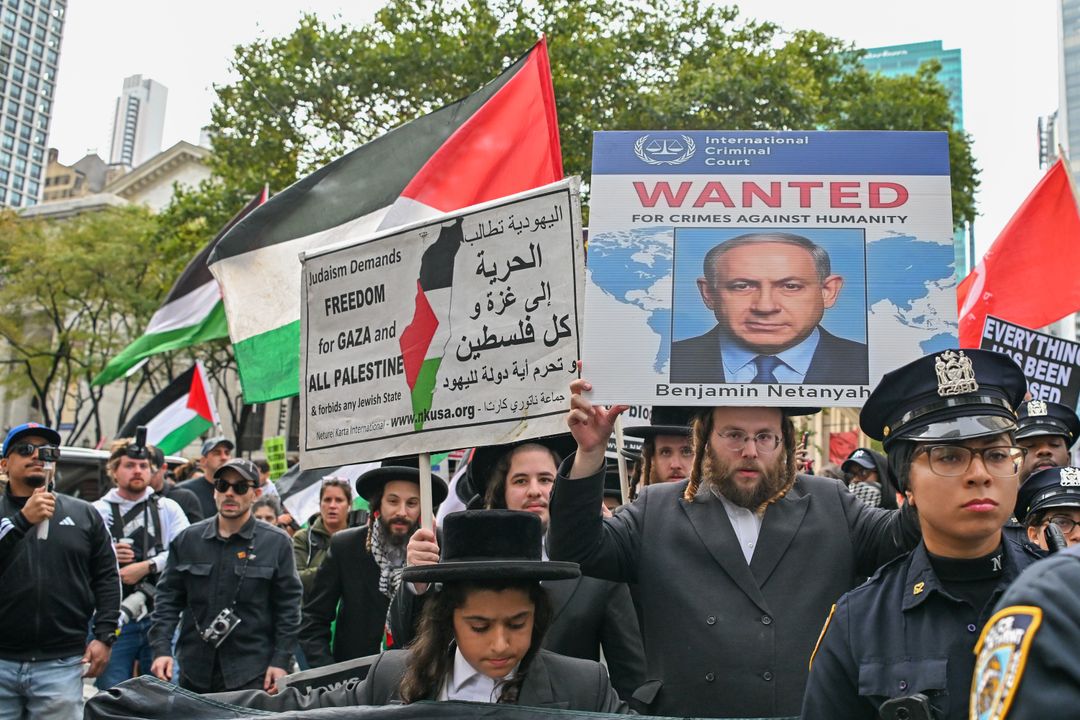
Prime Minister Benjamin Netanyahu, locked in a tight election race, is wanted by the International Criminal Court on charges of war crimes and crimes against humanity in Gaza. Yet he has vowed to kill everyone involved in the October 7 attack.
On the anniversary he boasted that 4,000 of 6,000 Hamas members had been killed. His war has killed more than 73,600 Palestinians since October 2023, in a brutal war that rights groups and UN officials have described as genocidal.
A leader who campaigns on killing, and who is accused of war crimes, is not committed to a ceasefire.
Occupying 70 percent of the Palestinian enclave
Under the terms of the truce, Israeli forces were allowed to remain in 53 percent of Gaza. A year later, official accounts show they control about 70 percent.
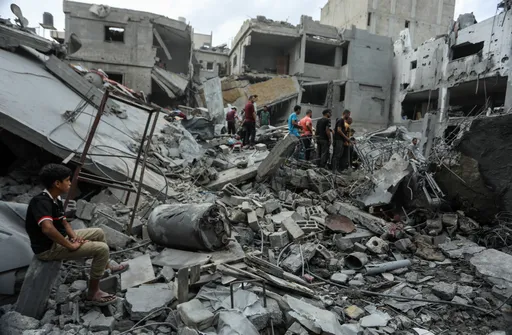
That means the occupier has not withdrawn. It has advanced beyond the lines it agreed to, swallowing more of a territory already reduced to rubble.
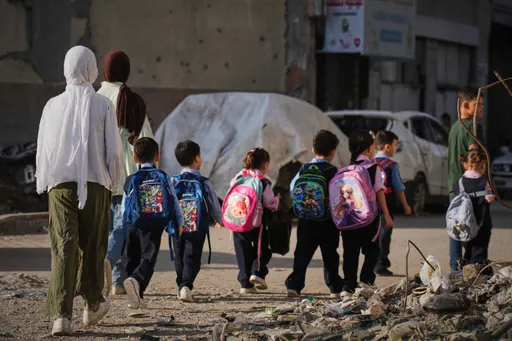
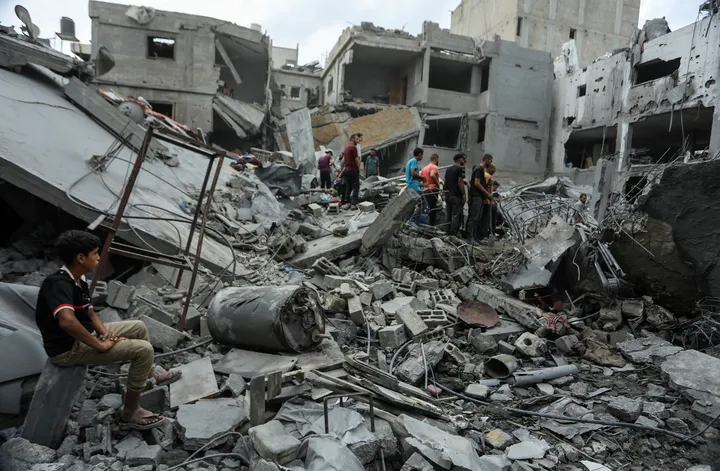
Almost every building in Gaza was damaged or destroyed by Israel's near-constant bombardment, and the people who lived in them have nowhere to return to.
Disarmament pretext
The deal's second phase promised a political transition away from Hamas. Technocrat Ali Shaath was named to head the new National Committee for the Administration of Gaza, and Hamas said in July it was dissolving its governing body and handing over administration.

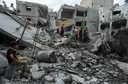
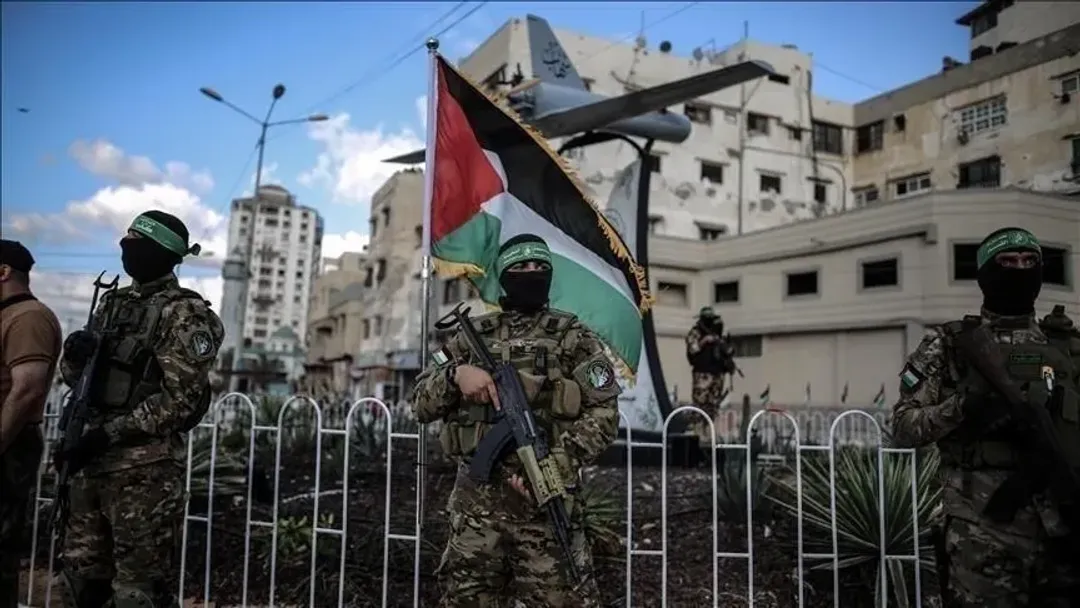
Hamas still runs security through civilian police in the limited areas of Gaza not under Israeli occupation. The resistance group announced it would give up its weapons and, according to Nikolay Mladenov, the Gaza Peace Board's high representative, agreed to transfer civilian and security authority to a UN-recognised transitional administration. But it has not yet disarmed.
The handover depends on that administration being able to function, and it cannot do so while Israel bars Palestinian technocrats from entering Gaza and the promised international security forces have yet to deploy.
With no functioning body to receive its weapons, Hamas's armed wing has refused to disarm until the next phase of the Gaza ceasefire is implemented. Netanyahu rejects this and demands verifiable decommissioning of all weapons, down to individual guns, before Israel withdraws.
Whatever the failings of the transition, Israel has used them as a pretext. It has refused to reciprocate with any withdrawal, turning a phased deal into a one-sided demand and holding territory hostage to conditions it keeps raising.
Reconstruction: big promises, no money
Trump created a "Board of Peace" and recruited former British prime minister Tony Blair and Bulgarian diplomat Nickolay Mladenov as key figures. In January, he promised $10 billion in US funding to a board he controls, and Gulf allies pledged more.
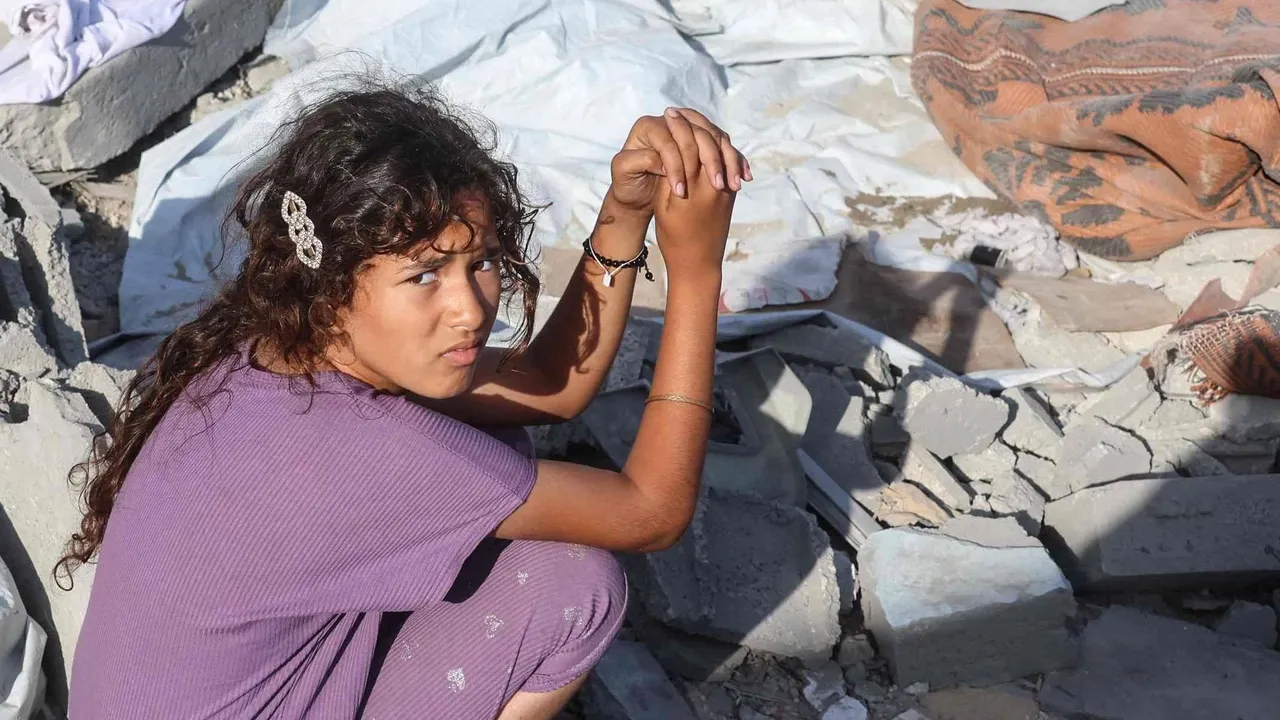
No money is known to have reached Gaza reconstruction. In September, the board proposed a $2.45 billion recovery plan, to span six months. For now it remains a slide in a presentation, while two million people live among ruins.
The human cost: hunger that never left
Behind the diplomacy are people like Niyaha al-Masri, a 35-year-old mother of eight in Khan Yunis. Every day she spends six hours or more queueing at a community kitchen, because without it her family would have "nothing at all". Her husband was wounded in both legs by an air strike. The family of 10 lives in a tent and eats one meal a day.
In August 2025, the UN-backed IPC declared famine in Gaza. The UN lifted the declaration in December after two months of improved supplies.
The World Food Programme’s Shaun Hughes says the situation is still "extremely serious", with 1.4 million of Gaza's roughly 2.1 million people acutely food insecure and 200,000 of them one step below famine.
Nutrition is failing, too. Medecins du Monde found that 93 percent of pregnant or breastfeeding women showed symptoms of anaemia, and only 17 percent had a varied enough diet. Hughes warned that repeated acute malnutrition in children is something people "just don't recover from".
Masri's children dream of fruit and spend their days gathering scraps of nylon and cardboard to patch their tent. "I swear to God, this isn't normal," she said.
A ceasefire in name only
The truce did what Israel wanted: its captives came home and its border fell quiet. For Palestinians, it has brought continued killing, shrinking land, hunger and an empty promise of rebuilding.
A year on, Israel has yet to withdraw from Gaza, and no one has been held to account for breaking the terms it signed.