 Esra Karataş Alpay
Türkiye and Nigeria this week signed an agreement on increasing military collaboration, marking a strategic recalibration of Abuja’s long-drawn battle against terrorism pulverising parts of the African nation.
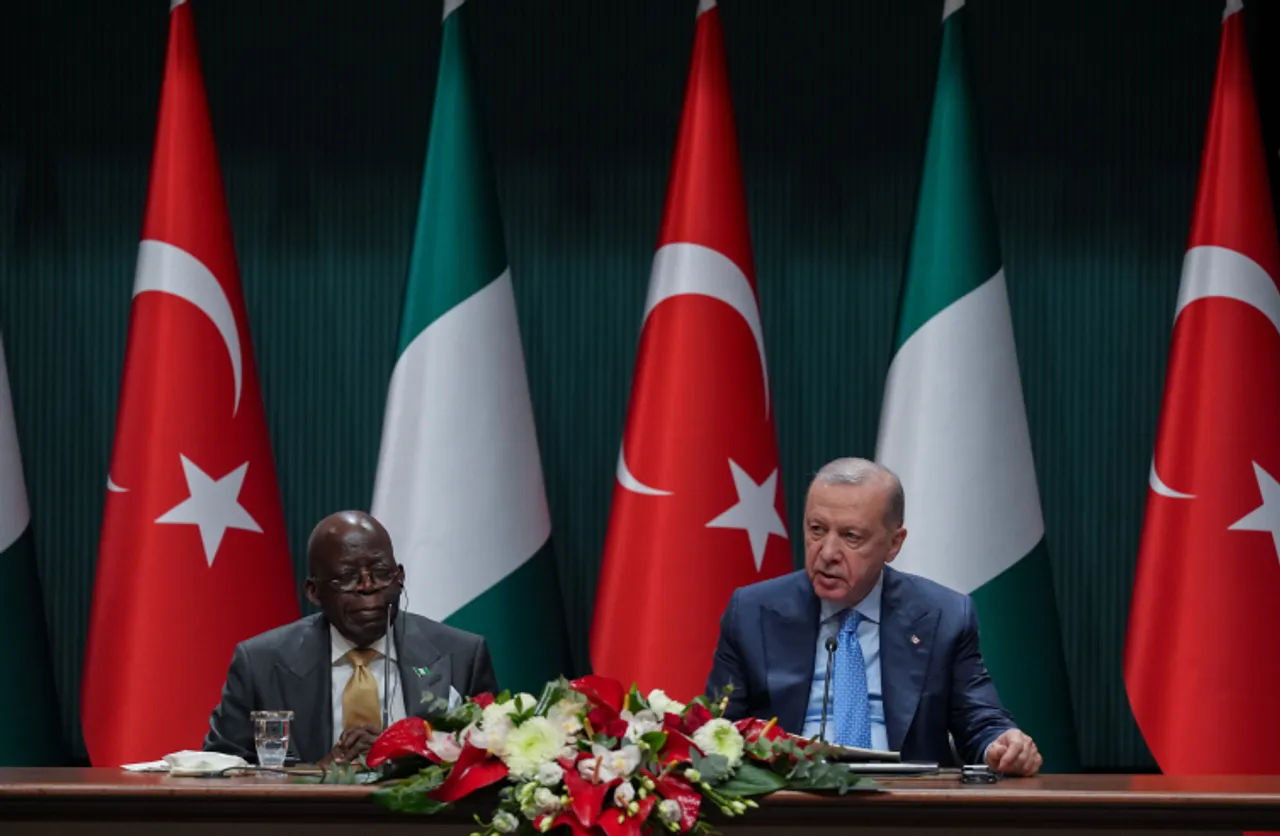
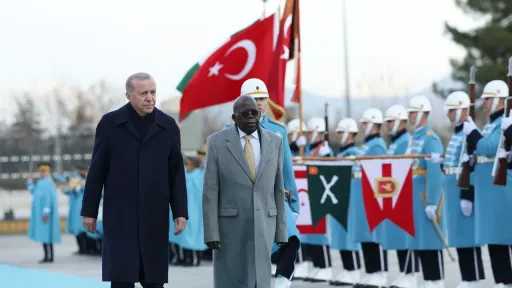
The Protocol on Military Cooperation, covering intelligence sharing, was among nine agreements signed between Ankara and Abuja during Nigerian President Bola Ahmed Tinubu’s recent visit to Türkiye.
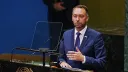
Nigeria’s Defence Minister Christopher Musa described the visit as a reaffirmation of Abuja’s determination to strengthen the Nigerian Armed Forces against terrorism, armed robbers known locally as ‘bandits’ and other security threats.
“This administration is committed to empowering the armed forces with the right capabilities, partnerships, and technologies,” Musa said, stressing that the Türkiye engagements were designed to produce concrete operational outcomes rather than symbolic diplomacy.
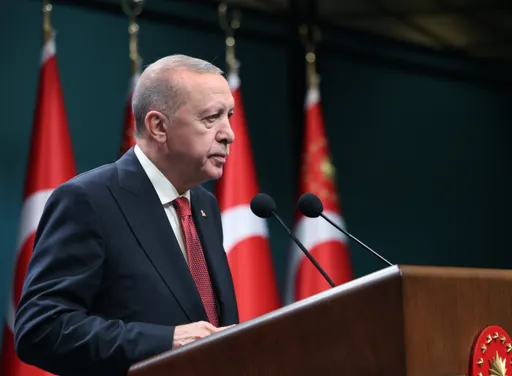
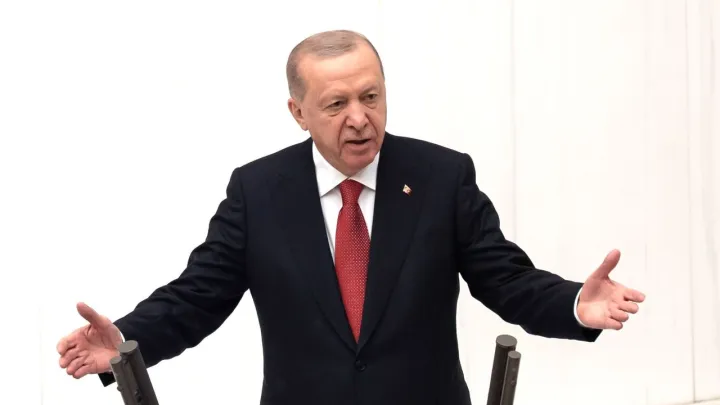
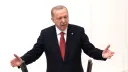
President Erdogan pledged Türkiye’s continued support for Nigeria’s fight against terrorism, confirming that both sides reviewed deeper cooperation in joint military training, intelligence sharing, and defence industry collaboration.
“We stand with the brotherly people of Nigeria in their fight against terrorism. We reviewed opportunities for closer cooperation in military training and intelligence,” he said.
“We are ready to share Türkiye’s significant experience in counterterrorism,” he added, warning that terrorist networks—particularly across Africa’s Sahel region—pose a growing threat to regional stability.
The security cooperation between the two countries is being interpreted by analysts as a recalibration of Nigeria’s counterterrorism strategy—one that seeks to move beyond fragmented responses towards a more integrated, doctrine-driven, and sustainable security framework.
The latest developments come just a month after the US military strikes on camps of the Daesh and linked terror groups in northwest Nigeria.
Institutional capacity building
Security analysts argue that the true value of Türkiye’s experience lies not in hardware alone, but in institutional capacity-building.
“The cooperation between the two countries is already well established, with Nigeria operating Bayraktar TB2 armed drones and T129 ATAK helicopters,” Nigerian security expert Kabiru Adamu tells TRT World.
“The current phase of engagement sharpens five priority areas: joint training, intelligence sharing, counterterrorism collaboration, defence technology exchange, and access to advanced platforms.”
The doctrinal shift, analysts say, is critical for Nigeria, where counterterrorism efforts have often been constrained by coordination gaps between intelligence, operations, and crisis response.
“Türkiye’s counterterrorism model is built on bringing the intelligence cycle, operational planning, and crisis management under a single roof,” an approach that helps move operations away from “fragmented and episodic reactions” toward a shared doctrine and strategic narrative, Turkish policy expert Tunc Demirtas from the SETA think tank tells TRT World.
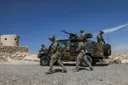
According to Demirtas, joint training programmes, command-level education, and combined exercises offer Nigeria a way to make Türkiye’s field experience “tangible and measurable” in its fight against terror groups like Daesh and its affiliated Boko Haram.
A wealth of experience
Independent researcher Kenan Toprak highlights Türkiye’s operational successes in northern Iraq and in subduing the YPG/PKK terror group through a series of operations.
Türkiye’s experience, he tells TRT World, can provide Nigeria with “critical strategic and tactical advantages,” enabling a more effective and sustainable approach to counterterrorism.
Toprak stresses that Ankara’s support is designed to be long-term.
President Erdogan’s commitment to deepen cooperation in training, intelligence sharing, and the defence industry, he notes, “shows that this relationship is not built on short-term tactics, but on a long-term strategic vision”.
Beyond training, cooperation is expected to include advanced equipment and specialised instruction in counterinsurgency and urban warfare, significantly enhancing the combat effectiveness of Nigerian forces.
A key milestone in this evolution is the 2026 Military Training and Intelligence Agreement, signed by Defence Minister Musa, which builds on the 2021 Defence Industry Cooperation Agreement.
While the 2021 accord focused on procurement—such as Bayraktar TB2 UAVs, T129 ATAK helicopters, and offshore patrol vessels—the 2026 agreement marks a shift towards integrated security operations.
It enables Turkish experts to train Nigeria’s Special Forces and provides for satellite intelligence sharing against terrorist groups.
The protocol also envisages a direct “intelligence bridge” between Nigeria’s National Intelligence Agency (NIA) and Türkiye’s National Intelligence Organization (MİT), aimed at tracking illicit arms flows across the Sahel and Lake Chad regions and monitoring terrorist networks’ digital activities.
Tailored training modules for the Nigerian Air Force on advanced UAV operations in complex terrain further underline the depth of cooperation.
Taken together, analysts say, the Ankara–Abuja partnership reflects a maturing model of South–South security cooperation—one that blends military capability, institutional reform, and strategic alignment.
By coupling technology transfer with training, intelligence integration, and local capacity development, Nigeria stands to enhance both its operational effectiveness and long-term security stability in the fight against terrorism.