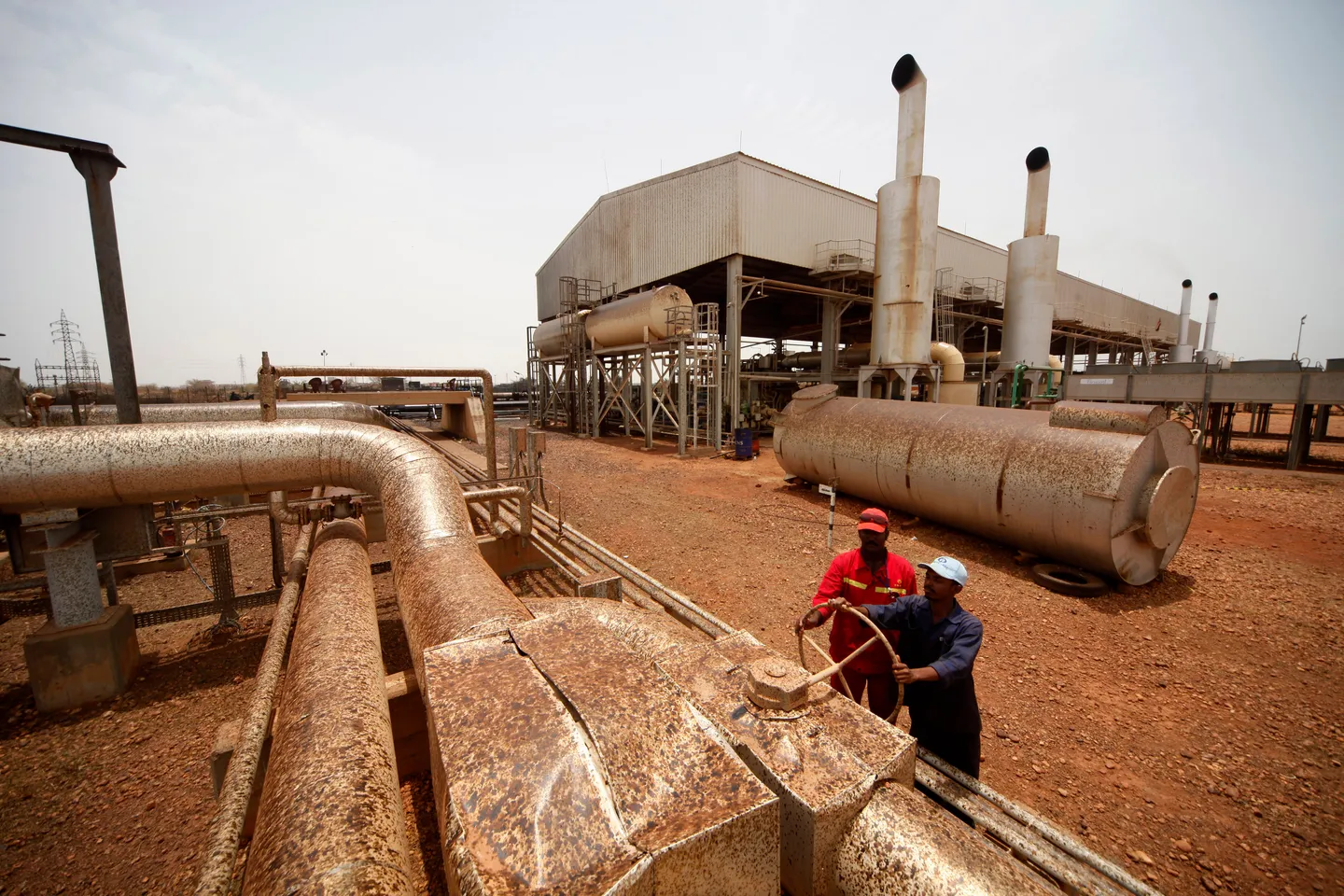
South Sudan has reached an unprecedented deal with the Sudanese army and the paramilitary Rapid Support Forces (RSF) to place security at the Heglig oilfield in West Kordofan under the control of the South Sudan People’s Defense Forces (SSPDF).
The area is claimed by both Sudan and South Sudan but administered by Sudan.
The agreement gives the SSPDF “primary security responsibility” for the oil installations, government spokesperson Ateny Wek Ateny said on Thursday at a press briefing in Juba, South Sudan’s capital.
President Salva Kiir Mayardit brokered the deal after urging both sides of Sudan’s conflict to halt clashes around the oilfield, Ateny added.
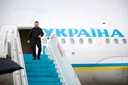
On Wednesday, SSPDF Chief of Staff Paul Nang confirmed that Kiir had held talks with Sudan’s Sovereign Council head Abdel Fattah al-Burhan and RSF commander Mohamed Hamdan Dagalo, known as Hemedti, securing an accord allowing South Sudanese forces to enter Heglig.
Under the deal, Ateny said, both the Sudanese army and RSF are required to withdraw from the area.
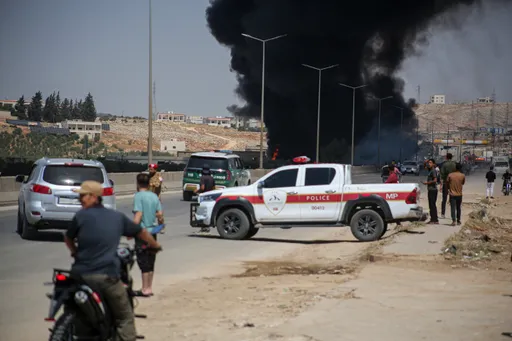
Heglig is a crucial hub for Sudanese oil, located in West Kordofan near the border between the two countries, producing roughly half of the country’s crude.
South Sudanese oil is exported through a Sudanese pipeline that runs 1,610 kilometres to Port Bashayer on the Red Sea.
Neither Sudanese authorities nor the RSF had commented on the agreement.
However, Omar al Digeir, head of the Sudanese Congress Party, suggested on social media that the silence may indicate an “unannounced confirmation” of the deal.

He called on both sides to direct the same political will toward achieving a broader humanitarian truce.
Sudan’s civil war
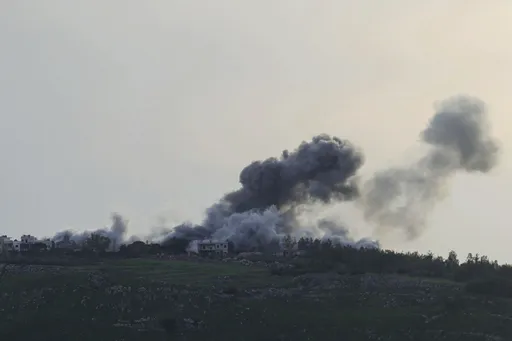
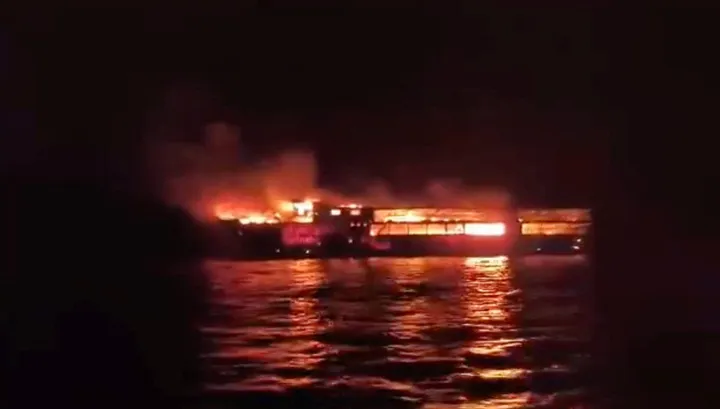
The RSF announced on Monday that it had seized Heglig and was protecting the oil facilities on claims to safeguard South Sudan’s economic interests, which depend heavily on the uninterrupted flow of crude through Sudanese territory.
The Sudanese government has previously accused the RSF of targeting oil infrastructure, including a drone attack on the Juba oil-processing station in White Nile State on November 15, which temporarily halted exports.
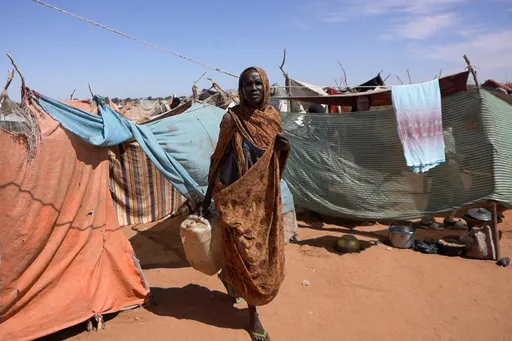
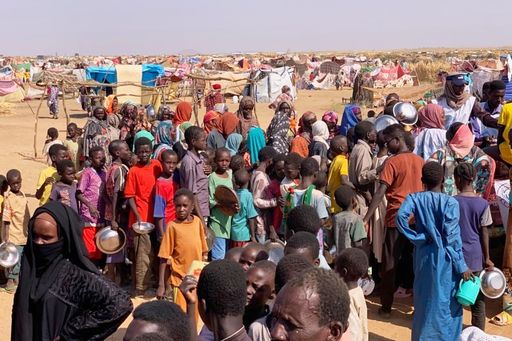
The three Kordofan states—North, West and South—have seen weeks of fierce fighting between the army and the RSF, forcing tens of thousands of people to flee.
Of Sudan’s 18 states, the RSF controls all five states of the Darfur region in the west, except for some northern parts of North Darfur that remain under army control.
The army, in turn, holds most areas of the remaining 13 states in the south, north, east, and centre, including the capital, Khartoum.
The conflict between the Sudanese army and the RSF, which began in April 2023, has since killed thousands of people and displaced millions of others.