Sudan is facing one of the gravest humanitarian disasters in the world today.
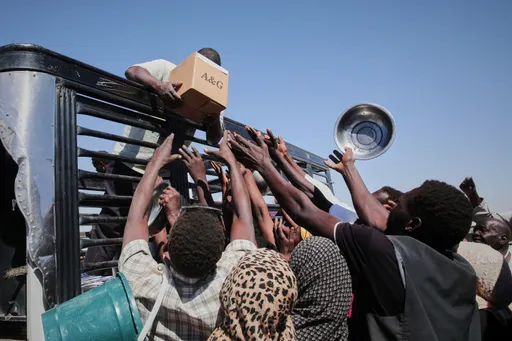
More than 30 million people — over half the population — need aid.
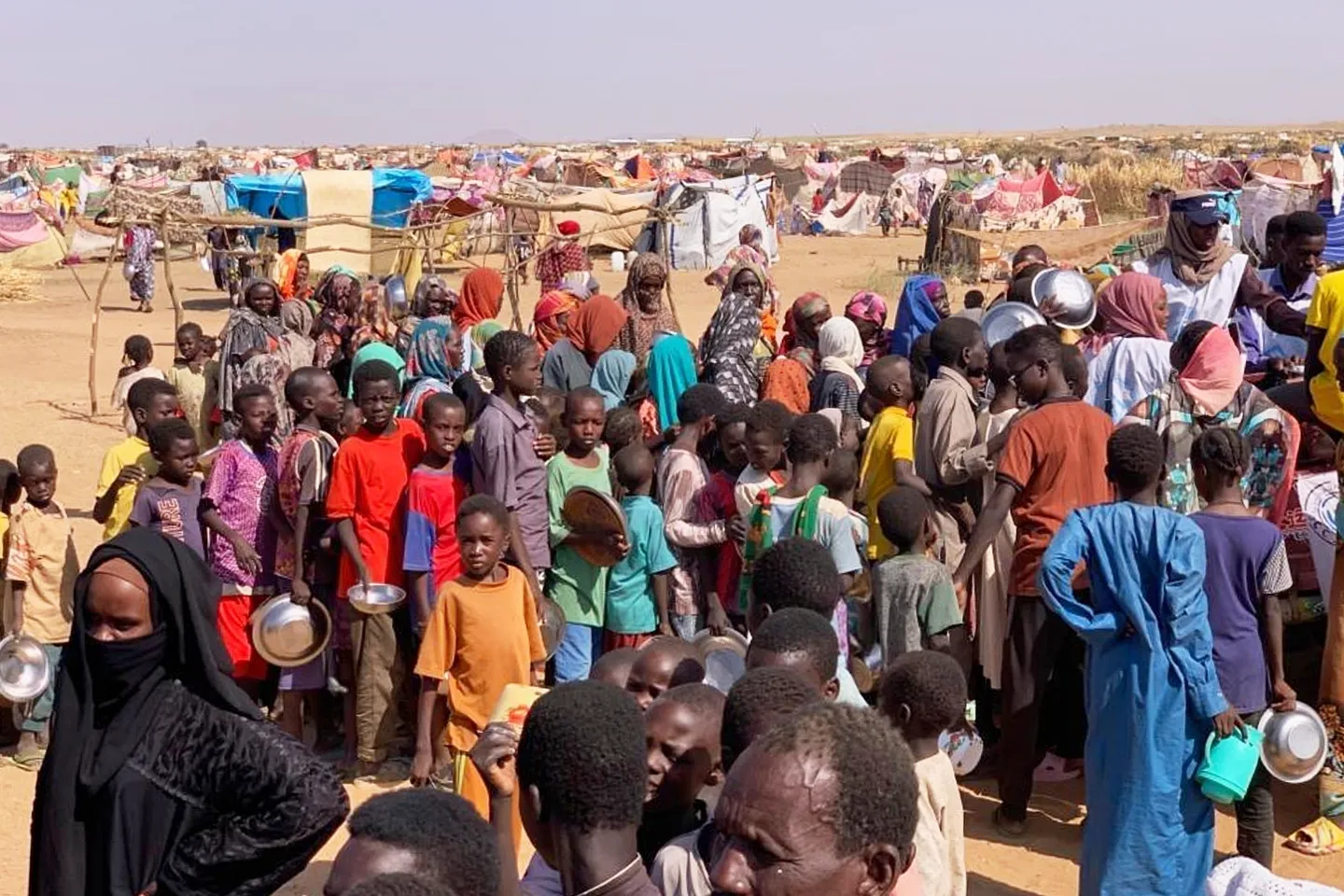
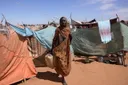
Among them, 9.6 million are displaced from their homes and nearly 15 million children caught in a struggle for daily survival, according to the UN.
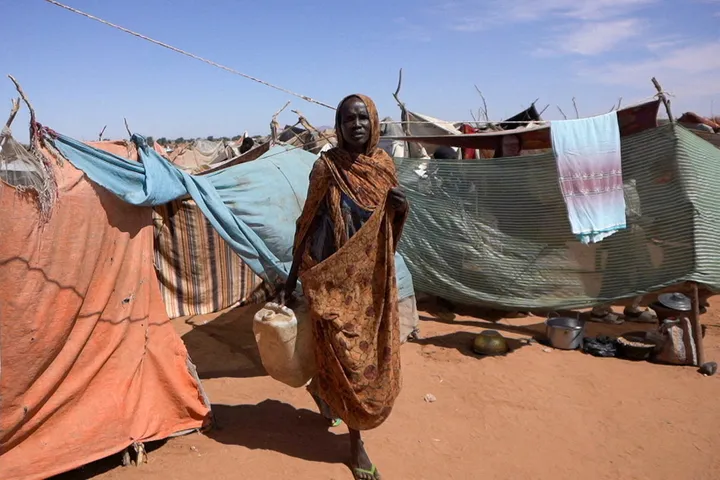
Acute food insecurity affects roughly 24 million people, with famine officially declared in some camps for displaced persons, such as near Al Fasher.
Fighting between the national army and a powerful paramilitary group has shattered the country, causing famine, mass displacement, and widespread violence.
Who’s fighting?
The war pits the Sudanese Armed Forces (SAF), led by General Abdel Fattah al-Burhan, against the Rapid Support Forces (RSF), commanded by Mohamed Hamdan Daglo, known as Hemedti.
The SAF is the country’s regular military and has long been the dominant arm of the state.
The RSF, by contrast, grew out of then-government-backed militant groups known as the Janjaweed, infamous for their role in atrocities during the Darfur war of the 2000s, when rebel groups rose up against what they described as decades of political, economic and ethnic marginalisation by Khartoum.
Over time, the RSF evolved into a formal paramilitary force with its own command, funding networks — notably gold mining — and foreign ties.

How Sudan got here — a timeline
2003: The Darfur war
Non-Arab rebel groups in Darfur rose up against Sudan’s government, accusing it of decades of political and economic neglect.
Khartoum responded by arming Arab militias — the Janjaweed — who carried out scorched-earth campaigns that killed tens of thousands and displaced millions.
Most fighters are recruited from tribes in Darfur. Before the current war, analysts estimated the RSF’s manpower at around 100,000 militants deployed across Darfur and other regions.
In February 2003, two rebel groups, the Sudan Liberation Army/Movement (SLA/M) and the Justice and Equality Movement (JEM) drawn from members of the Fur, Masalit, and Zaghawa ethnic groups, demanded an end to chronic economic marginalisation and sought power-sharing within the Sudanese state, as per a Human Rights Watch report.
By 2007, the humanitarian toll was enormous. Hundreds of thousands had been killed, and more than two million displaced, although the underlying grievances around land, identity and power remained unresolved.

2013: Birth of the RSF
Under former president Omar al-Bashir, the Janjaweed were reorganised into the RSF, given legal status under Sudan’s intelligence service, and tasked with “fighting rebellion.”
Hemedti, a former camel trader turned warlord, rose quickly to command the RSF, turning it into a semi-independent military empire.
Although peace deals were signed in 2006 and 2010, and again in 2020, they failed to address the root causes of conflict or provide accountability for Darfur’s atrocities, allowing impunity and localised violence to persist.
2017: The RSF gains power
Sudan’s parliament passed a law making the RSF part of the national armed forces, though it kept its own command structure.
This created two parallel militaries — a recipe for future confrontation.

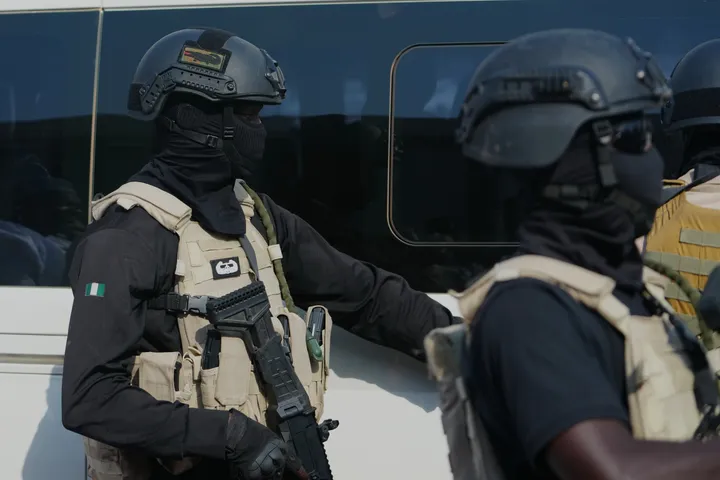
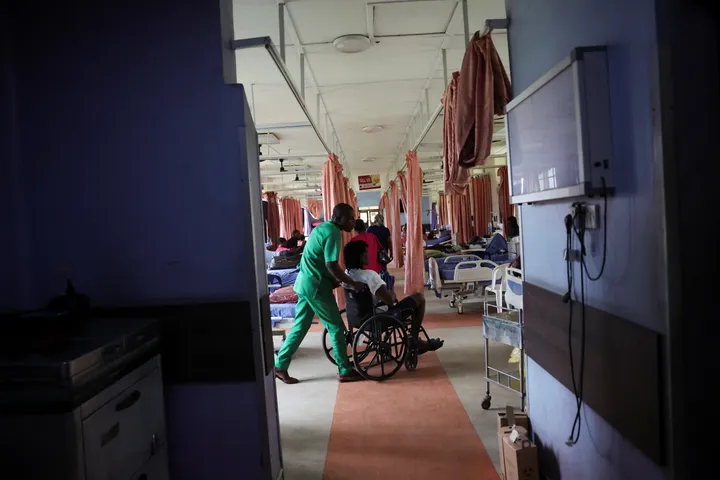


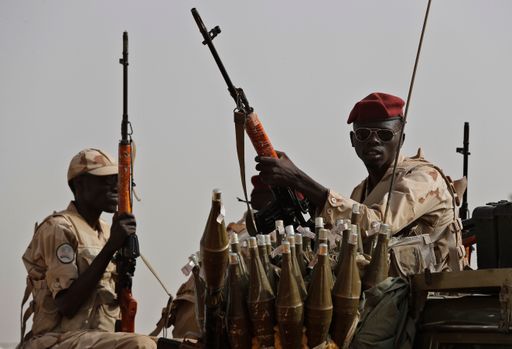
Analysts say this created a dual military structure in which the RSF operated with its own chain of command – a gap that later fuelled the power struggle with the army over a proposed merger, according to an Anadolu report.
2019: Revolution and Bashir’s fall
The situation revolved further in 2019 when longtime leader Bashir was ousted following massive popular protests, and a fragile civilian-military transitional government was formed.
The RSF helped remove Bashir from power in April, 2019 and Hemedti was appointed deputy chair of the transitional Sovereign Council, led by Abdel Fattah al-Burhan.
Burhan and Hemedti, then uneasy allies, joined a transitional council that promised civilian rule. But tensions simmered between the army and the RSF, which retained control over much of Darfur and the capital.
2021: The coup
The fragile transition collapsed when Burhan and Hemedti staged a coup, sidelining civilians.
Their partnership soon broke down over how — and whether — to merge the RSF into the army.
General Burhan pushed for rapid integration under army command, while Hemedti resisted fearing a loss of autonomy and control over his vast military and financial networks.
2023: Civil war erupts
In April 2023, fighting exploded between the two forces in Khartoum and across the country.
The RSF used urban warfare tactics to seize large parts of the capital and much of Darfur, while the army relied on air strikes and artillery.
More than 40,000 people have been killed, according to UN figures, but aid groups say the true number could be many times higher.
2024 – 2025: Collapse and atrocities
After 18 months of siege, the RSF captured Al Fasher, the army’s last stronghold in Darfur, last week.
Witnesses and aid groups reported mass killings, starvation, and systematic attacks on civilians. The UN has warned that the situation may amount to genocide.
Famine has been declared in parts of Darfur, and more than 9.6 million people are now displaced — the largest displacement crisis in the world.
Sudan’s war is not just a political power struggle; it’s the unravelling of a state.
Regional powers have backed rival factions, fuelling the violence. Meanwhile, humanitarian access is collapsing, and civilians are bearing the brunt.
As one UN official put it: “This is one of the worst protection crises we’ve seen in decades.”