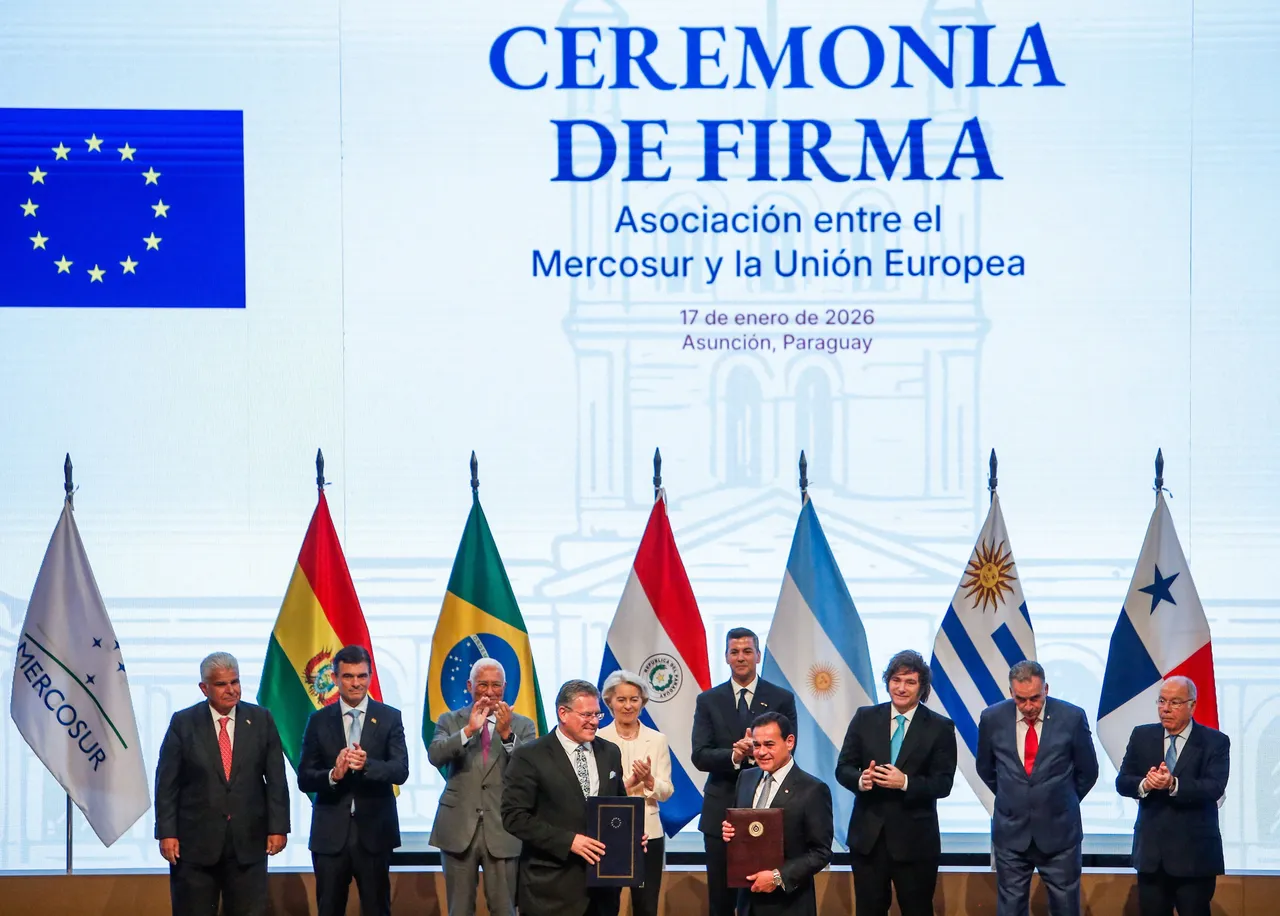
The European Union and the Mercosur bloc signed a long-awaited trade agreement on Saturday, pitching the pact as a forceful rejection of tariffs, isolationism and the growing use of trade as a geopolitical weapon.
The deal between the EU’s 27 member states and Mercosur partners Brazil, Argentina, Uruguay and Paraguay would create one of the world’s largest free-trade areas, covering more than 700 million people and nearly 30 percent of global GDP.
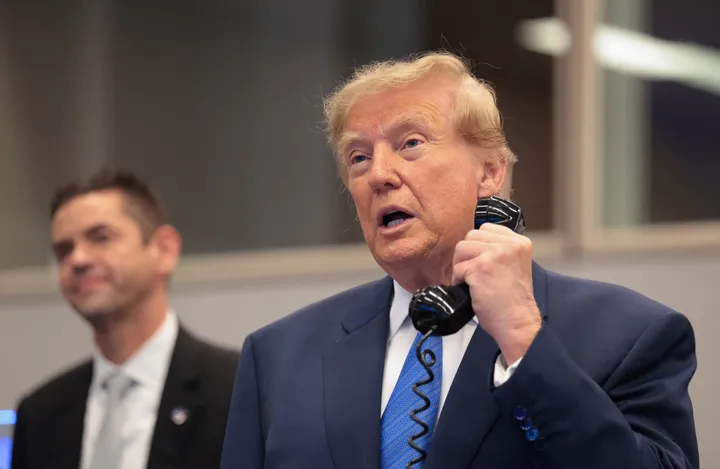
It follows a quarter-century of difficult negotiations and gained momentum amid renewed tariff threats from US President Donald Trump.
“We choose fair trade over tariffs, we choose a productive long-term partnership over isolation,” European Commission President Ursula von der Leyen said at the signing ceremony in Asuncion, Paraguay.
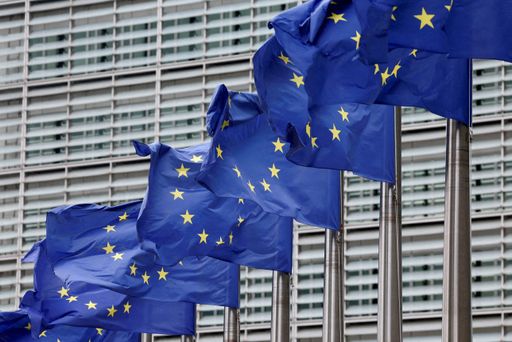
“Bulwark against protectionism”
Paraguayan President Santiago Peña hailed the agreement as “a clear signal in favour of international trade” at a time of mounting global tensions, while European Council President Antonio Costa said it stood in direct contrast to the “use of trade as a geopolitical weapon.”
Brazil’s foreign minister Mauro Vieira described the pact as a “bulwark” against protectionism and unpredictability, even as President Luiz Inacio Lula da Silva, a key architect of the deal, was unable to attend and instead praised it as a victory for multilateralism during talks with von der Leyen in Brazil.
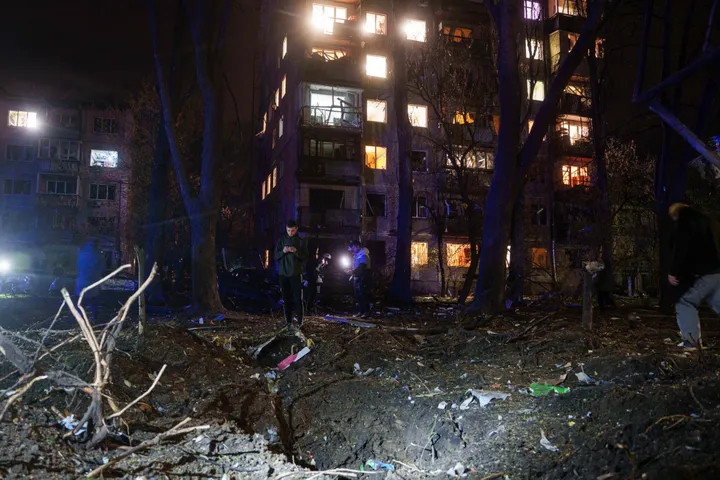


Once approved by the European Parliament and ratified by all Mercosur members, the agreement would eliminate tariffs on more than 90 percent of bilateral trade and is expected to enter into force by the end of 2026.
The EU projects a 39 percent increase in its exports to Mercosur, while Mercosur exports to Europe could rise by 17 percent.
Bringing EU and South American markets closer
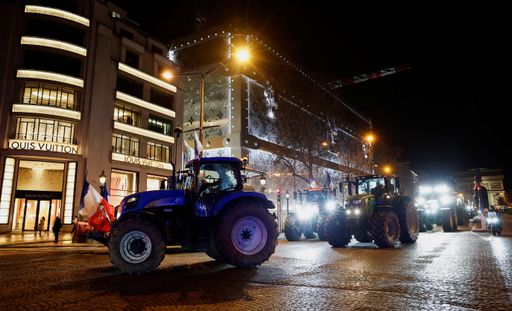
The pact would open European markets further to South American agricultural products such as beef, poultry and soy, while boosting EU exports of cars, wine and cheese — a balance that has fueled anger among European farmers who fear competition from cheaper imports produced under looser standards.
To ease concerns, the European Commission has proposed safeguards and a crisis fund that would allow tariffs to be temporarily reimposed in the event of import surges.
Critics in South America, however, warn that quotas and protections could blunt the deal’s economic impact, with Argentine analysts estimating potential job losses in the local auto sector.
Despite the opposition, supporters say the agreement sends a clear message: as protectionism rises elsewhere, the EU and Mercosur are betting on deeper integration and long-term economic ties.