Australia is home to YouTube star Jordan Barclay, the place where he was born, went to school and by age 23 built a company worth $50 million that produces gaming content for 23 million subscribers.
Now, with a world-first protective social media ban on Australian children younger than 16 set to take effect on December 10, he is thinking of leaving his Melbourne studio and moving abroad.
"We're going to move overseas because that's where the money is going to be," said Barclay, whose seven YouTube channels include EYstreem, Chip and Milo, and Firelight.
"We can't afford to keep doing business if advertisers leave Australia."
Nine participants interviewed by Reuters in Australia's social media industry, estimated to generate annual revenue of $5.82 billion (A$9 billion), did not put a dollar figure on the ban's impact but agreed it could lead to a drop in advertisers and views.
YouTubers, who get paid 55 percent of ad revenue and up to 18 Australian cents per 1,000 views, could be hit hardest, said social media researcher Susan Grantham at Griffith University.
"If it is one clean sweep and all these accounts disappear, then instantaneously, it's going to be detrimental to the influencer economy."
The law requires companies to block the accounts of more than a million people under the cut-off age, punishing "systemic breaches" with penalties of up to $31.98 million.
While teenagers can still watch YouTube without an account, the site's algorithm will fail to drive traffic to popular posts, reducing views.
Equally, creators on YouTube, TikTok and Meta's Instagram stand to lose earnings through promotions if the number of their followers fall, Grantham said.
Advertisers are also on edge about campaigns targeting younger audiences, said Stephanie Scicchitano, general manager at Sydney-based talent agency Born Bred Talent.
‘Protecting’ young Australians
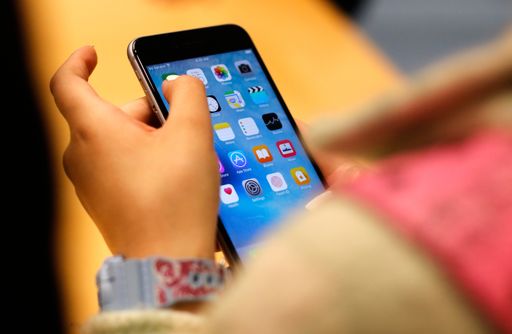
From December 10, Australian law requires major social media platforms to take “reasonable steps” to prevent users under the age of 16 from having accounts.
The government says the aim is not to punish young people, but to protect them from features that encourage excessive screen time, manipulative design, and exposure to harmful content — giving them more time to develop emotional and digital resilience.
Australia’s eSafety Commissioner Julie Inman Grant, who will enforce the social media ban, said the list of age-restricted platforms would evolve with new technologies.
Inman Grant said she would work with academics to evaluate the impacts of the ban, including whether children sleep or interact more or become more physically active.
Officials say platforms have failed to adequately shield minors from violent material, harassment and addictive design features.
Supporters of the ban argue that stricter age limits are necessary to curb risks to children’s wellbeing, even as critics warn of unintended consequences for creators and the broader digital economy.
Fewer sponsorship deals as ban deadline nears
Barclay's company Spawnpoint Media sells advertising to companies such as Lego and Microsoft, but clients' interest in sponsorship deals has declined as the ban approaches, he said.
"They're worried about what the ban could mean later," he said. "If it expands, if it grows ... it makes sense for us to invest overseas and not here."

The United States could be among his options, he said, pointing to more favourable laws and government support in such markets.
Some creators are already leaving to avoid the curbs, such as influencers the Empire Family, who told followers in October they were relocating to Britain.
The careers of those creating content featuring children younger than 16, such as family vloggers and child influencers, were particularly at risk, said Crystal Abidin, the director of the Influencer Ethnography Research Lab.
"They agree that in order to continue, it's an easy decision to immigrate," she said.
Children's musicians Tina and Mark Harris, whose Lah-Lah YouTube channel has 1.4 million subscribers, said, "Any negative impact on income is going to hurt."
Concern about lasting reputational harm
But their main concern was lasting reputational damage from the government's description of YouTube's harm to children.
"Parents will get the jitters and stay away from YouTube in droves," Mark Harris said.
"Maybe that's hyperbole, we just don't know."
Initially exempted from the ban, Alphabet-owned YouTube was added later at the urging of Australia's internet regulator, which said 37 percent of minors reported seeing harmful content on YouTube, the worst showing for a platform.
The ban "does a disservice" to creators of high-quality content for children, said Shannon Jones, who runs Australia's largest YouTube channel, Bounce Patrol, with more than 33 million subscribers.
Byron Bay creator Junpei Zaki, 28, whose output is mostly drawn from interactions with 22 million followers across TikTok and YouTube, expects the ban to cause a "guaranteed drop" in likes and comments from Australia.
"It ... does feel like I'm ignoring my Australian audience that helped get me here, because they can't interact."

Hit magnified for smaller creators
Zaki estimates he will lose 100,000 followers to the ban, a blip in his global reach, but warned that smaller creators with domestic audiences would be hit harder.
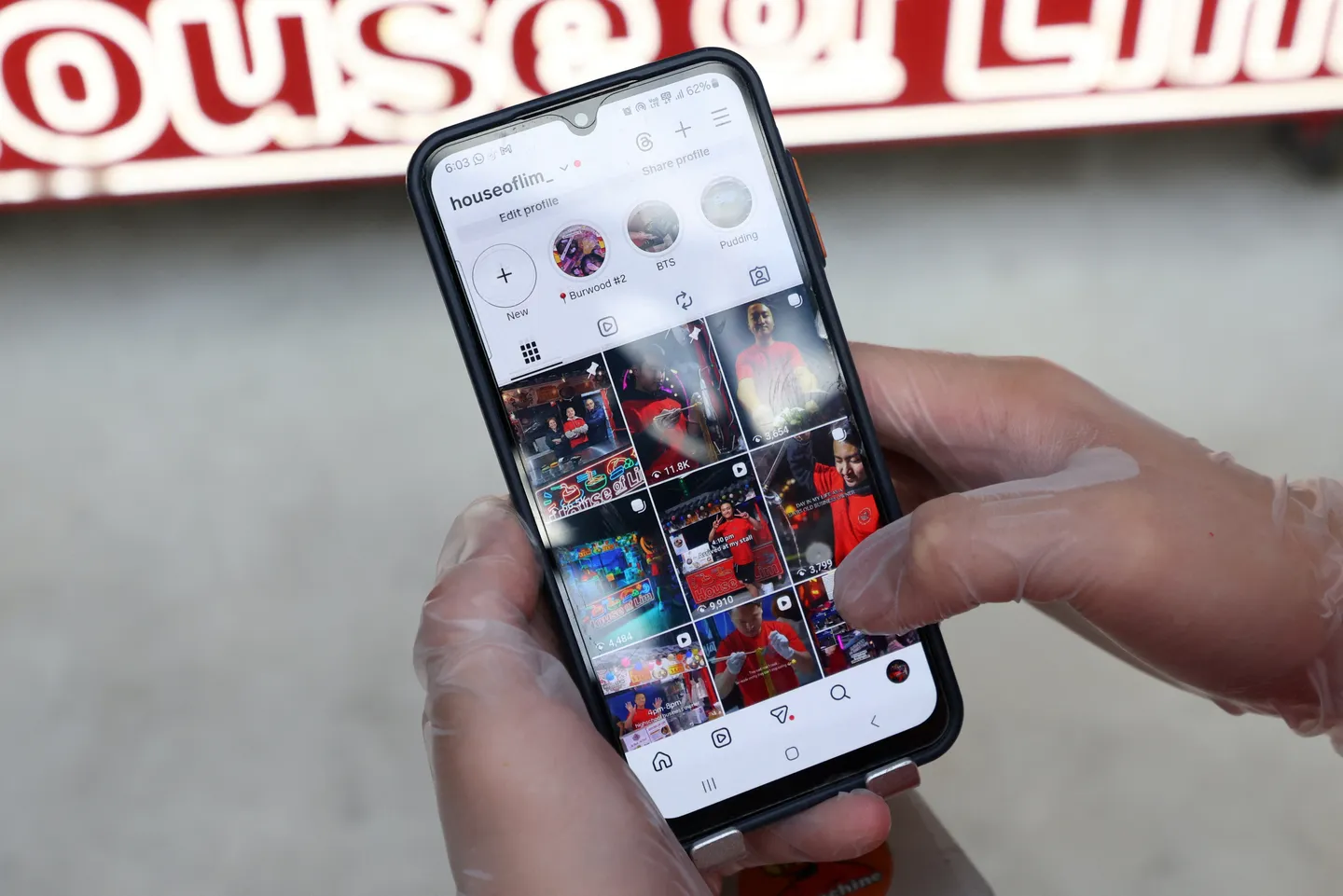
At the House of Lim food stall in Sydney's west, 15-year-old owner Dimi Heryxlim has built a following by posting vlogs of his routine running the kitchen after school.
Losing access to his TikTok and Instagram accounts "will be a bad thing", he said, as some customers recognise him from his videos, but he plans to return as soon as he turns 16.
"If I can't get my account back, I'll just get a new account and start everything from scratch," said Heryxlim.