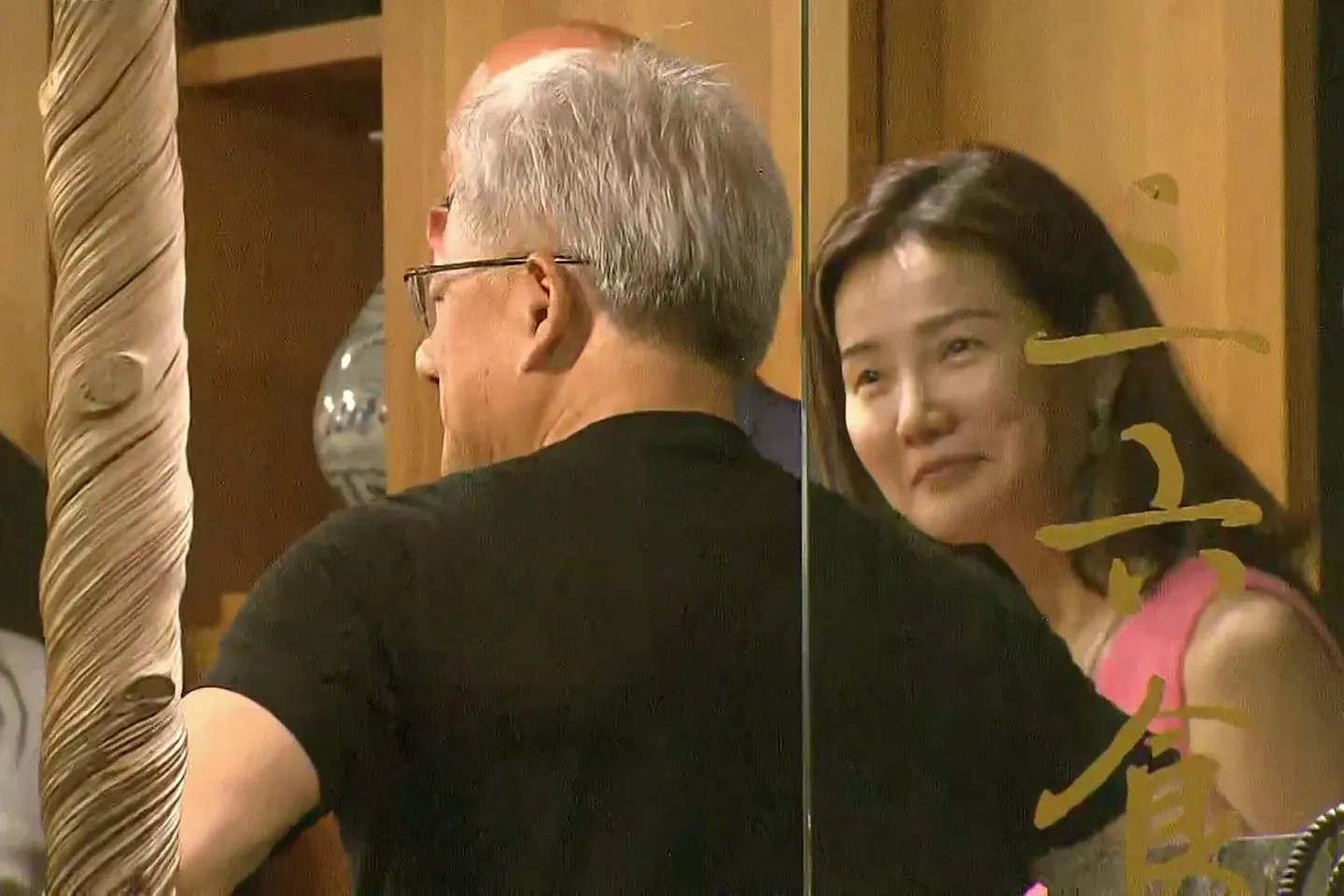
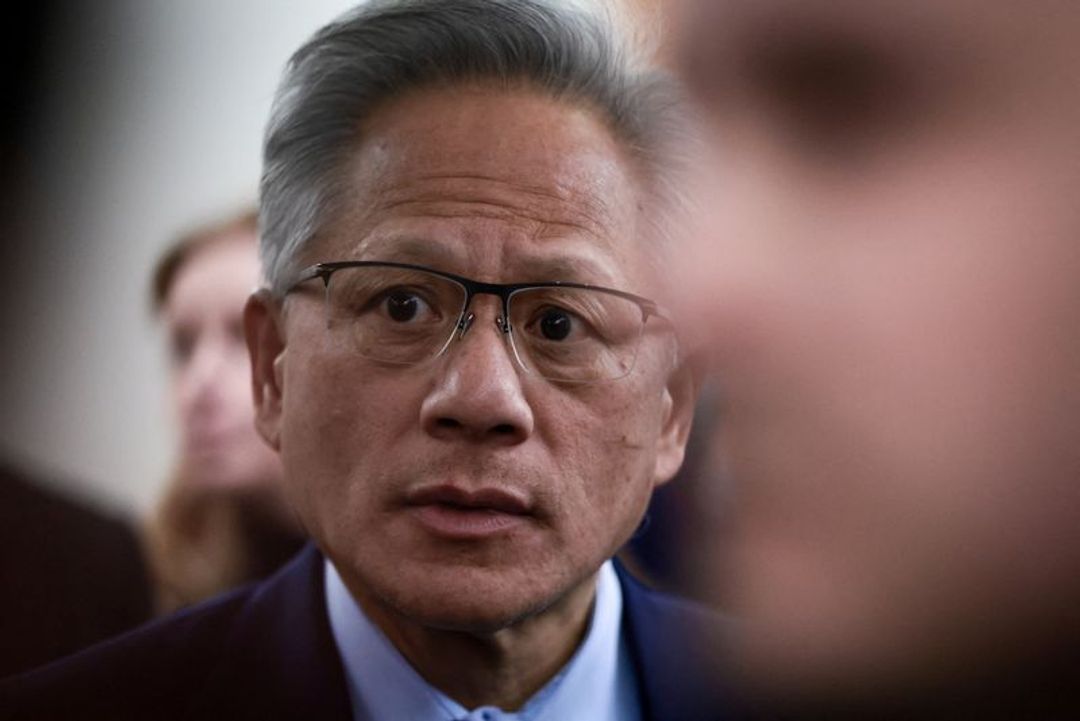
The reveal earlier this month that billionaire Nvidia CEO Jensen Huang had extramarital affairs sent shock waves through the tech world, particularly with Asian Americans who revered him as a once-in-a-generation talent.
But what has hit hard for Asian American women is the discourse around the allegation that Alice Huang, a Chinese businesswoman at the centre of the scandal, was possibly a spy.
Almost immediately, videos and memes reviving tired tropes fetishising Asian women hit social media.
“So few Asian women in general make it to the news for positive things. This is just going to continue to perpetuate negative stereotypes or biases for Asian women,” said Misa Chien, founder of a network for Asian American women leaders called The Authentic Asian.
Whether or not the allegation is true, “just the news will definitely influence people’s opinions of women who have broken the ceiling or are trying to.”
Asian American women working in tech, civil rights advocacy and academia have felt a sense of dread that this ordeal will diminish how their peers are viewed and treated in their workplaces.
It’s a reminder that no accomplishments will completely dispel centuries-old stereotypes.
Jensen Huang has since resigned. However, the US Justice Department has not found sufficient evidence that Alice Huang, who is not related to Jensen Huang, was a spy.
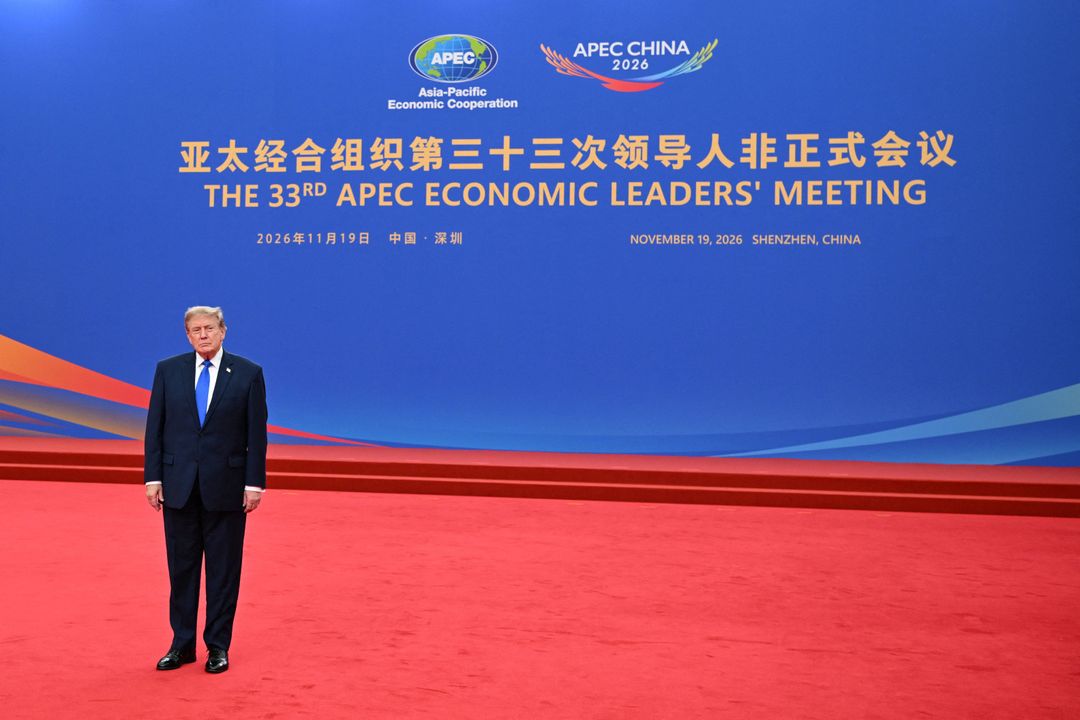
“I don’t know if that’s been determined yet,” President Donald Trump told reporters this week.
Asian women struggle to be taken seriously as leaders
Among the social media posts being spread was a collage of photos showing CEOs with Asian female partners. Author May-lee Chai, who has written about the treatment of Asian women throughout history, called it “disgusting.”
Depicting them like so-called trophy wives “implicates these spouses like they’re somehow similar to this suspected spy,” said Chai, a creative writing professor at San Francisco State University.
The speed at which people glommed onto the Asian female spy narrative was shocking to April Moh, chief marketing officer for a financial technology company and board member of Stand with Asian Americans, a legal civil rights organisation specialising in combating workplace anti-Asian discrimination.
The chatter has also led to women sharing stories of uncomfortable interactions.
“I have women in technology who tell me that they get really weird looks and they get questioned about laptop security by their colleagues when they’re visiting China,” Moh said.
“I have another person telling me that she has been jokingly asked, ‘So, are you a spy?’ by people who think that’s a joke now. It’s not funny to her or me.”
Many clients of Stand with Asian Americans are Asian women who have proved their competence yet are still accused of being fraudulent or deceitful, said Rachel Lee, the organisation’s president and general counsel.
“It is deeply disturbing to see this not just unique to the Nvidia Jensen Huang case, but as a part of a long-standing dangerous narrative that Asians are perpetual foreigners, untrustworthy, disloyal,” Lee said.
On top of their integrity being questioned, Asian workers also deal with misconceptions that they cannot lead.
The annual Social Tracking of Asian Americans in the United States Index from The Asian American Foundation found at least half of US adults characterised Asian Americans in the workplace as “respectful” or “reliable.” Only 1 in 10 viewed them as “assertive.”
“The No. 1 theme in onboarding interviews all last week were ‘I’m mistaken for the secretary, I don’t look like the typical face of leadership’,” said Chien, talking about new members of her Asian leaders network.
Stereotypes around Asian women go back centuries
Years before Chinese labourers were fully banned from entering the US under the 1882 Chinese Exclusion Act, the federal government targeted immigrant Asian women.
In 1875, Congress passed the Page Act to control immigration from “any Oriental country.”
“Chinese women were deemed, and East Asian women in general, as being untrustworthy,” Chai said. “It was presumed that they would be coming for illicit means as prostitutes to the United States and that would cause harm to white men.”
By the early 20th century, the Asian woman as a seductress, spy or “dragon lady” started becoming an archetype on Hollywood screens, she added.
The headlines had Chien reflecting on when she played a spy in a building security ad in Hong Kong 20 years ago. She was instructed to wear three bras to resemble Angelina Jolie’s figure.
She wrote an Instagram post to point out “how the media enjoys putting Asian women in that kind of role” and urged women to not let people’s assumptions keep them from success.
“So many followers messaged me saying ‘thank you so much for speaking up’,” Chien said.
Real harm can come from stereotypes
Suspicion towards Chinese people in the US has dramatically heightened geopolitical tensions. Over two dozen states in the last few years have proposed or enacted “alien land laws” to prevent Chinese nationals from buying property.
The number of international students enrolling in American universities has fallen.
Jokes rooted in stereotypes under the guise of being complimentary also do not help Asian female workers, Lee added.
“Whether it’s a compliment or not, a trope is a trope,” she said. “I don’t care if it comes out of the mouth of the US president.”
Ideally, Lee said more companies should allow for education and training around the harm and history of stereotypes.
She encourages any woman who has had uncomfortable interactions to reach out to advocacy groups such as Stand with Asian Americans if she has nobody to turn to at work.
At Stand with Asian Americans, people do not need to have a legal case of discrimination or harassment to receive assistance including education on their rights and mental health support.
Individuals also have the right to draw boundaries and make clear what’s not OK to say, Lee added. It’s in employers’ best interest to make sure no federal laws against discrimination and harassment are being violated.
“It’s a win-win to have that conversation,” Lee said.