Ugandan opposition leader Bobi Wine has been forcibly taken away from his home by an army helicopter, his party has said, a day after elections marred by violence and an internet blackout.
President Yoweri Museveni is seeking to extend his four-decade rule after an election that opposition groups say was conducted under widespread repression.
Wine, whose real name is Robert Kyagulanyi, had earlier said he was under house arrest after police surrounded his residence.
Late on Friday, his party, the National Unity Platform, said in a post on X that an army helicopter had landed inside the compound and "forcibly taken him away to an unknown destination."
The party added that Wine’s private security guards were "violently assaulted" during the operation.
Preliminary results released by the Electoral Commission placed Museveni with 75.38% of the vote, with his closest challenger, Robert Kyagulanyi, 43, popularly known as Bobi Wine, a former pop star turned politician, second with 20.71%.
Wine, 43, a former singer who styles himself the ‘ghetto president’, has emerged as Museveni’s most prominent challenger in recent years.

‘Widespread repression and intimidation’
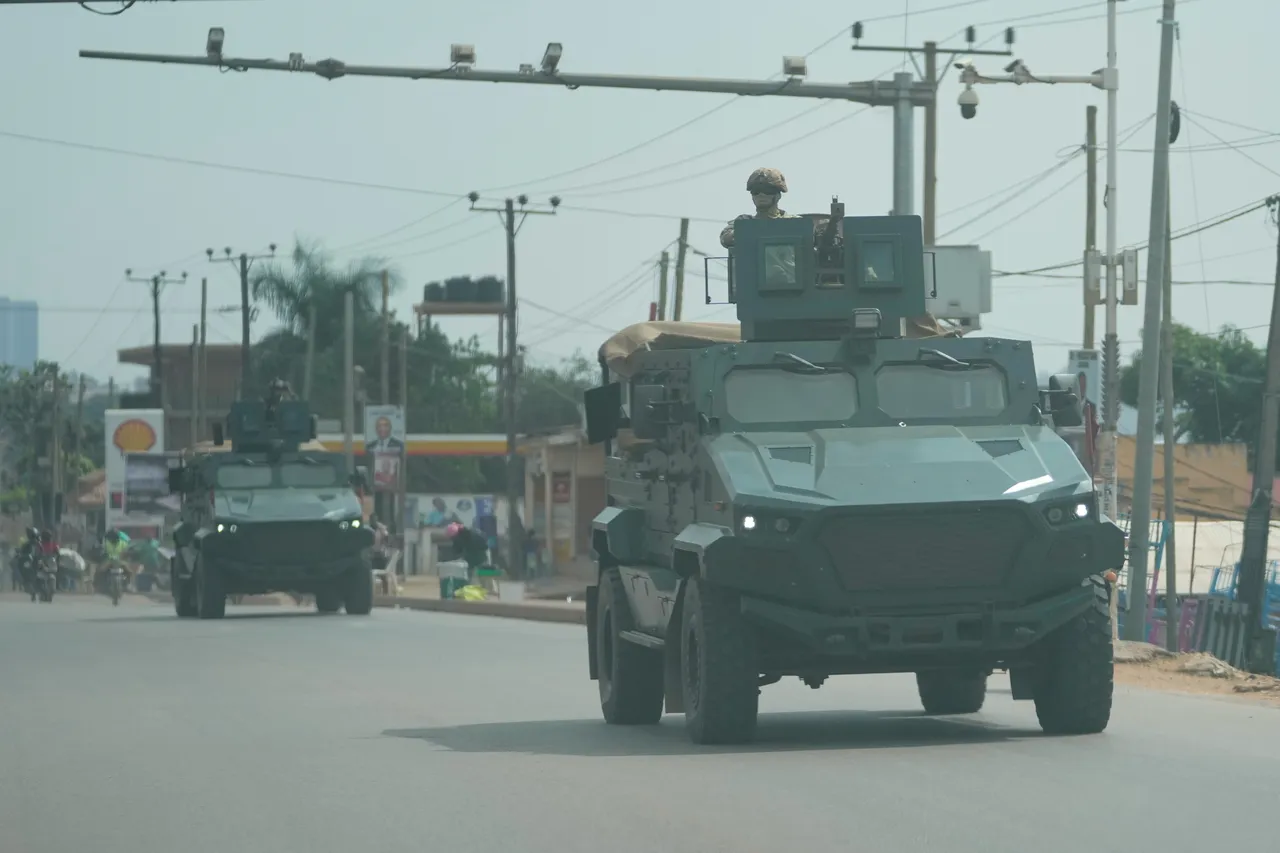
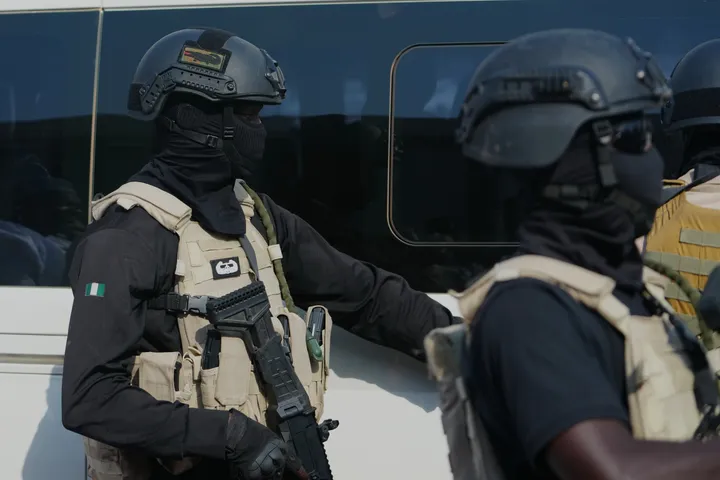
Earlier, Wine told Anadolu that there is a heavy military presence around his house. The situation in Kampala remains calm but tense, with the city largely deserted as shops remain closed.
Benjamin Katana, a senior figure in Wine’s opposition party, said there is a lack of clarity about the way votes were tallied in the districts announced by the Electoral Commission, raising questions about the integrity of the process.
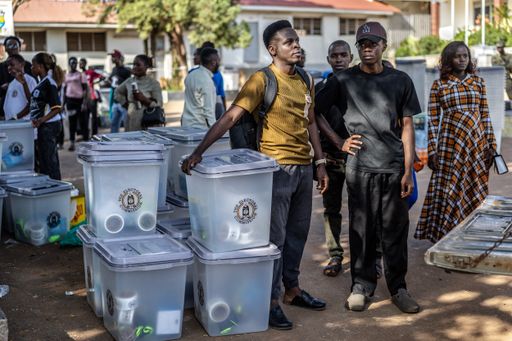
He told Anadolu that there has been voter intimidation, a security apparatus hostile to polling agents belonging to the opposition and a systematic failure of electronic biometric voting machines, all pointing to concerns about delivering a free and fair election.
Elsewhere, there were reports of deadly violence against opposition supporters.
Analysts have long viewed the election as a formality, citing Museveni’s firm control over the state and security apparatus.
The United Nations rights office said last week the vote was taking place amid “widespread repression and intimidation” of the opposition.