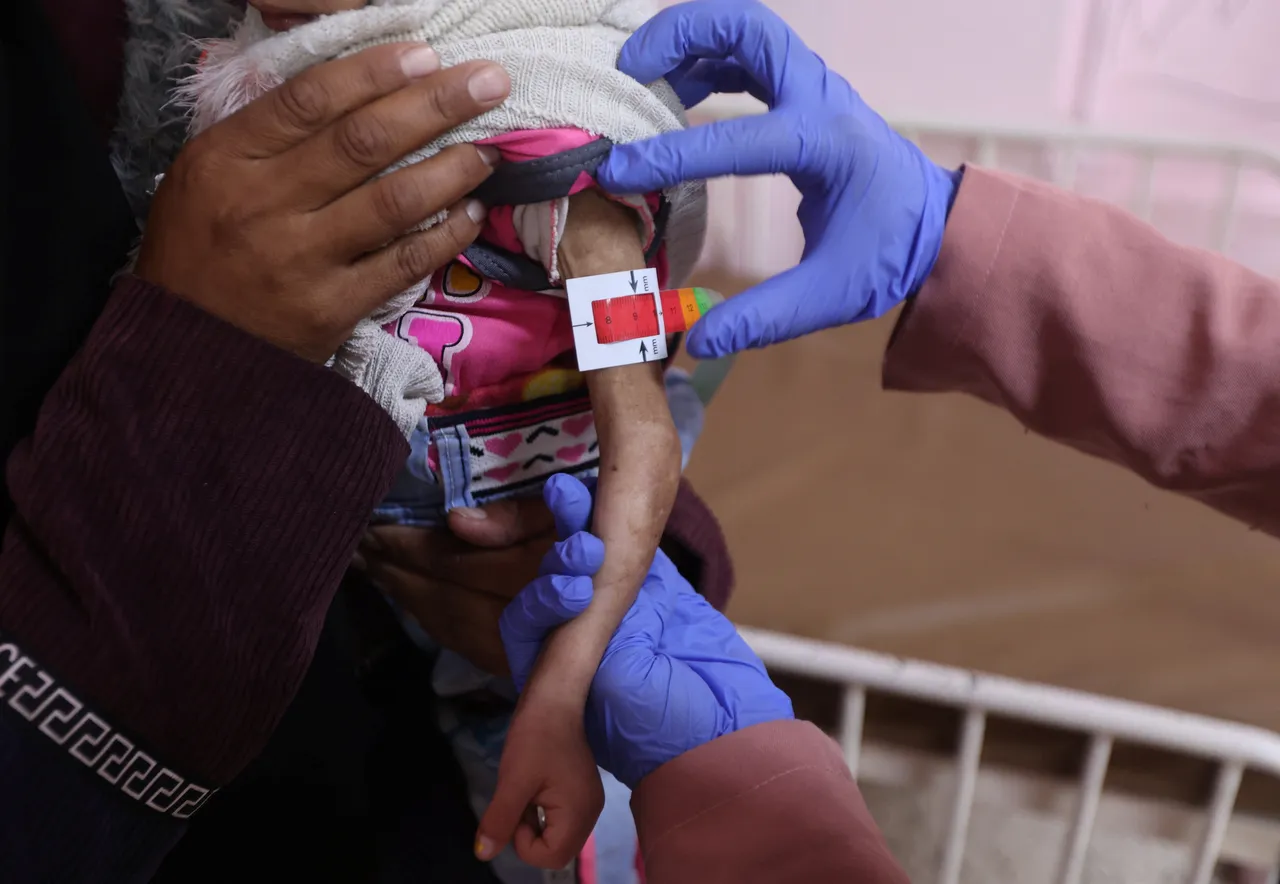
Gaza’s Health Ministry warned Sunday of a sharp drop in drug stocks across hospitals in the Palestinian enclave, saying shortages have reached 52 percent for medicines and 71 percent for medical supplies.
The warning followed a press conference held at al-Shifa Hospital in western Gaza City to highlight the grave consequences of dwindling pharmaceutical, medical and laboratory supplies.
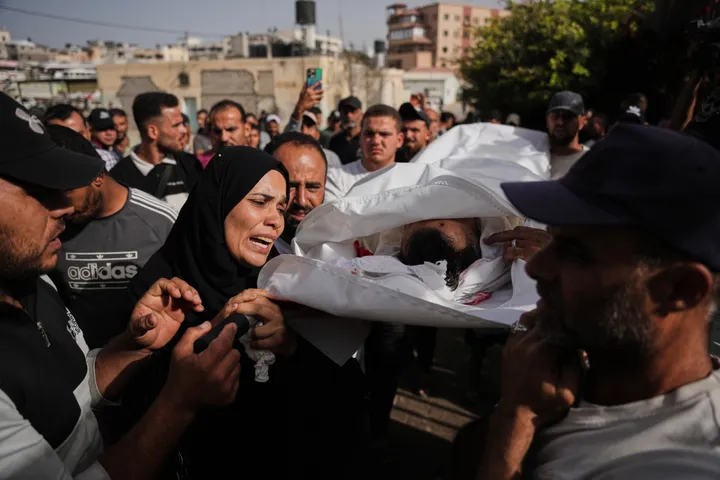
The health system is facing “an unprecedented and dangerous state of exhaustion” after two years of war and a tight blockade, which have severely reduced its ability to provide diagnostic and therapeutic services, the ministry said.
Detailing the shortfall, the ministry said stocks of 321 essential medicines have fallen to zero in its warehouses.
It said shortages affecting emergency and intensive care services stand at 38 percent, potentially depriving about 200,000 patients of emergency care, 100,000 patients of surgical services and 700 patients of intensive care.
Shortages in kidney care supplies have left 650 dialysis patients without access to treatment, it added, noting they require about 7,823 dialysis sessions each month.
It also said several cancer patients have died amid a 70 percent shortage in oncology medications, leaving about 1,000 patients without treatment.
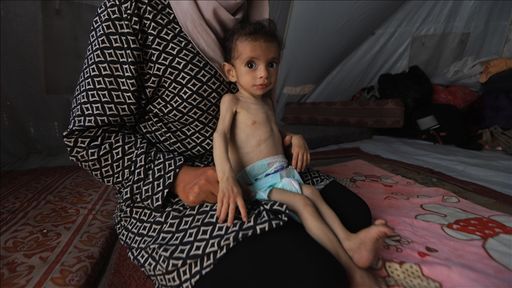
According to the ministry, 62 percent of primary health care medicines are unavailable, and existing supplies fall far short of meeting the needs of more than 288,000 patients.
The ministry warned that patients face serious health setbacks, including strokes and heart attacks, in cases where no diagnostic or therapeutic interventions are available, raising the risk of preventable deaths.
It also said cardiac catheterisation and open-heart surgery services have come to a complete halt due to a 100 percent shortage of the required medicines and medical supplies, adding that any limited catheterisation services still available are reserved for life-saving cases only.


The ministry also said 99 percent of scheduled orthopedic surgeries have been suspended due to the lack of bone fixation devices and other critical supplies needed for complex procedures.
It warned that specialised eye surgeries are also at risk of halting because of shortages in essential medicines and medical consumables, noting that eye care services are operating at a bare minimum.
Basic medicines required for initial eye examinations, including pupil-dilating drops used for retinal checks, are unavailable, the ministry added.
In addition, the ministry said 59 percent of essential laboratory tests are unavailable, including tests required for life-saving medical decisions, such as blood imaging, electrolyte analysis, blood typing, bacterial cultures and diagnostics for kidney failure patients.
Israeli restrictions
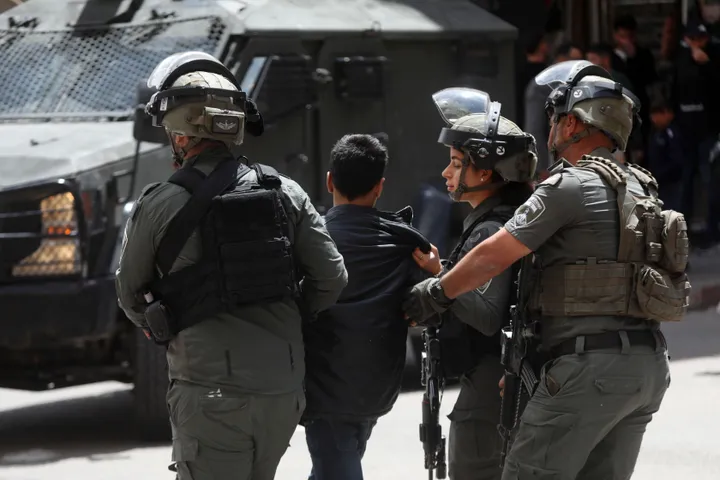
The ministry said the crisis is being compounded by Israel’s continued restrictions on medical aid deliveries, allowing in less than 30 percent of Gaza’s monthly medical truck needs. It said the supplies that do enter the enclave often fail to meet actual needs in terms of type and priority.
The ministry urged relevant international bodies to take urgent action to ensure the regular entry of medicines and medical supplies and to pressure Israel to allow full humanitarian access, warning that delays in replenishing drug stocks could push Gaza’s health system towards total collapse.
Israel has deliberately targeted Gaza’s health system during the two-year genocide by striking hospitals, medical facilities and drug warehouses, attacking medical staff and detaining some health workers, while blocking the entry of medicines and medical equipment.