 Noureldein Ghanem
Washington DC — The world anticipated a unique FIFA World Cup in North America to satisfy its appetite for football — dubbed the Beautiful Game — after a four-year wait.
The 2026 FIFA World Cup did produce a memorable football, but it also generated significant controversy. Refereeing decisions, political disputes, disciplinary incidents, ugly fights, dominated headlines alongside the action on the pitch.
The tournament's expansion to 48 teams, combined with the implementation of enhanced Video Assistant Referee (VAR) technology and the logistical challenges of hosting across three nations, created a series of flashpoints from the group stage through to the final.
Questionable use of VAR
Perhaps the central talking point throughout the tournament was the use of VAR.
Instead of resolving debate, the technology frequently became the focus of criticism. Players and managers repeatedly questioned extended reviews, marginal offside decisions, and inconsistent interpretations of handballs and fouls.
Key incidents included Iran's late winner against Egypt in the group stage being disallowed for a marginal offside, placing Iran in a precarious position before their eventual elimination.
Similarly, Croatia had a late equaliser disallowed against Portugal in the Round of 32 following a VAR review, eliminating them from the tournament.
Other contentious moments involved denied penalty appeals and marginal offside rulings affecting Ghana and Colombia.
Visa denials
Several administrative and diplomatic controversies emerged prior to and during the tournament.
Somali referee Omar Abdulkadir Artan, selected as the first referee from Somalia to officiate at a FIFA World Cup, was denied entry into the United States by Customs and Border Protection officials in Miami over alleged vetting concerns and was subsequently withdrawn.
FIFA confirmed he would receive his full assignment payment.
In other incidents, Iraqi striker Aymen Hussein and members of his delegation faced extensive questioning at Chicago O'Hare International Airport, resulting in a photographer travelling with the team being denied entry.
In Canada, authorities denied a visa application for Ghanaian midfielder Thomas Partey, forcing him to miss his team's opening match against Panama.
Folarin Balogun red card decision
A major controversy involved political intervention in a disciplinary ruling.
During the Round of 32, US striker Folarin Balogun received a red card for a serious foul against a Bosnian defender.
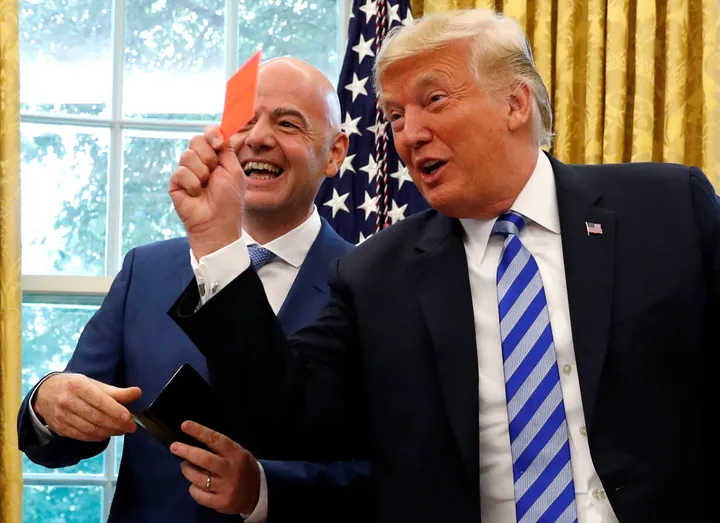
The following day, FIFA suspended the match ban, prompting criticism regarding the governance and independence of FIFA's disciplinary process.
Reports confirmed US President Donald Trump contacted FIFA President Gianni Infantino prior to the suspension.
Defending its decision, FIFA cited Article 27 of the FIFA Disciplinary Code, stating that the match suspension was put on probation for a period of one year.
Alleged bias towards Argentina
Following a disappointing performance in the final against Spain, Argentina's run through the tournament faced intense scrutiny, with critics alleging consistent officiating bias in favour of the South American side.
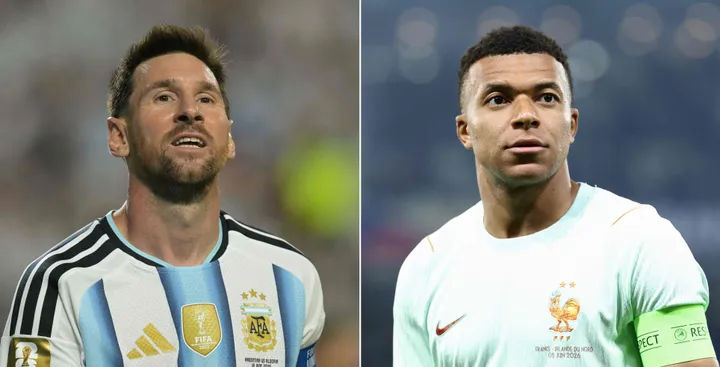
Controversy began during their opening match against Algeria, when Argentina captain Lionel Messi escaped disciplinary action following a heavy challenge on Aissa Mandi.



In a subsequent group stage match against Austria, an unreviewed foul in the build-up to an Argentine goal drew further criticism.
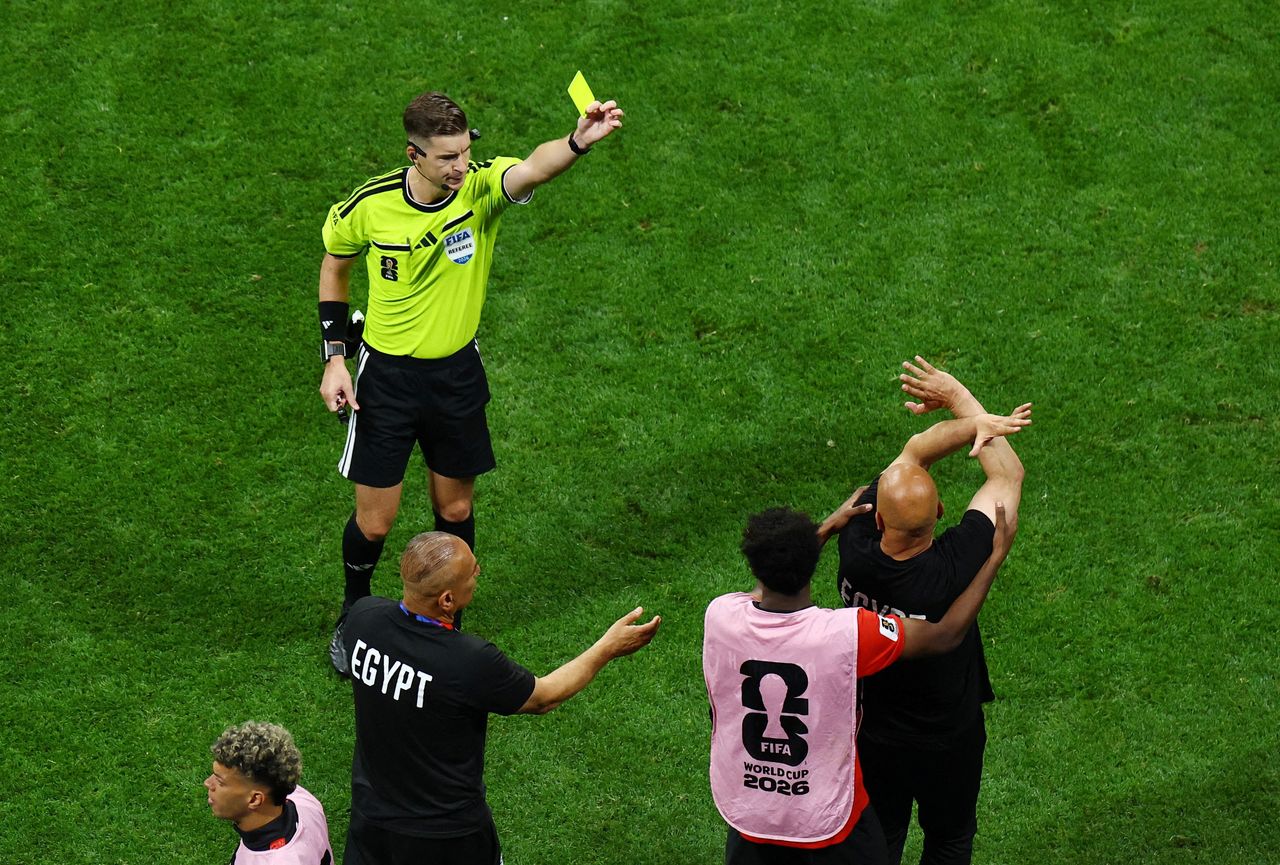
The debate intensified during the Round of 16 against Egypt, where an Egyptian goal was disallowed for a foul committed 20 seconds earlier on the opposite side of the pitch.
Later in the match, officiating staff declined to review a similar challenge in Argentina's penalty area prior to their winning goal.
Egyptian player Mostafa Zico and head coach Hossam Hassan publicly criticised the officiating following the match.
Further contested decisions occurred in the quarter-final against Switzerland, where a yellow card for Leandro Paredes was suspended while Swiss forward Breel Embolo received a red card, fundamentally altering the match dynamics.
The decisions prompted widespread discussion among analysts and social media commentators.
Introduction of mandatory hydration breaks
The implementation of mandatory hydration breaks drew mixed reactions.
While introduced ostensibly for player welfare, critics argued the pauses were utilised primarily for tactical coaching interventions and disrupted match continuity.
Supporters and commentators also voiced concern over the commercialisation of the breaks and their mandatory enforcement regardless of environmental conditions, arguing the format altered the traditional structure of the game.
Logistical constraints on Iran's national team
Diplomatic and logistical decisions significantly impacted Iran's World Cup campaign.
While players and technical staff were granted entry to the United States, several Iranian officials and support personnel were denied visas.
Furthermore, the team was required to base its headquarters in Tijuana, Mexico, necessity cross-border travel into the US shortly before matches and immediate departure following full-time.
Head coach Amir Ghalenoei stated the constant travel severely disrupted recovery, training, and operational preparations.
On-pitch brawl right after the final whistle
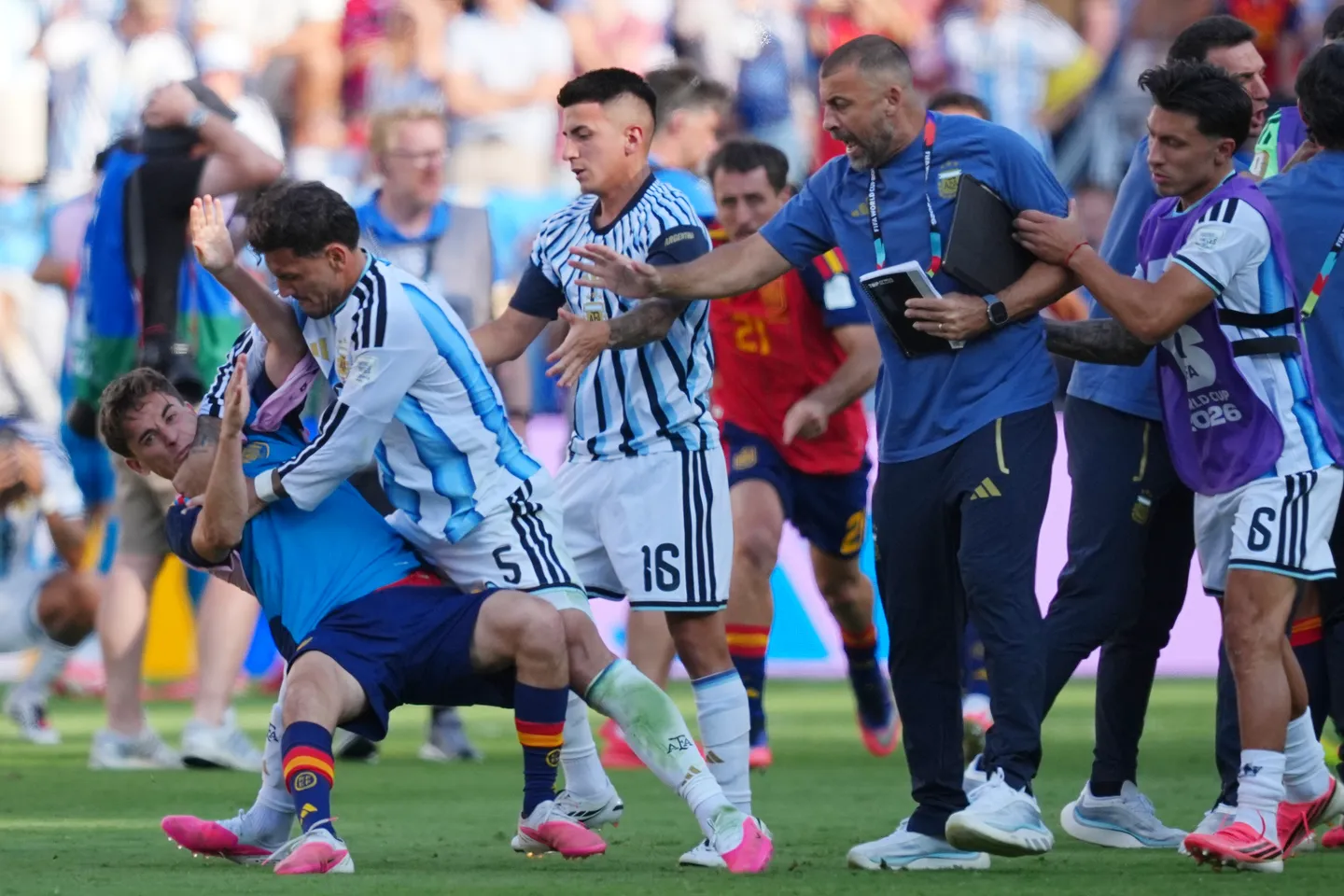
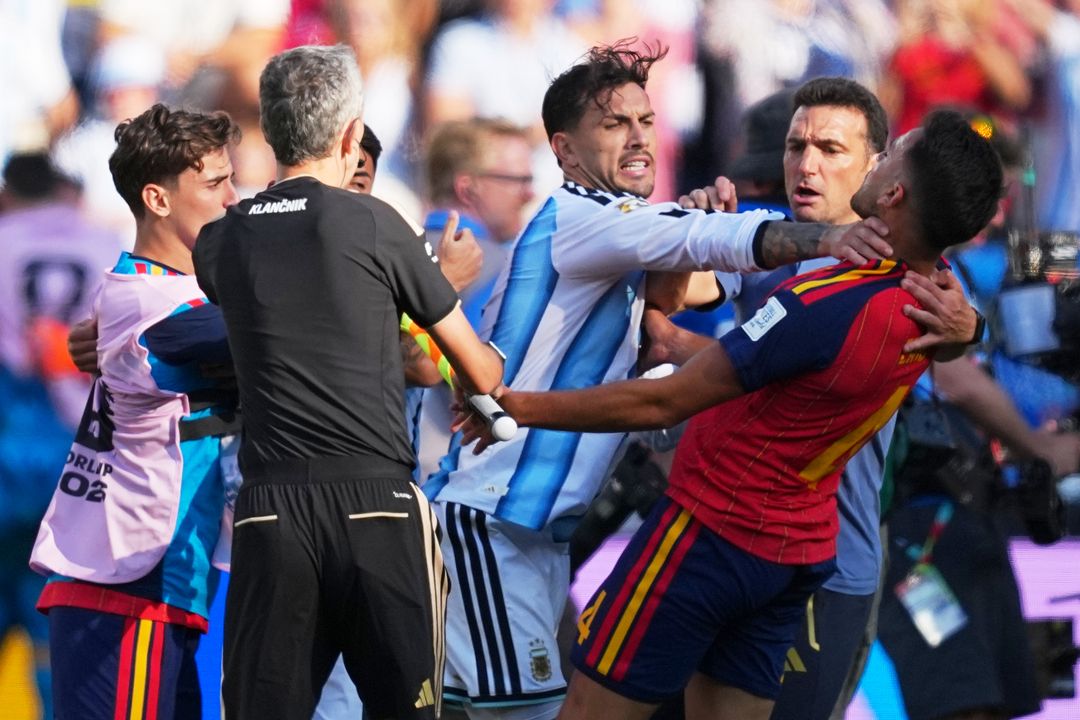
As Spanish players and staff rushed onto the pitch at MetLife Stadium to celebrate, chaos quickly erupted with several Argentina players.
Substitute Nahuel Molina appeared to swing at or strike Spain captain Rodri as he ran past.
Midfielder Leandro Paredes grabbed Spain defender Eric García by the throat/neck, kicked out at him, and was heavily involved in the melee.
Paredes then wrestled Spain’s Gavi to the ground and shoved him in the face.
Further scuffles broke out involving Argentina’s Thiago Almada and staff members. Assistant coach Roberto Ayala was reportedly seen swinging at Spain’s Dani Olmo.
Paredes was later issued a post-match red card for violent conduct.
Argentina players also turned their backs during Spain’s trophy lift, an act widely viewed as poor sportsmanship.
FIFA has launched an investigation into the incidents for potential violent conduct breaches. The probe could result in suspensions for players and staff, along with fines for the Argentine Football Association.