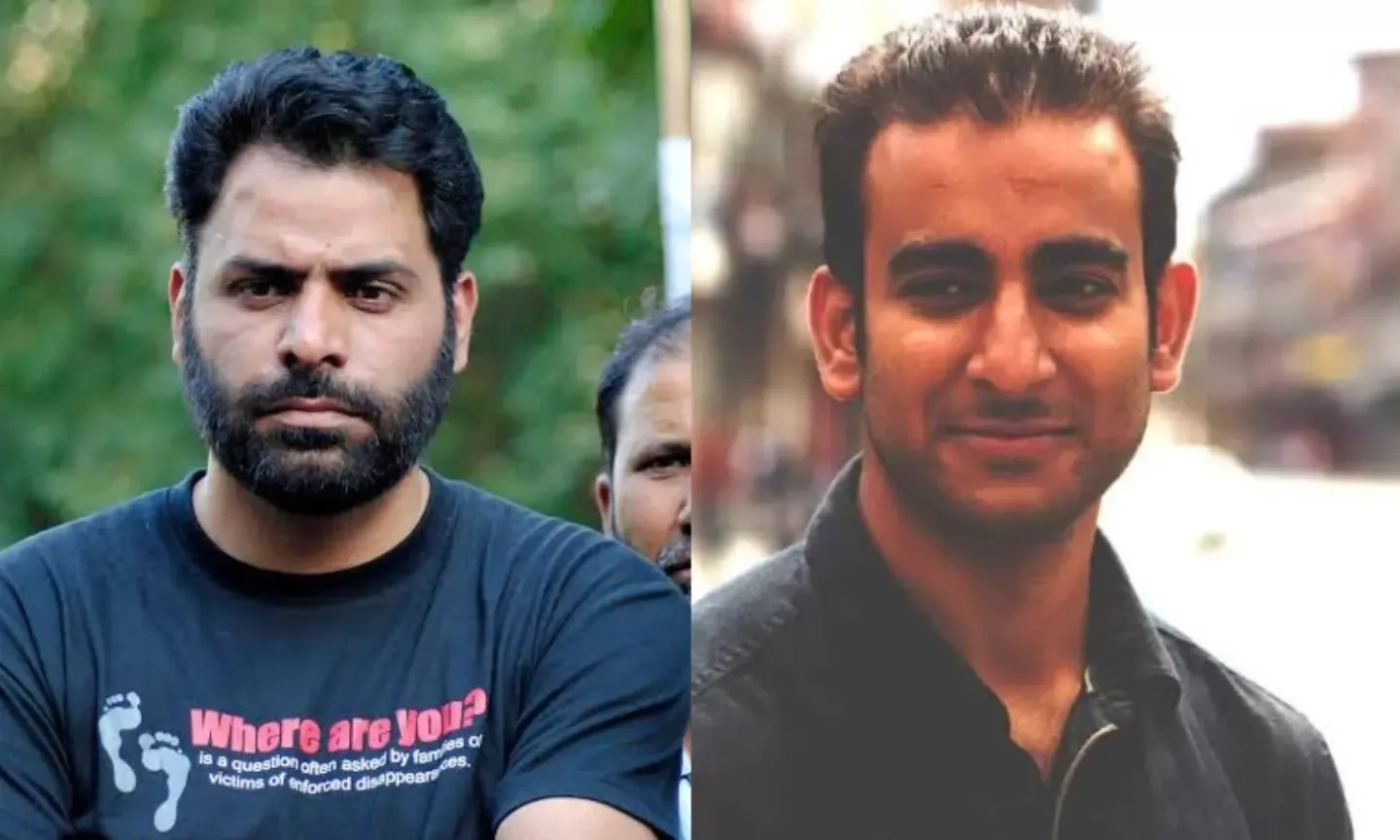
A prominent Kashmiri human rights activist and a renowned journalist have been released on bail after years of imprisonment on what the rights groups say are trumped-up "terror funding" charges in the highly militarised Indian-administered Kashmir.
Rights activist Khurram Parvez and independent journalist Irfan Mehraj were seized in 2021 and 2023 respectively, under India's draconian terror laws. Parvez spent 1,703 days in Indian custody, while Mehraj remained in Indian jail custody for 1,219 days.
Despite their release from a New Delhi jail late on Wednesday, both remain under tight court-imposed restrictions as Indian federal counter-terror agency seeks to reverse the ruling.
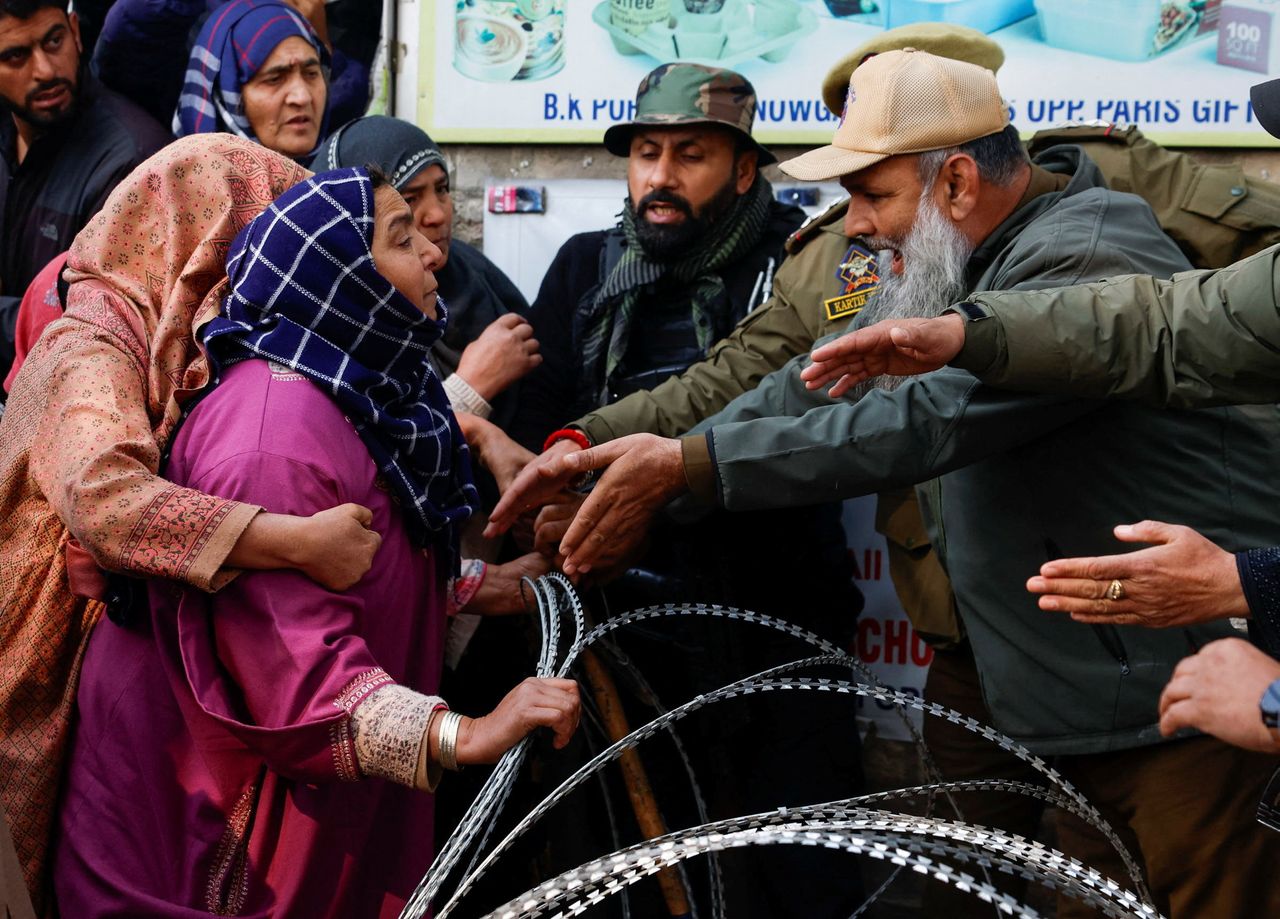
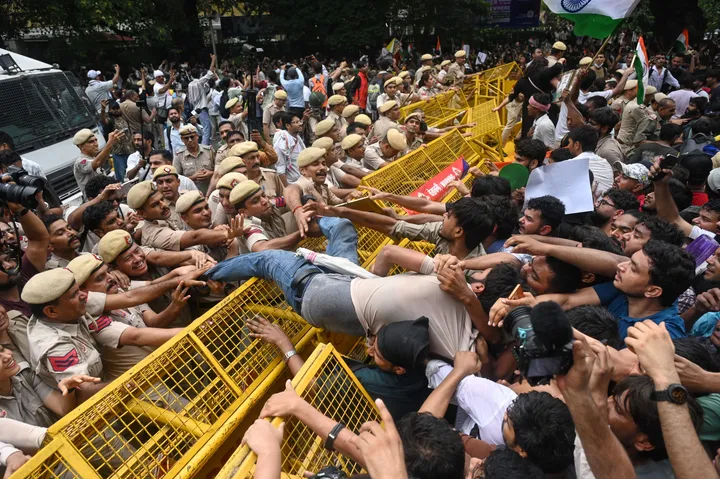
The Indian government has increasingly cracked down against rights activists, journalists and dissidents in Kashmir under stringent anti-terror laws, particularly after August 2019, when India scrapped the region's special status and annexed it.
Last week, a lower court in India allowed the two men to be released on bail, but India's National Investigation Agency appealed the decision.
The Delhi High Court refused on Tuesday to suspend the release order but imposed tougher restrictions on their movements and activities while it hears the agency's appeal.
They have to arrange for their stay in the capital, where they are facing trial, and cannot travel to Kashmir, according to a court document seen by the AFP news agency.
International human rights groups, including the United Nations' human rights body, have consistently sought their release, saying that they were jailed for their work.
In 2023, the UN Working Group on Arbitrary Detention said Parvez’s arrest was an "act of reprisal for his human rights work, and an attempt to silence him and Kashmiri civil society as a whole".
Parvez has long been associated with noted rights group the Jammu and Kashmir Coalition of Civil Society, or JKCCS, where Mehraj assisted as a researcher.
Both have been internationally recognised for their work.
Khurram also chairs the Asian Federation against Involuntary Disappearances (AFAD), serves as FIDH Deputy Secretary-General and is a laureate of the 2023 Martin Ennals Award.
Irfan is a well-regarded independent journalist contributing to Kashmiri, Indian and international media. He founded Wande Magazine and serves as an editor at TwoCircles.net.


Endemic use of torture, Kashmir mass graves
The National Investigation Agency alleges the two used the group to fund rebel-linked activities and promoted a pro-freedom agenda. The two deny the allegations against them.
The JKCCS has released reports about what it calls the endemic use of torture by some of the hundreds of thousands of Indian troops in Kashmir, highlighting their expansive powers granted that have led to a culture of impunity and widespread rights abuses.
The group has been vocal about thousands of unmarked and mass graves in border areas suspected of holding remains of some of the victims of enforced disappearances in the disputed region.
Following their release, the Paris-based International Federation for Human Rights and the World Organization Against Torture said in a statement the two men were arrested on "trumped-up charges."
They also called on Indian authorities to drop all charges against them "as they are part of politically motivated proceedings aimed at discrediting their legitimate work and the JKCCS."
The case proceedings against the two will continue in the coming weeks.

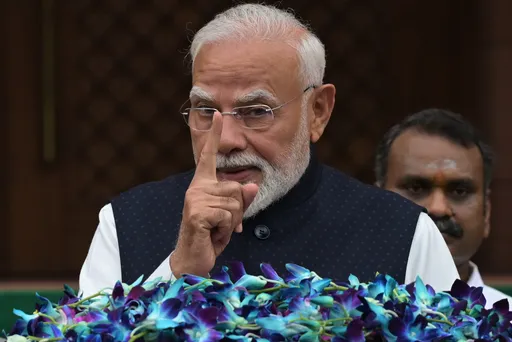
Several journalists in India-administered Kashmir say they have been subject to harassment and arrests since Hindu nationalist Prime Minister Narendra Modi's government annexed the region in 2019 and began ruling it from New Delhi.
Between 2019 and 2023, more than 3,600 people have been arrested there under anti-terror laws, with more than half of them still in prison, according to Indian government figures.
The disputed Kashmir region has suffered decades-long conflict with both India and Pakistan claiming the Himalayan region in its entirety.
Rebels in the Indian-controlled portion of Kashmir have been fighting New Delhi’s rule since 1989, with many Muslim Kashmiris supporting their goal of either uniting the territory under Pakistani rule or becoming an independent country.
India has stationed more than 500,000 troops in the region, making it one of the most militarised areas on the planet.