 Sadiq S Bhat
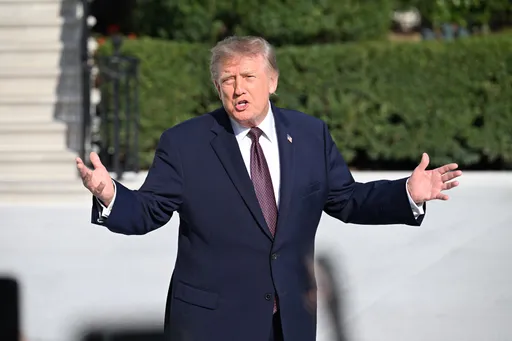
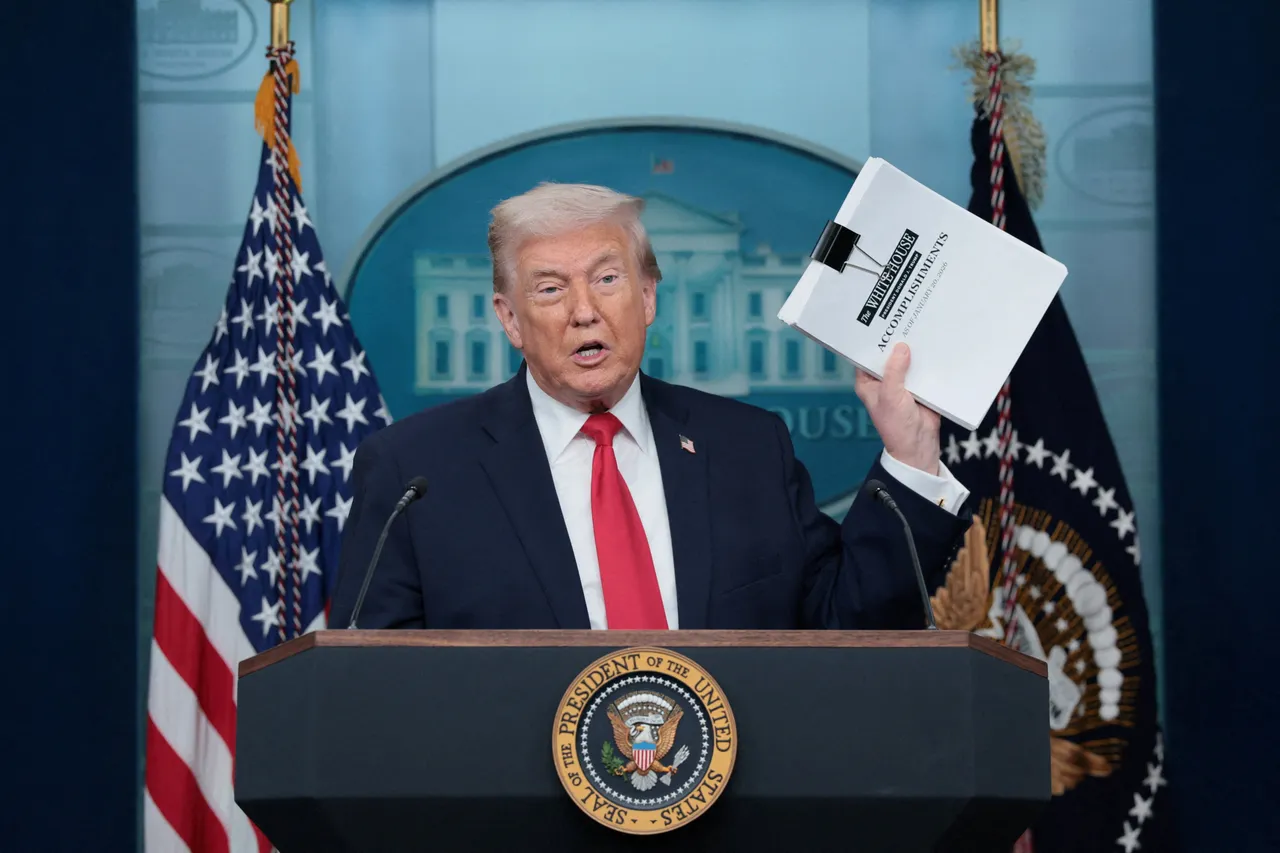
Washington, DC — As President Donald Trump marks the first anniversary of his return to the White House, the US looks markedly different from the one he inherited a year ago.
This isn't like the presidency of his first term. Instead, Trump has governed with a sharper focus, leveraging a Republican-controlled Congress and a team of trusted allies to push through sweeping changes.
What critics decry as an erosion of norms in the US, supporters hail as a restoration of American strength.
Here are five ways his administration has already altered the country's course.
Tightening the borders
Gone are the improvisational border measures of 2017. This time, Trump moved methodically, signing executive orders on Day 1 to expand deportation operations and reinstate elements of Remain in Mexico-style policies.
Backed by increased funding for Immigration and Customs Enforcement, the administration has seen deportations reach over 600,000 through formal removals, with DHS claiming more than 2.5 million "illegal aliens" have left overall when including self-deportations via incentives like the CBP Home app.
Independent analyses from the New York Times, the Migration Policy Institute, and Transactional Records Access Clearinghouse (TRAC), however, place confirmed deportations lower, at roughly 230,000 to 540,000, including border returns.
Border crossings have plummeted to lows not seen in decades, according to Customs and Border Protection data, though humanitarian groups warn of family separations, strained asylum systems, and record detention levels.
Tariffs and tax overhauls
Trump's economic playbook feels more calibrated now, with tariffs on Chinese imports starting at 10 percent and escalating through negotiations to effective rates around 10–30 percent on many goods after truces and pauses (including a fentanyl-related category reduced to 10 percent).
Coupled with extensions of his 2017 tax cuts (now further tilted toward corporations and high earners via major legislation) the moves have spurred some manufacturing gains in Rust Belt states, though job creation has been mixed amid higher costs in certain sectors.
Inflation has ticked up modestly in areas affected by trade shifts, but stock markets have shown resilience, rewarding investors.
Detractors point to elevated consumer prices and supply chain disruptions, yet the president's confidence in "America First" trade has redefined global supply chains, pulling some production back home and challenging free-trade orthodoxies.
Resetting foreign policy
The impulsive summits of old have given way to strategic manoeuvring.
Trump has pressed for a Ukraine ceasefire, criticising Zelenskyy as less ready for a deal than Putin while advancing US-led proposals including security guarantees and monitoring mechanisms, though no formal agreement has materialised, and the war grinds on amid Russian demands for territorial concessions.




In the Middle East, the Trump administration has secured a ceasefire in Gaza, though violations by Israel have persisted.
This realignment has isolated adversaries further in some areas, with new pressures on Iran (heightened geopolitical tensions) and Venezuela (abduction of Maduro), but it has strained trans-Atlantic ties.
Trump has aggressively revived his push to acquire Greenland from Denmark, citing critical national security needs in the Arctic to counter Russian and Chinese influence and bolster defenses like his proposed "Golden Dome" system.
He has threatened escalating tariffs (starting at 10 percent on February 1 and rising to 25 percent on June 1) on imports from eight NATO allies (Denmark, Norway, Sweden, France, Germany, the UK, the Netherlands, and Finland) unless they agree to a deal for U.S. control of the island, while refusing to rule out force.
This approach has provoked sharp backlash from European leaders and EU preparations for retaliatory measures.
Dismantling administrative state
Perhaps the most systemic shift has come in Trump's war on the "deep state." On Day 1, he reinstated Schedule F (renamed Policy/Career) via executive order, reclassifying thousands of federal employees in policy-influencing roles to make them easier to fire and replace with appointees.
Agencies like the Environmental Protection Agency and the Justice Department have seen the firing of career officials, replaced by those aligned with the president's agenda.
This has accelerated deregulation, rolling back dozens of prior-era rules on climate and labour.
While efficiency has improved in some areas, such as faster energy permitting, watchdogs warn of politicised governance.
Domestic production and culture wars
Trump's energy independence push has been executed with precision, approving pipelines and offshore drilling permits at a rapid pace.
Under Trump 2.0, the US Oil and gas output has hit new highs, lowering some energy costs but clashing with global climate goals.
Washington withdrew from the Paris Agreement again on Day 1 of Trump’s second term, with the formal exit occurring after the required one-year period in early 2026.
On the cultural front, the administration has embedded conservative priorities into education and media, defunding programmes deemed "woke" and promoting school choice vouchers.
These measures have invigorated his base and reshaped public discourse and institutional priorities, even as they have sharpened national divisions.