 Sadiq S Bhat
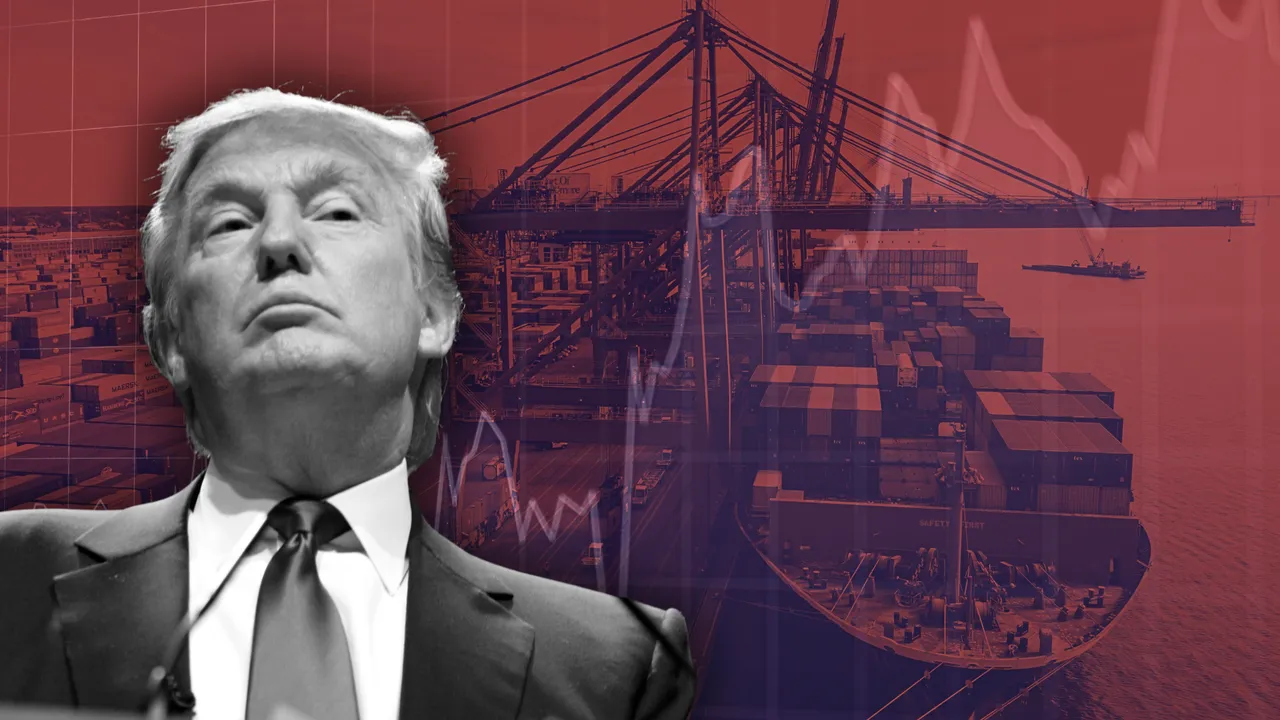
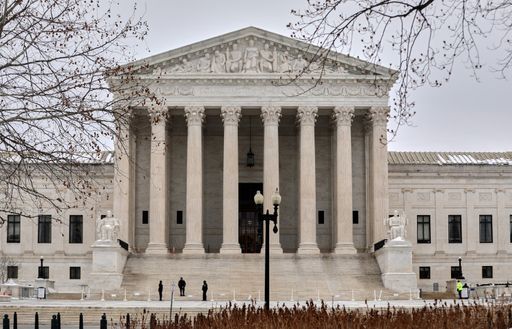
Washington, DC — In a landmark ruling, authored by Chief Justice John Roberts, the US Supreme Court delivered a stunning rebuke to Donald Trump, saying the US President exceeded his authority under the International Emergency Economic Powers Act (IEEPA) by imposing tariffs without explicit congressional approval.
Friday’s decision invalidates tariffs that targeted US allies like Canada and Mexico, as well as broader "reciprocal" duties on a host of countries around the world, including top trading partners like China.
The financial fallout is immense. Economists estimate the tariffs, in place for over a year, have generated billions in revenue but at the cost of higher prices for everyday goods like groceries, cars, and furniture.
With the decision, importers who paid the duties — often passed on to consumers —could now seek refunds, potentially exceeding $150 billion based on trade data and ongoing lawsuits from companies.
Trump’s backup plan
"Today's biggest victors are the small businesses that don't have the lawyers, lobbyists, buying power, etc to weather these erratic new taxes. Now, the government needs to GIVE THEM THEIR MONEY BACK without forcing them go to court and fight a fight they can't afford," said Scott Lincicome, vice president of general economics at the Cato Institute.
He cautioned, however, that "there’s much more work to be done" to unwind the broader tariff regime, as separate levies under Sections 301 and 232 — such as those on steel and aluminum — remain unaffected.
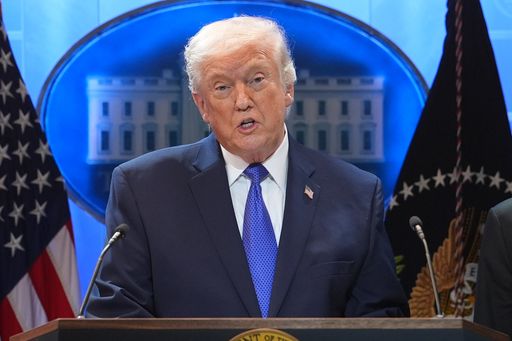
Trump responded defiantly to the ruling. Informed of the decision during a private breakfast meeting with governors at the White House, he reportedly called it “a disgrace” aloud before leaving the room shortly after.
In a subsequent White House news conference, he branded the decision "deeply disappointing" and a "disgrace to our nation," expressing shame over "certain justices"—some of whom he appointed during his first term — for lacking "the courage to do what’s right for our country."
Trump announced plans to impose a new temporary 10 percent global tariff under alternative authorities, such as the Trade Act of 1974, vowing to use "other alternatives" and a "backup plan" to bypass the court’s restrictions.
"The good news is there are methods, practices, statutes and authorities... that are even stronger than the IEEPA tariffs," he declared, insisting the trade battles are "far from over" and that foreign countries celebrating the ruling "won’t be for long."
Check on executive overreach
Democrats erupted in celebration, framing the ruling as a check on executive overreach and a boon for working families burdened by what they called Trump’s "illegal tax."
Senate Minority Leader Chuck Schumer declared it "a victory for the wallets of every American consumer," adding, "Trump’s illegal tariff just collapsed — He tried to govern by decree and stuck families with the bill. Enough chaos. End the trade war."
California Governor Gavin Newsom amplified the call for refunds, posting: "Donald Trump has been illegally taxing your groceries, furniture, and cars for over a year. Time for a refund."
He labelled the tariffs an "illegal cash grab that drove up prices and hurt working families."
Senator Elizabeth Warren celebrated the decision as a major win against executive overreach.
"No Supreme Court decision can undo the massive damage that Trump’s chaotic tariffs have caused," Warren wrote on social platform X.
"The American people paid for these tariffs and the American people should get their money back."
Even some former Trump allies broke ranks. Former Vice President Mike Pence praised the decision as a "victory for the public, the separation of powers... and free trade."
Republican Suzan DelBene emphasised that Trump "is not a king" and his "tariffs were always illegal."
'Victory for US Constitution'
Republicans rallied in defence, with House Speaker Mike Johnson acknowledging the tariffs’ success in generating revenue and creating leverage, but noting Congress and the administration would determine the path forward.
Experts and commentators weighed in heavily on the issue.
Georgetown Law Professor Jennifer Hillman described it as a "victory for the US Constitution."
Conservative voices echoed Trump’s frustration, with some urging alternative strategies.
On the international front, leaders reacted with cautious optimism. Ontario Premier Doug Ford took to X to react to the news of the tariff, and called the decision an "important victory."
"Today’s US Supreme Court decision is another important victory in the fight against President Trump’s tariffs, but the battle isn’t over yet," said Ford.
"Uncertainty remains high for German enterprises doing business in the US," said the German Chamber of Commerce and Industry.
"Because there are other instruments for trade limitations in the hands of the US administration that German companies must prepare themselves for."
Trump could resort to laws permitting more targeted tariffs that could hit pharmaceuticals, chemicals and auto parts, said Carsten Brzeski, global head of macro at ING bank: "Europe should not be mistaken, this ruling will not bring relief. ... The legal authority may be different, but the economic impact could be identical or worse."
Brazil’s Vice President and Industry Minister Geraldo Alckmin, said the ruling "strengthens the trade negotiations between his country and the US," but added the two "will carry on with their dialogue" on the tariffs.
"The 10 percent (tariffs imposed later) are for all. We don’t lose competitiveness if it is 10% for all. What was happening was Brazil getting a 40% tariff that no one else had," the Brazilian said.
Meanwhile, as refund claims mount and markets adjust, the ruling clearly underscores tensions in the US between executive power and constitutional limits.
For now, the tariff saga continues, with Trump’s promised countermeasures keeping the issue front and centre.