 Syed Unns
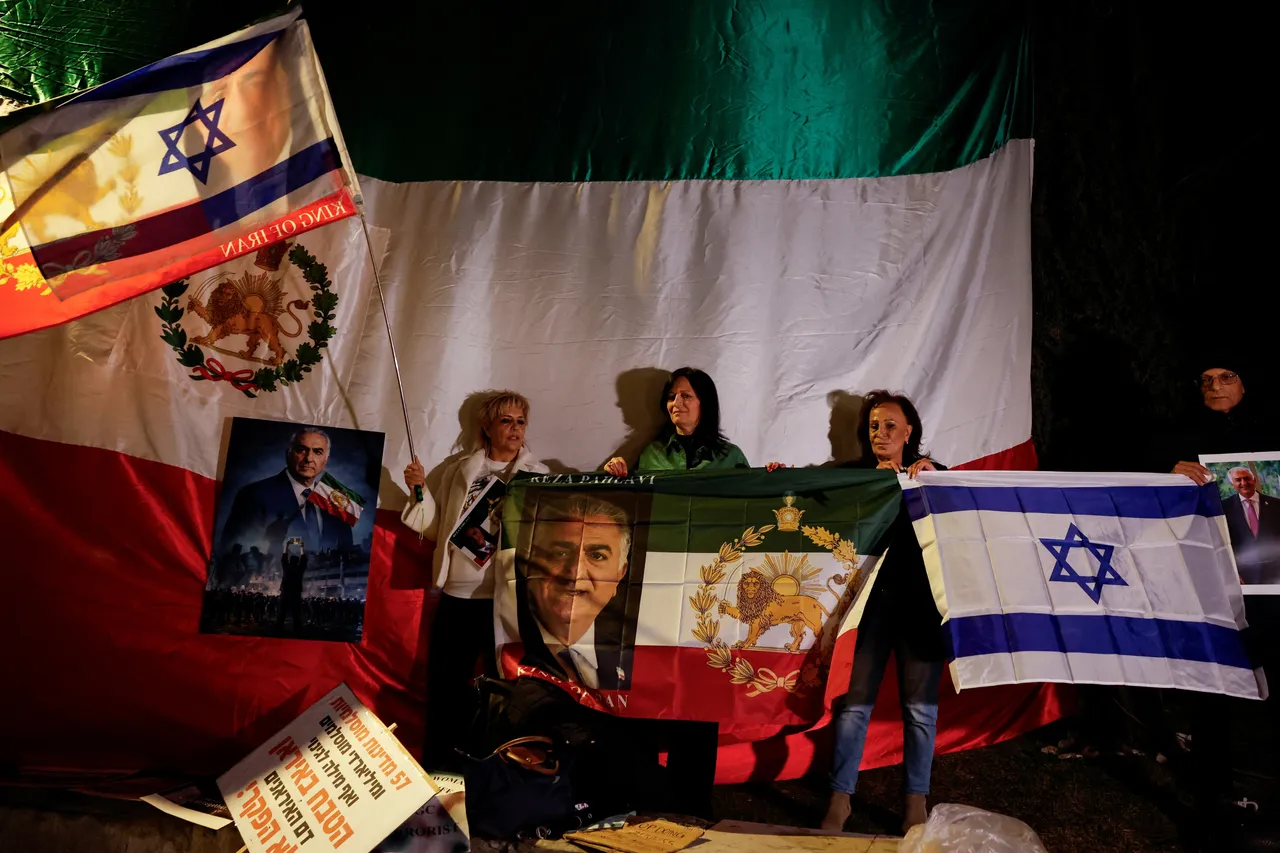
As widespread protests convulse Iran, Israeli officials and right-wing Western media and celebrities have abruptly discovered a deep concern for Iranian human rights, women’s freedom, and civilian suffering.
Statements of solidarity circulate widely, op-eds frame Israel as a moral ally of Iranian protesters, and television panels speak earnestly about the need to “stand with the Iranian people”.
Coming from the same actors who justified, downplayed, or ignored Israel’s devastation of Gaza — and who continue to remain largely silent about daily violence in the occupied West Bank — this sudden moral awakening rings profoundly hollow.
There is no denying that Iranians have legitimate grievances. Economic collapse, corruption, and shrinking civic space have driven repeated waves of protest over the past decade. These realities deserve serious attention and honest reporting.
But when Israel — a state documented by major human rights organisations as committing war crimes and crimes against humanity — positions itself as a global champion of freedom, the contradiction is impossible to ignore.
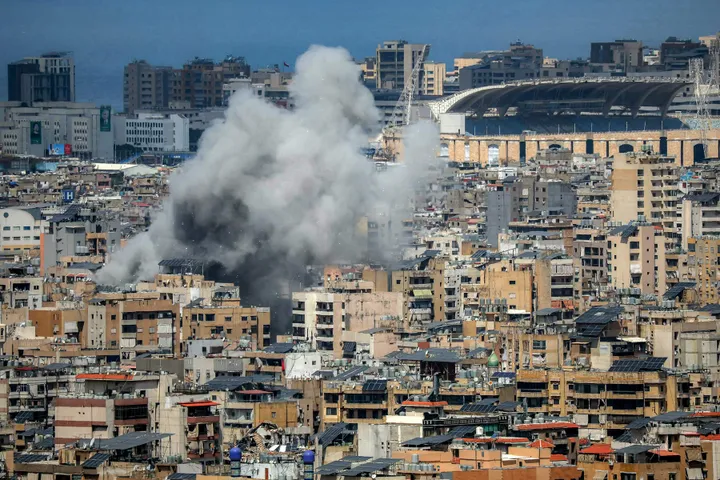
In Gaza, entire neighbourhoods have been erased. Tens of thousands of civilians have been killed, the majority of them women and children. Hospitals, schools, journalists, refugee camps, and aid workers have all been targeted.
In the occupied West Bank, military raids, settler violence, land seizures, and extrajudicial killings are routine.
Yet the same media outlets and political figures now amplifying Iranian protests either defended this violence as “self-defence” or treated Palestinian deaths as an unfortunate abstraction — if they acknowledged them at all.
Netanyahu’s moral theatre
This hypocrisy was laid bare when Israeli Prime Minister Benjamin Netanyahu declared that he strongly condemns the mass killing of innocent civilians — referring to Iranian protesters.
Coming from the leader of a government overseeing one of the deadliest assaults on civilians in modern Middle Eastern history, the statement bordered on the surreal.
Under Netanyahu’s leadership, Gaza has been subjected to relentless bombardment, with civilian casualties dismissed as collateral damage and accountability systematically avoided.
In the occupied West Bank, Palestinians are killed with near-total impunity. Yet when civilians are killed in Iran, Netanyahu suddenly adopts the language of humanitarian outrage.
The message is clear: civilian lives are not universally sacred — they are politically conditional.
Iranian deaths are elevated because they serve Israel’s narrative against Tehran; Palestinian deaths are minimised because they challenge Israel’s image.
Israel’s engagement with Iran’s protests is not rooted in solidarity with Iranian society. It is rooted in long-standing geopolitical hostility.



For years, Israeli leaders have openly advocated regime change in Tehran, promoted crushing sanctions that have devastated Iran’s economy, and framed Iranian suffering as a strategic opportunity.
Today’s concern for Iranian civilians fits neatly into that agenda.
By spotlighting the protests in Iran while erasing Palestinian suffering, Israel and its allies attempt to redraw the moral landscape of the region: Iran becomes the singular villain, Israel the embattled democracy, and Palestinian lives an inconvenient footnote.
This is not human rights advocacy. It is the instrumentalisation of human rights language.
The hypocrisy is reinforced by right-wing Western media, particularly in the US and Europe. During Israel’s genocide on Gaza, many of these outlets: questioned Palestinian death tolls while repeating Israeli military claims without scrutiny; portrayed civilian massacres as tragic necessities; attacked journalists, UN agencies, and human rights organisations documenting abuses; and framed ceasefire demands as radical or extremist.
Now, the same voices speak passionately about Iranian women’s rights and protester deaths — suddenly fluent in the language of international law and civilian protection.
Human rights, it seems, matter only when they can be used against official adversaries.
Human rights cannot be conditional
There is also a deeper insult embedded in this narrative: the assumption that Iranian protesters require foreign moral sponsors.
Iranians are not protesting to please Tel Aviv or Western cable news. They are not demanding alignment with Israel, nor inviting foreign powers to shape their political future.
Like Palestinians, they are seeking dignity, economic justice, and agency over their own lives.
Reducing Iranian protests to a propaganda tool strips them of meaning — just as Palestinian suffering has long been reduced to a security problem rather than a human one.
If concern for Iranian human rights were sincere, it would come paired with equal outrage over Gaza.
If civilian lives truly mattered, compassion would not stop at Israel’s borders. If freedom were universal, it would not be distributed according to geopolitical convenience.
Until Israel and its media allies confront their own record — in Gaza and the occupied West Bank — their lectures on freedom elsewhere will remain what they are: hypocrisy masquerading as principle