 Zeynep Conkar
Australia is preparing to host a foreign head of state while being formally asked to investigate him for genocide-related offences. This collision will reveal whether the country's universal jurisdiction laws mean anything at all.
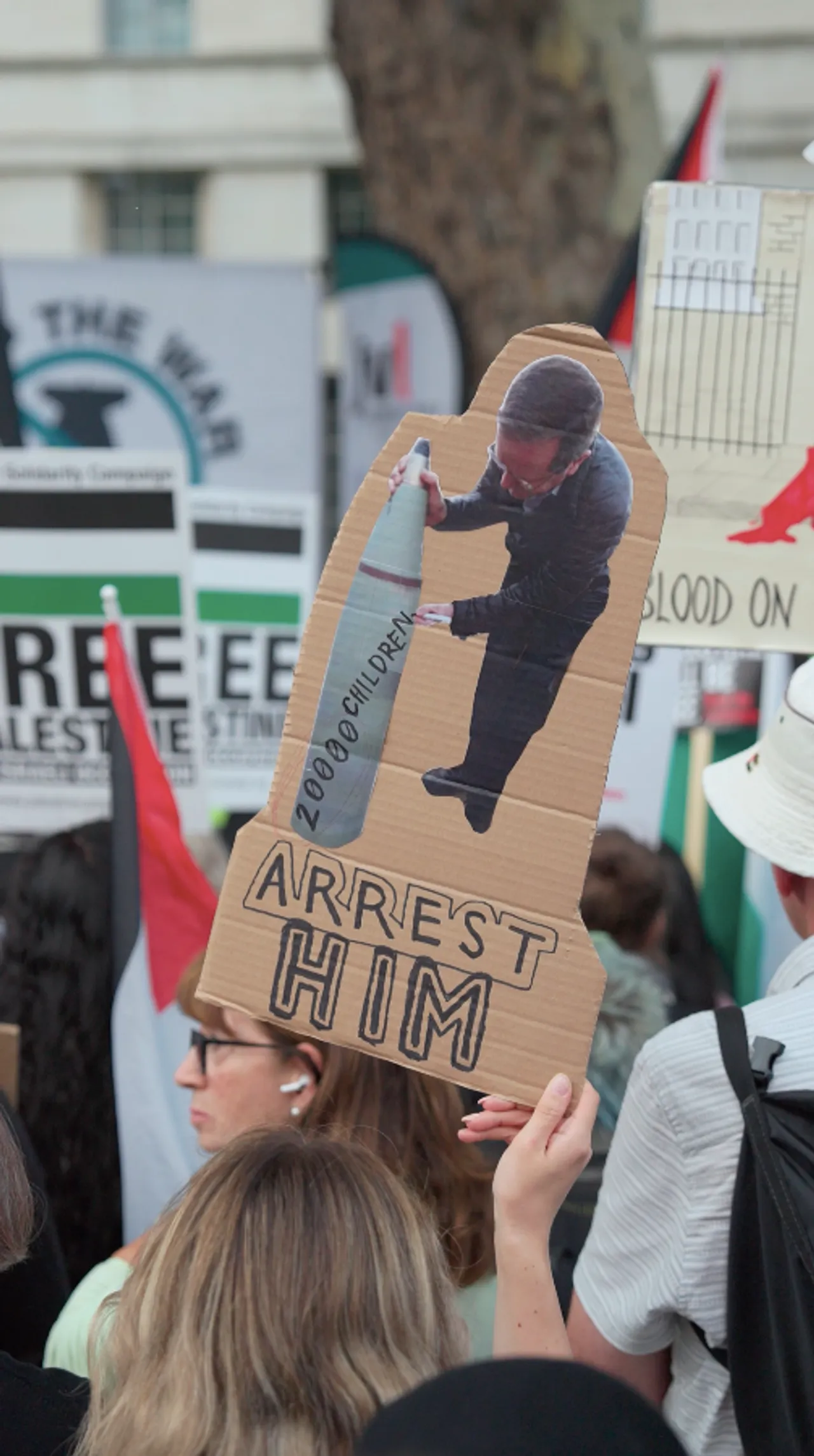
Three prominent legal organisations have asked the Australian Federal Police (AFP) to investigate Israeli President Isaac Herzog before his planned February visit to Sydney.
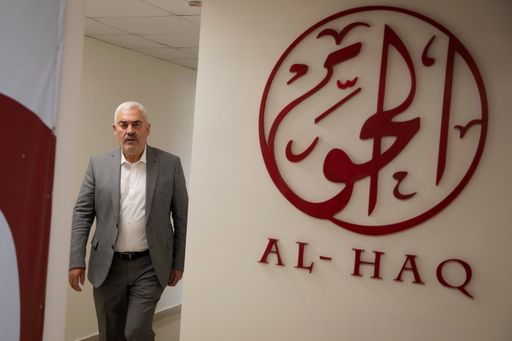
What the Australian Centre for International Justice, Al-Haq, and the Al Mezan Centre for Human Rights are doing is not a symbolic complaint. They're invoking Australian laws that allow prosecution of genocide-related crimes no matter where they happened or who committed them – a principle known as universal jurisdiction.
If those laws are enforced, Herzog's visit ceases to be a ceremonial trip and becomes something else entirely.
Here's what matters: Australia's Commonwealth Criminal Code makes incitement to genocide and advocacy of genocide criminal offences.
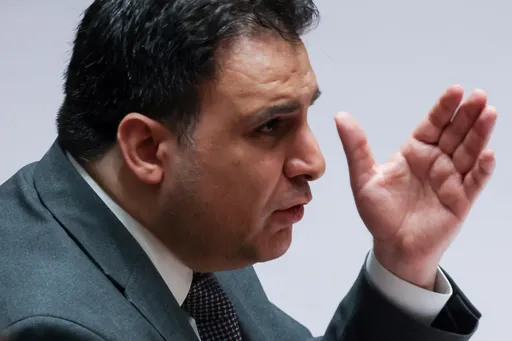
Australia’s criminal code allows authorities to pursue incitement to genocide regardless of where it occurs, according to an Al-Haq spokesperson Zainah El-Haroun, challenging the assumption that distance offers legal protection.
“When the UN Commission of Inquiry has concluded that Israeli President Isaac Herzog has incited the commission of genocide, Australia has a responsibility to act in accordance with its domestic law and its international legal obligations, including under the Genocide Convention,” El-Haroun tells TRT World.
“These obligations require states not only to punish genocide, but to take steps to prevent it, and to ensure that Australian territory and institutions are not used to legitimise, excuse, or provide impunity for international crimes,” she adds.
The conduct doesn't need to have happened in Australia. The accused doesn't need to be Australian. The victims don't need to be Australian.
That's universal jurisdiction. Australia wrote these laws to meet its obligations under the Genocide Convention and the Rome Statute. They apply to international crimes as such, regardless of any connection to Australia, although enforcement remains at the discretion of Australian authorities.
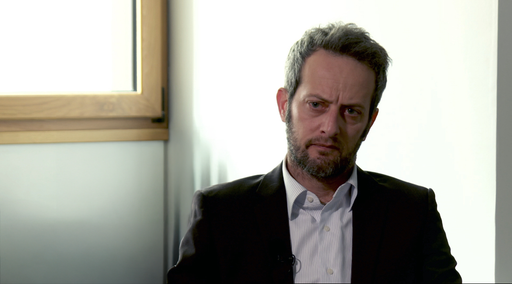
The groups submitted a 10-page brief laying out allegations based on a UN Commission of Inquiry report. That report found reasonable grounds to conclude that statements Herzog made in October 2023, including his claim that "an entire nation" bore responsibility for the October 7 attacks, constituted direct and public incitement to commit genocide.
Under international law, genocide doesn't need to have occurred for incitement to be prosecutable. The incitement itself is a crime.
Among Benjamin Netanyahu and others, Herzog also faces similar allegations at the International Criminal Court, where Dr. Omer Shatz, a France-based international lawyer, filed a 170-page submission accusing Herzog and seven other Israeli officials of this crime.
Shatz's case argues that incitement to genocide should be treated as a fifth independent crime at the ICC, distinct from the usual four: aggression, genocide, war crimes, and crimes against humanity. Unlike other international crimes that require proof of an underlying offence, incitement stands alone and can be prosecuted even if genocide itself cannot be proven.
"No person, a head of state or otherwise, should be immune from facing accountability for such serious and credible allegations," said Rawan Arraf, Executive Director of the Australian Centre for International Justice.
“Australia has binding obligations under the Genocide Convention and the Rome Statute to investigate and prosecute serious international crimes."
Immunity doesn't cover genocide
Herzog is the sitting head of state, which would typically grant immunity from foreign prosecution.
But the groups argue that protection doesn't apply to genocide or incitement to genocide; these crimes violate what international law calls jus cogens norms, peremptory principles so fundamental that they bind all states without exception and can't be overridden by treaties or immunity claims.
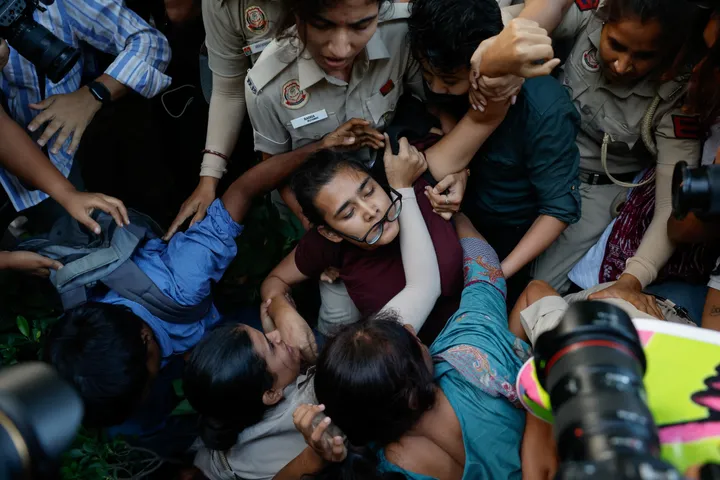




“Head of state immunity was never intended to protect those accused of international crimes, including genocide or incitement to genocide,” El-Haroun says.
“That principle was established at Nuremberg, reaffirmed in the Genocide Convention, and recognised by Australia in its submission to the UN International Law Commission, where it acknowledged that immunity should not shield individuals from accountability for the most serious international crimes,” she adds.
Article 27 of the Rome Statute states this clearly as official capacity as a head of state does not exempt anyone from criminal responsibility for international crimes.
In 2019, following Jordan's failure to arrest Sudan's ousted president Omar al-Bashir, the court clarified that heads of state have no immunity before an international court with jurisdiction. Certain crimes are considered so severe they punch through traditional immunities.
Herzog is scheduled to visit Sydney on February 7.
Prime Minister Anthony Albanese invited him after last month's mass shooting at Bondi Beach killed 15 people during a Jewish celebration. Albanese said the invitation was meant "to honour and remember victims of the Bondi anti-Semitic terrorist attack and provide support for the Australian Jewish community."
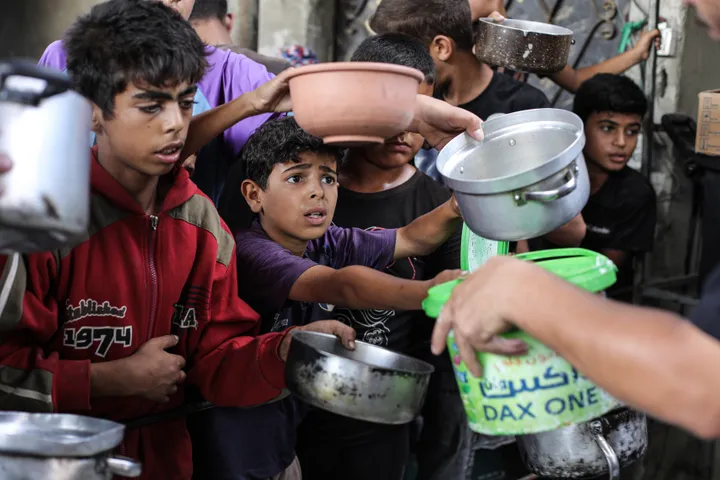
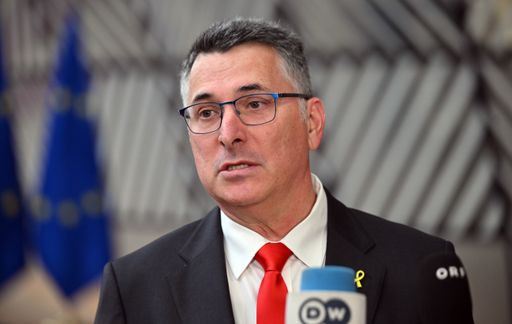
Shawan Jabarin, General Director of Al-Haq, put the allegations bluntly: "When President Herzog announced that there are no uninvolved civilians in Gaza and that 'It's an entire nation out there that is responsible,' he approved as Head of State with intent, the mass killing of all Palestinians in Gaza."
Always on edge
Other cases show that even the prospect of legal action can be enough to change travel plans for officials accused of serious crimes. Benjamin Netanyahu offers some of the clearest recent examples.
Just last week, Netanyahu could not attend the World Economic Forum in Davos, Switzerland, amid concerns that he could face arrest if he entered Swiss territory.
In September 2025, his flight to the United Nations General Assembly in New York was rerouted along an unusually circuitous path to avoid flying over European countries that are members of the International Criminal Court and would therefore be legally obliged to detain him.
Earlier, in 2024, Netanyahu also cancelled plans to attend an event in Poland marking the anniversary of the liberation of Auschwitz, for the same reason.
So international criminal law has already been limiting where senior Israeli officials can go. That makes Herzog's Australia trip worth watching as he might face the same calculations.
“Where serious, and credible, allegations of international crimes constituting genocidal conduct have been formally referred to law enforcement, the appropriate response is investigation, not for the accused to be granted a diplomatic welcome,” says El-Haroun.
If Australia rolls out the red carpet for Herzog while the Australian Federal Police is being asked to investigate, that signals impunity is acceptable, according to El-Haroun.
“No individual credibly accused of genocidal conduct should be free to travel without having to face the consequences of their criminal action. While Israel chooses the path of genocide and impunity, Australia, and all other states, must give full effect to their legal obligations and political rhetoric by urgently investigating and prosecuting Herzog,” she explains.
Does universal jurisdiction still mean something for some countries, or does it get shelved when it becomes inconvenient? Australia will answer that question one way or another in the next few weeks.