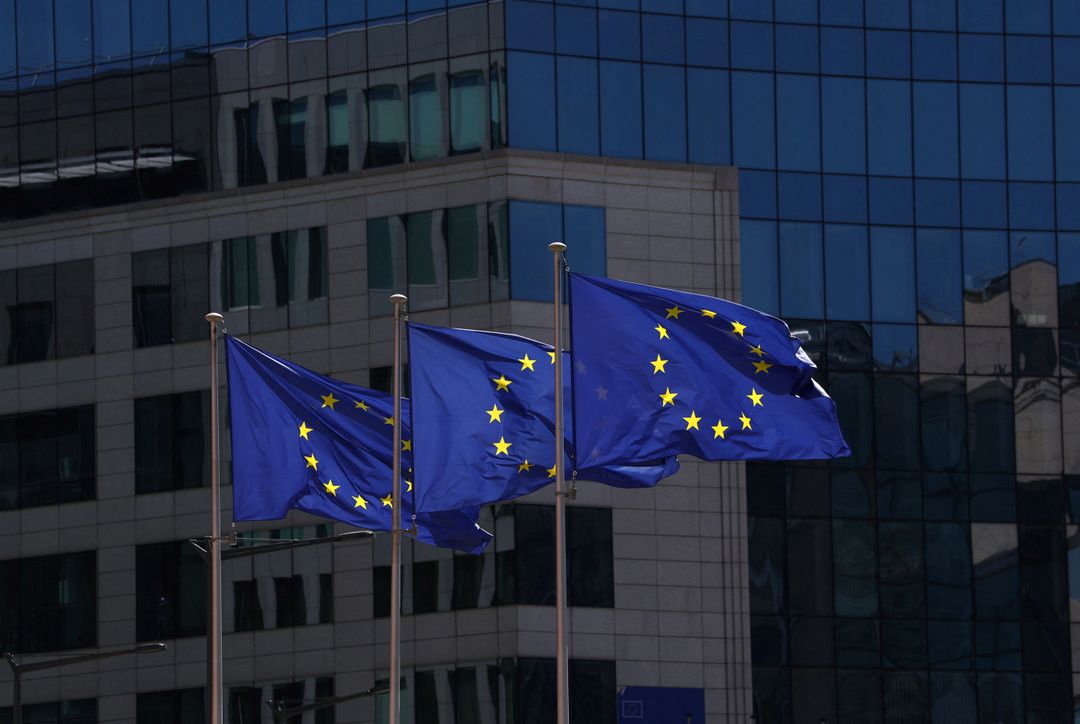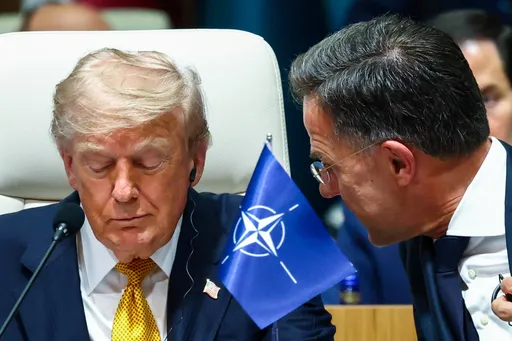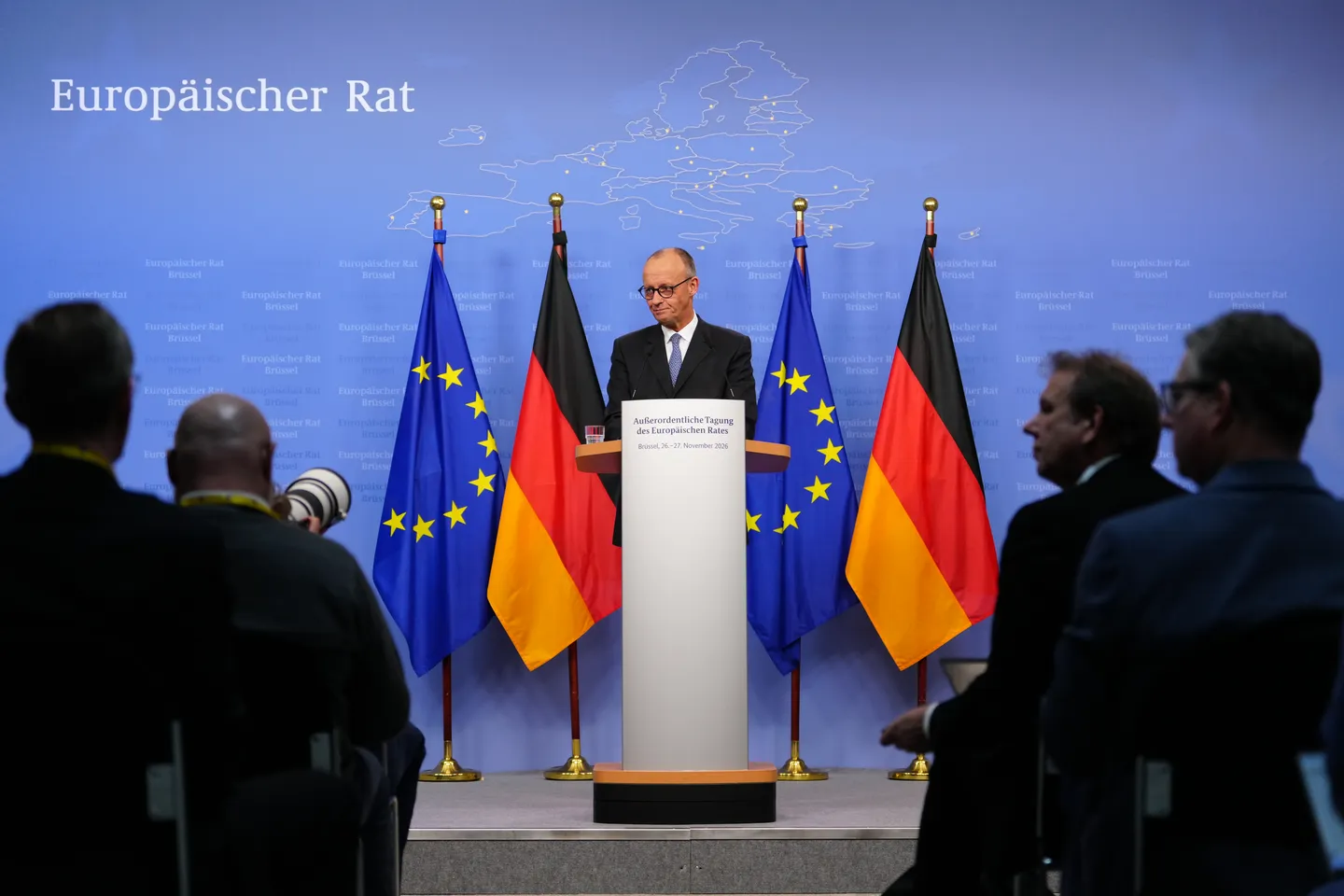
German Chancellor Friedrich Merz has said that a special EU summit on the next long-term budget ended early because leaders’ positions remain far apart.
“We must acknowledge that the ideas about how we should shape it are still far apart,” Merz told a press conference in Brussels on Thursday after intensive talks on the EU’s 2028-2034 budget, also known as the Multiannual Financial Framework.
“We all know that it will take time and a great deal of goodwill to bridge these significant differences in perspective,” he said. The leaders agreed during their discussions not to resume formal talks on Friday morning and instead hold a final round around midnight.
The European Council would now face a more difficult task, Merz noted, adding that member states will work to reach a deal by the end of the year.
“We are now preparing for a relatively intensive EU leaders summit on December 17,” he said. “We will then see whether we can succeed. I cannot be certain, but I have not given up hope that we will manage it.”
The leaders had arrived in Brussels on Thursday for a special two-day summit aimed at overcoming differences on the long-term budget.
Before the summit, Merz told reporters that European Council President Antonio Costa’s latest proposal was too high, beyond acceptable levels. He demanded deeper cuts, ruled out new borrowing, and insisted that the budget must clearly prioritise essential tasks that strengthen Europe’s defence capabilities and ensure sustained support for Ukraine.
Ahead of the formal talks, the chancellor met like-minded leaders from the net-contributor countries — the member states that pay more into the EU budget than they receive back. The group, calling itself the “Sensible Seven,” continues to press for a hard course of savings, including to funds that support poorer regions, amid deep divisions.
Germany’s key demands
“Europe needs to exercise a sense of proportion when shaping its own budget. The budget cannot grow indefinitely, and the burden of financing it must be distributed fairly,” Merz told reporters on Thursday night.
He also demanded that member states’ contributions to the EU budget be adjusted for a fairer share of the costs.
“Germany currently pays for about a quarter of the EU budget, yet we receive only around 8 percent of the funds back directly,” he noted.
Merz insisted that the new long-term budget must ensure sufficient funding for defence and secure aid for Ukraine.
“Europe must strengthen its economy and ensure security. To do so, it also requires a reserve — for instance, to provide long-term financing for Ukraine,” Merz said. “Everyone must contribute to this. And it must subsequently be possible for decisions to be taken by a qualified majority.”
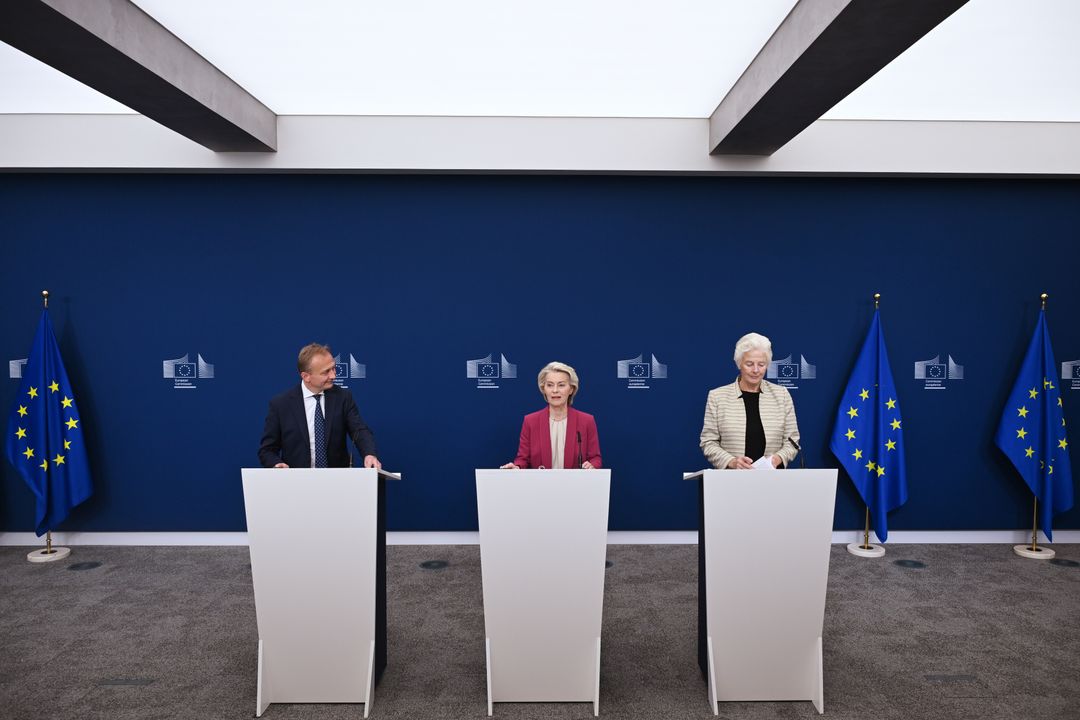
The European Commission had initially proposed a €1.985 trillion ($2.18 trillion) package in July for the 27-member bloc’s 2028-2034 budget. That plan was rejected by Germany and several other wealthy member states.
Costa has since tabled a compromise proposal worth €1.781 trillion ($1.95 trillion). Even after the cuts, the package would still be nearly 50 percent larger than the current 2021-2027 budget framework.
German media reports indicate Berlin wants the Commission’s original plan trimmed by around €400 billion ($439 billion), bringing the total closer to €1.59 trillion ($1.74 trillion). That would mean another roughly €200 billion ($219.5 billion) in cuts from Costa’s current draft.