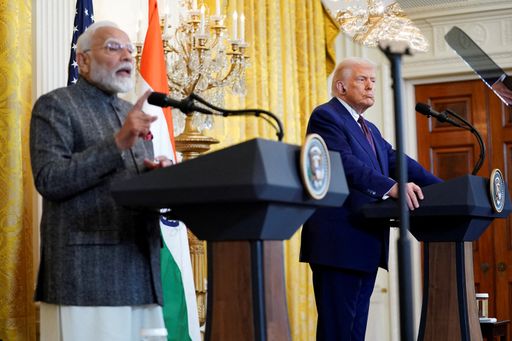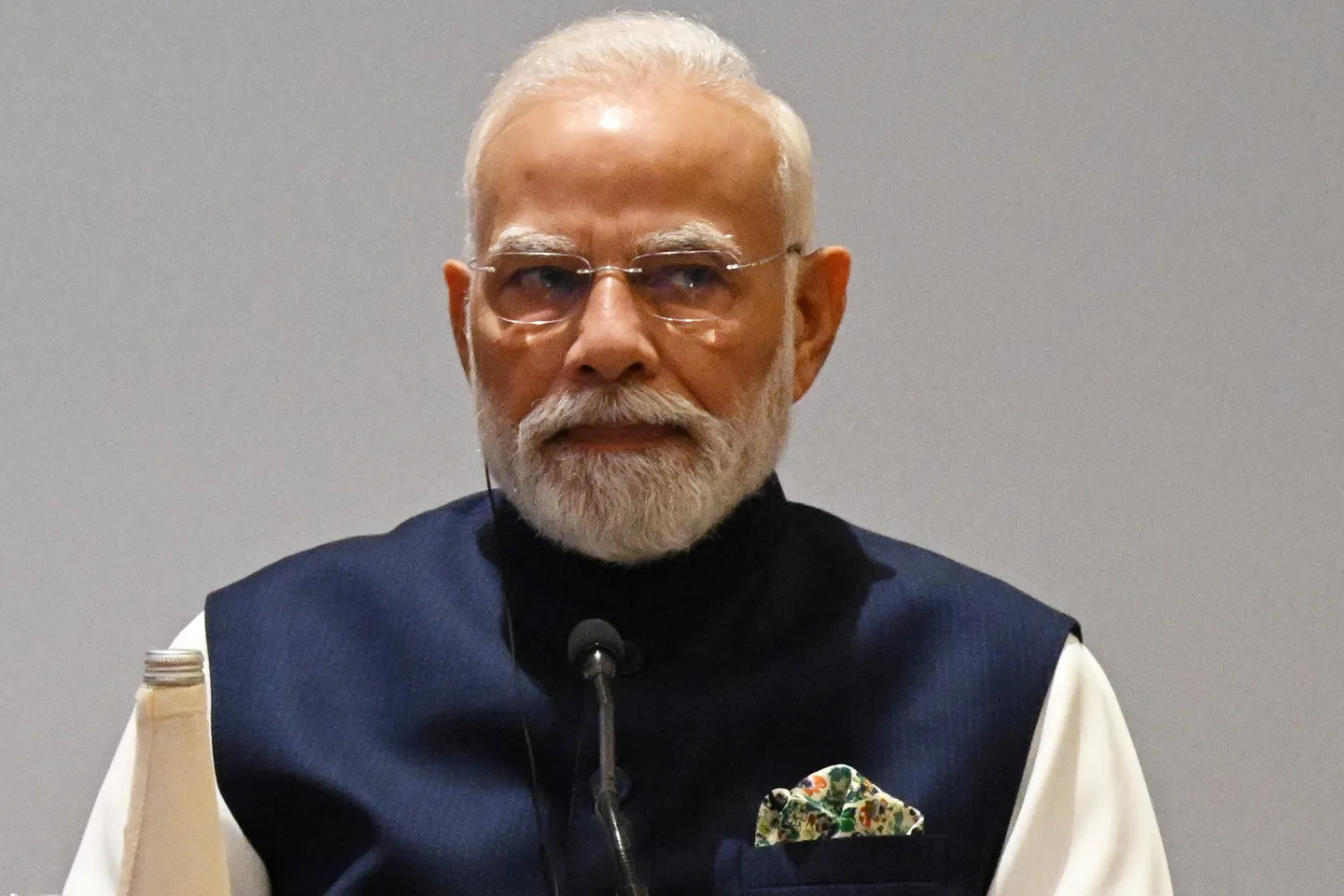
India's Prime Minister Narendra Modi will participate virtually in the ASEAN summit in Kuala Lumpur, ruling out a possible meeting with US President Donald Trump and indicating New Delhi and Washington may not be close to sealing a trade deal.
The US and India have been negotiating for months to thrash out a trade deal, but talks have been complicated by the South Asian nation's Russian oil imports, which prompted Washington to impose a punitive 25 percent tariff on Indian goods in August, raising total levies to 50 percent.
"Look forward to joining the ASEAN — India Summit virtually, and to further deepening of the ASEAN — India Comprehensive Strategic Partnership," Modi said on X on Thursday while referring to a conversation with Malaysian Prime Minister Anwar Ibrahim.
Anwar also said he had been informed Modi would attend the gathering virtually "due to the ongoing Deepavali celebrations in India at that time," referring to the Hindu festival of lights celebrated this week.
The meeting of the leaders of the Southeast Asian grouping will take place in the Malaysian capital from October 26 to October 28.
It will be attended by all 10 members of the bloc and key trading partners such as China, Japan and the US.
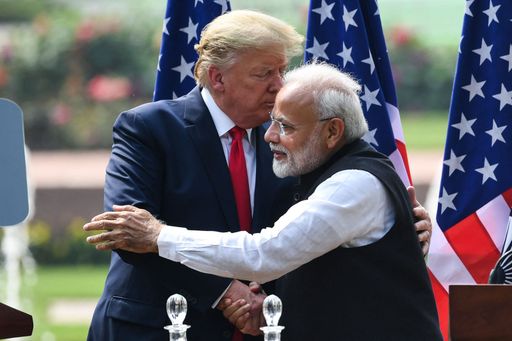
Trump-Modi meeting uncertain
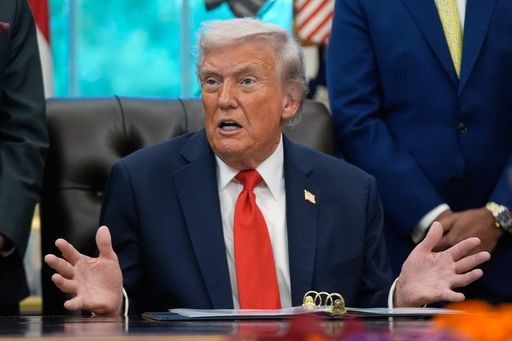
Malaysia's foreign minister said last week that Trump would visit the country on October 26, fuelling speculation in India about a possible meeting with Modi, who was previously expected to attend the summit in person.
There has been no official confirmation on the trip from Washington.
Trump and Modi spoke on Tuesday, both leaders said, with Trump adding that their conversation focused largely on trade.





Modi did not elaborate on the content of their conversation.
On Wednesday, India's Mint media outlet reported the countries were close to a deal that would cut tariffs on Indian imports to 15 percent to 16 percent, though progress hinged on energy and agriculture.
India’s oil imports from Russia
The Trump administration imposed sanctions on Russia’s top oil producers, Rosneft and Lukoil, threatening India’s 36 percent reliance on Russian crude this year.
Indian refiners warn the move could halt imports entirely, as the sanctions specifically target Russia’s largest oil suppliers.
Since 2023, Russia has been India’s largest crude supplier, replacing Middle Eastern sources after the G7’s $60-per-barrel price cap, designed to limit Moscow’s profits globally.
Some exceptions may persist, including Nayara Energy, backed by Rosneft, which continues limited imports under EU sanctions, reports say.
Scheduled November–December deliveries may now shift to alternative sources, while spot negotiations for Urals cargoes have slowed sharply since mid-October.