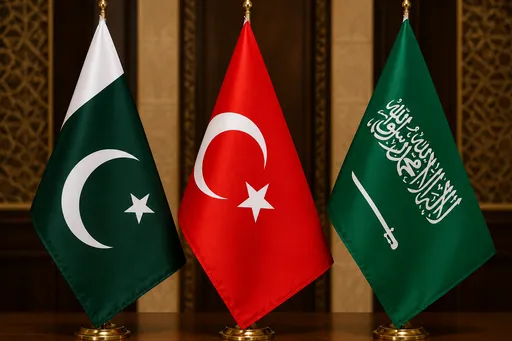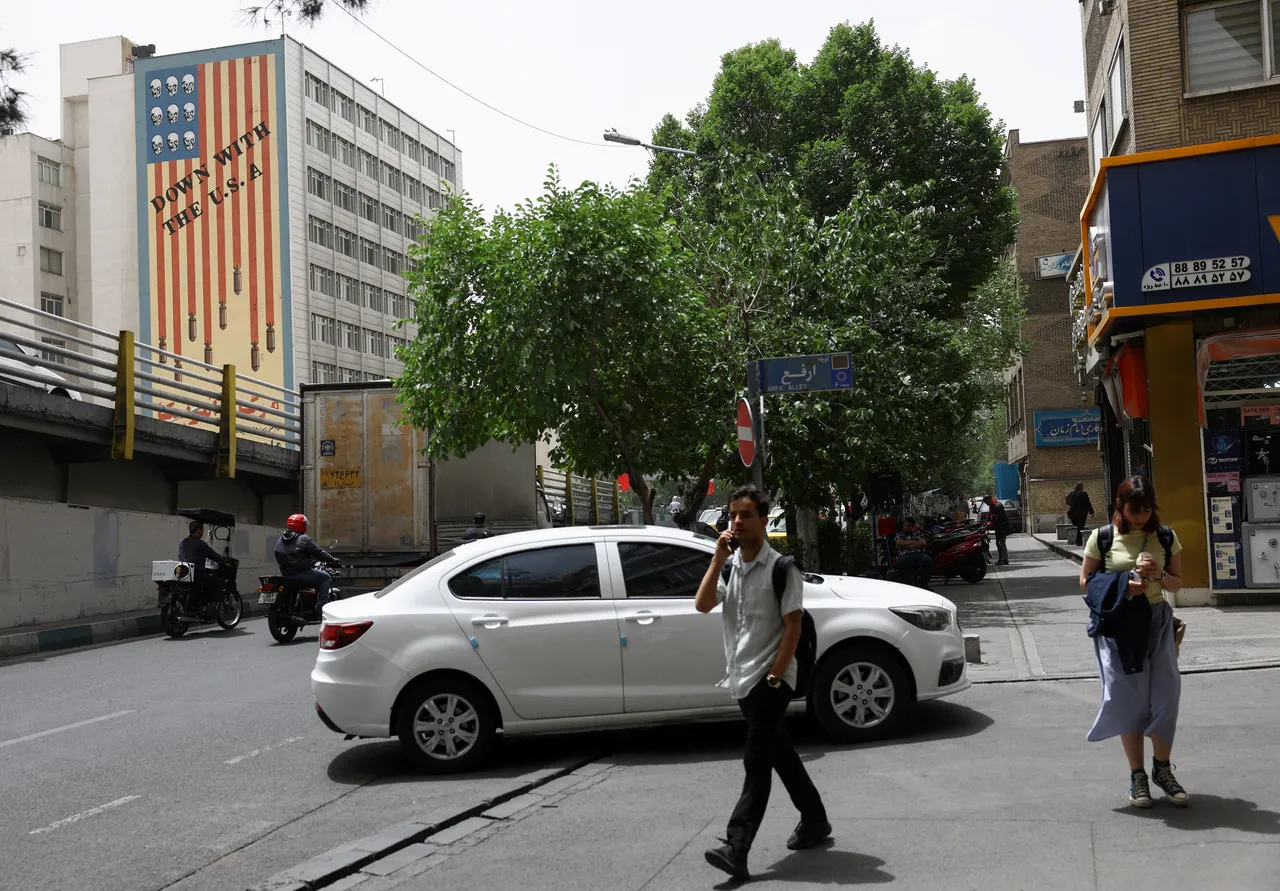
Pakistan stepped up diplomatic efforts on Thursday to hasten US and Iran peace talks, as Tehran said it was reviewing Washington's latest responses and President Donald Trump suggested he could wait a few days for "the right answers" from Tehran but was also willing to resume attacks on the country.
Six weeks since a fragile ceasefire took effect, talks to end the war have made little progress, while soaring oil prices have raised concern over inflation and the impact on the global economy.
Trump also faces domestic pressure ahead of November's midterm elections, with his approval rating dropping close to its lowest since he returned to the White House on the surge in fuel prices.
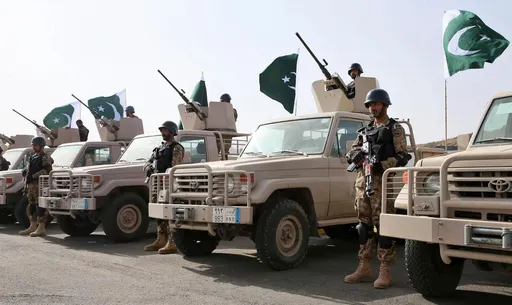
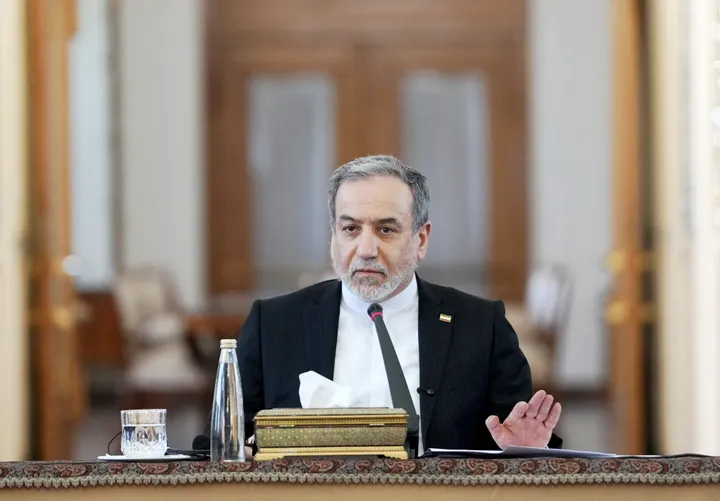
Pakistan's Army Chief Asim Munir will decide on Thursday whether to travel to Tehran as part of the mediation effort, three sources familiar with the negotiations told Reuters.
They sought anonymity because they were not authorised to speak to media. Pakistan's interior minister was in Tehran on Wednesday.
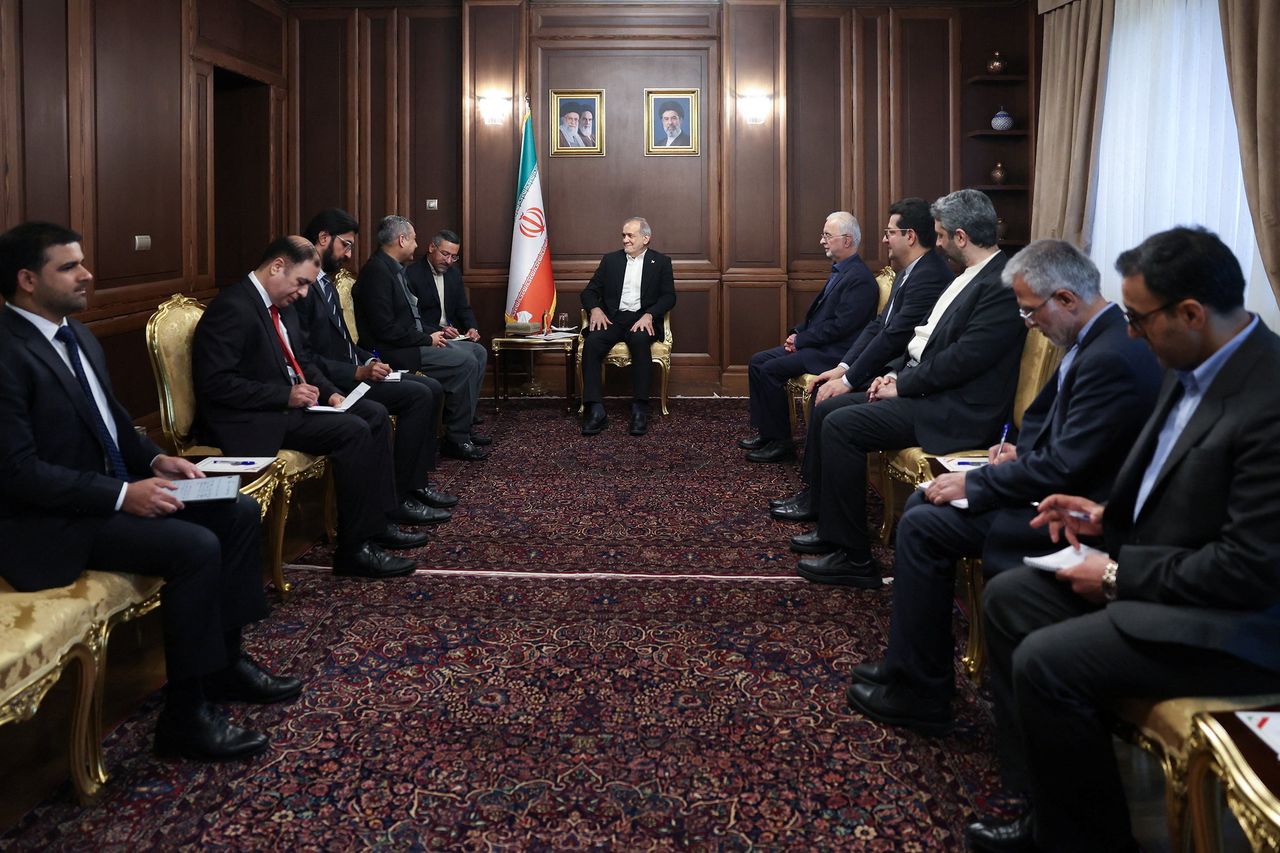
"We're speaking to all the various groups in Iran to streamline communication and so things pick up pace," said one of the sources.
"Trump's patience running thin is a concern, but we're working on the pace at which messages are relayed from each side."
Earlier, Iran's ISNA news agency said Munir would travel to Tehran on Thursday for consultations.
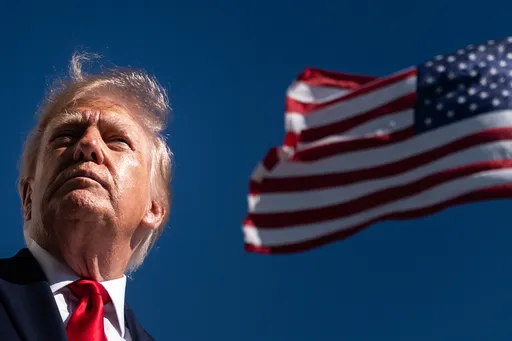
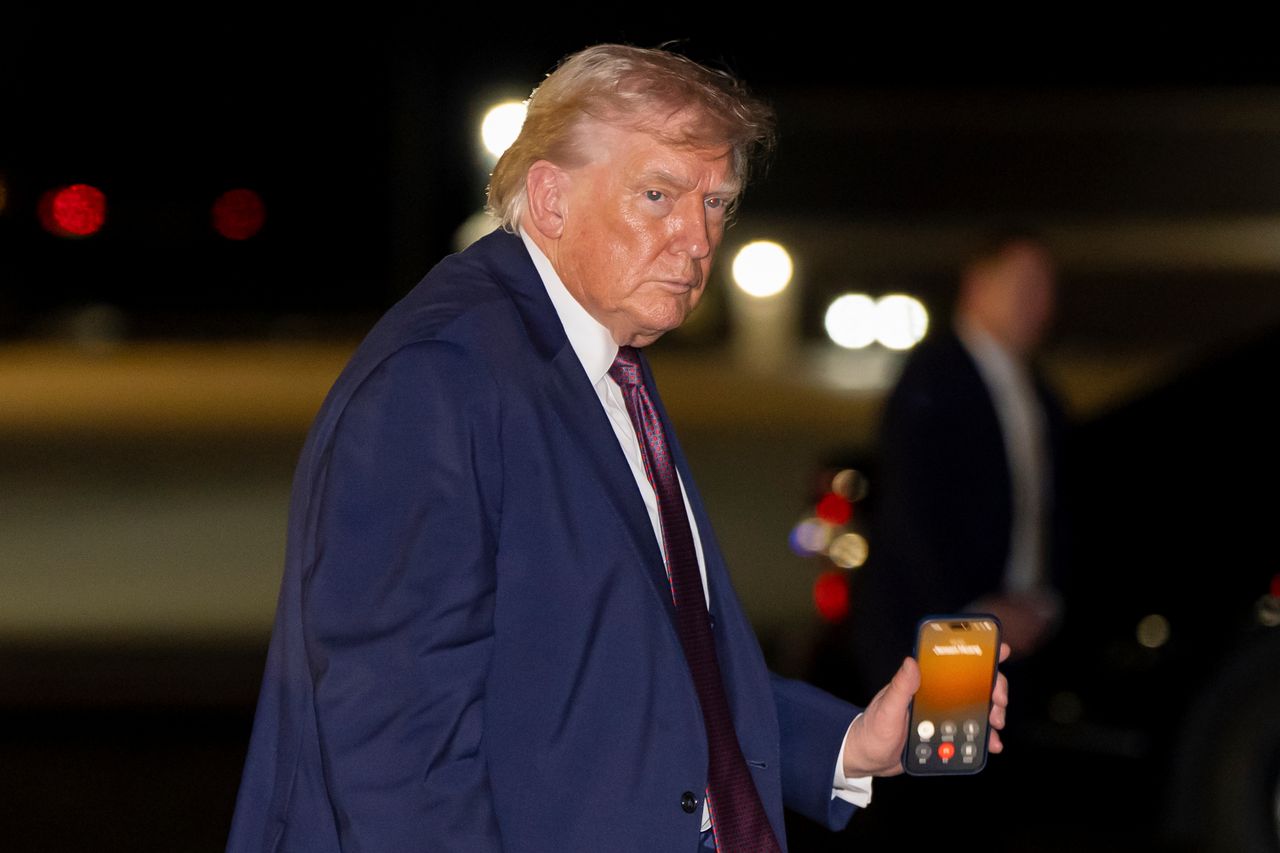
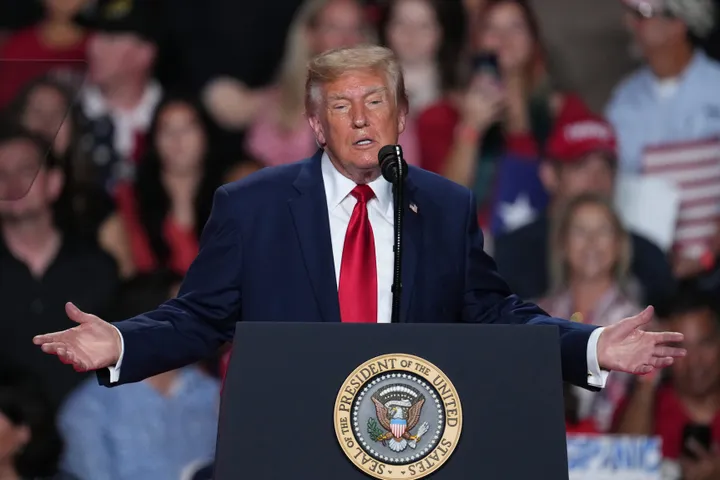
"Believe me, if we don't get the right answers, it goes very quickly. We're all ready to go," Trump told reporters at Joint Base Andrews. Asked how long he would wait, Trump said, "It could be a few days, but it could go very quickly."
Trump reiterated his determination not to allow Iran to acquire a nuclear weapon.
"We're in the final stages of Iran. We'll see what happens. Either have a deal or we're going to do some things that are a little bit nasty, but hopefully that won't happen," Trump told reporters earlier in the day.
Iran's Revolutionary Guards have warned against renewed attacks. "If aggression against Iran is repeated, the promised regional war will extend beyond the region this time," a statement said.
Iran submitted its latest offer to the US this week.
Tehran's descriptions suggest it largely repeats terms Trump previously rejected, including demands for control of the Strait of Hormuz, compensation for war damage, lifting of sanctions, release of frozen assets and the withdrawal of US troops.
Pakistan PM Sharif to visit China May 23-26
Meanwhile, Pakistan Prime Minister Shehbaz Sharif will visit Beijing from Saturday to Tuesday for talks, the Chinese foreign ministry said, without specifying whether the war in Iran would be discussed. Chinese President Xi Jinping will host Sharif.
Pakistan and China have both sought to mediate in the Middle East conflict.
"The leaders of China and Pakistan will have an in-depth exchange of views on bilateral relations and issues of common concern," Chinese ministry spokesperson Guo Jiakun told a press conference on Thursday.
Sharif’s visit will also mark the 75th anniversary of diplomatic ties between the two countries.
During the visit, Xi and Chinese Premier Li Qiang will meet and hold talks with him, Foreign Ministry spokesperson Guo Jiakun told reporters in Beijing.

Guo added that China would work with Pakistan to "make positive contributions to the early restoration of peace and stability in the Middle East".
"China supports Pakistan in playing a fair and balanced mediating role in promoting peace and ending the war," he said.
Pakistan has emerged as a central mediator between the US and Iran, hosting talks last month.
China has played a quieter role, shepherding phone calls and meetings with officials of affected Gulf countries.
After high-profile talks with Xi in Beijing last week, Trump told Fox News the Chinese leader had offered China's help to open the Hormuz Strait.
China's foreign minister Wang Yi urged Islamabad this month to "step up mediation efforts" in the Middle East, speaking to his Pakistani counterpart Ishaq Dar in a call.
Chinese tankers cross Strait
The Strait of Hormuz, which carried a fifth of global shipments of oil and liquefied natural gas before the war, has been all but closed since it began, causing the most serious disruption to global energy supplies in history.
On Wednesday, Iran released a map showing a "controlled maritime zone" at the strait and said transit would require authorisation from an authority set up to control the area.
It said it aimed to reopen the strait to friendly countries that abide by its terms. That could potentially include fees for access, which Washington says would be unacceptable.
Two Chinese supertankers carrying a total of about four million barrels of oil exited the strait on Wednesday, while a South Korean tanker with two million barrels of crude loaded in Kuwait was also crossing the strait in cooperation with Iran.
Shipping monitor Lloyd's List said at least 54 ships had transited the strait last week, about double the previous week.
Iran said 26 ships had crossed in the past 24 hours, still only a fraction of the 125 to 140 daily passages before the war.
US-Israeli bombing killed thousands of people in Iran before the ceasefire.
Israel has also killed thousands more and driven hundreds of thousands from their homes in Lebanon, which it invaded on the pretext of fighting the Hezbollah group.
Iranian strikes on Israel and neighbouring Gulf states have killed dozens of people.
Trump and Israeli Prime Minister Benjamin Netanyahu said their war aims were to curb Iran's support for regional militias, dismantle its nuclear programme, destroy its missile capabilities and make it easier for Iranians to topple their rulers.
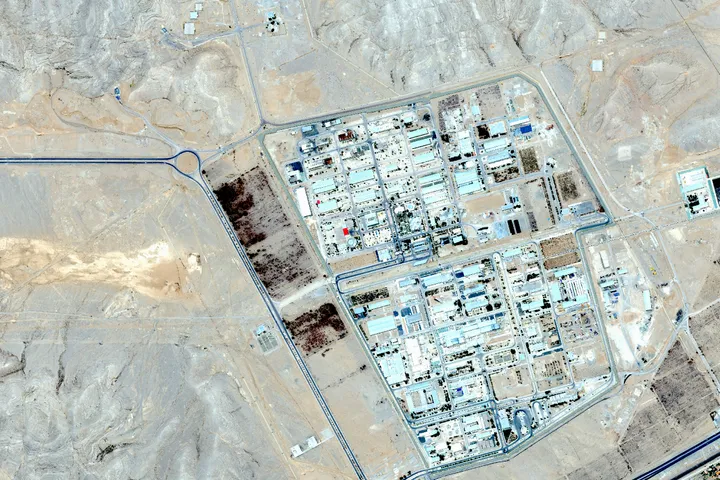
But Iran has so far retained its stockpile of near-weapons-grade enriched uranium.
It has already restarted some drone production during the ceasefire, CNN said on Thursday, citing two sources familiar with US intelligence assessments.