 Kazim Alam
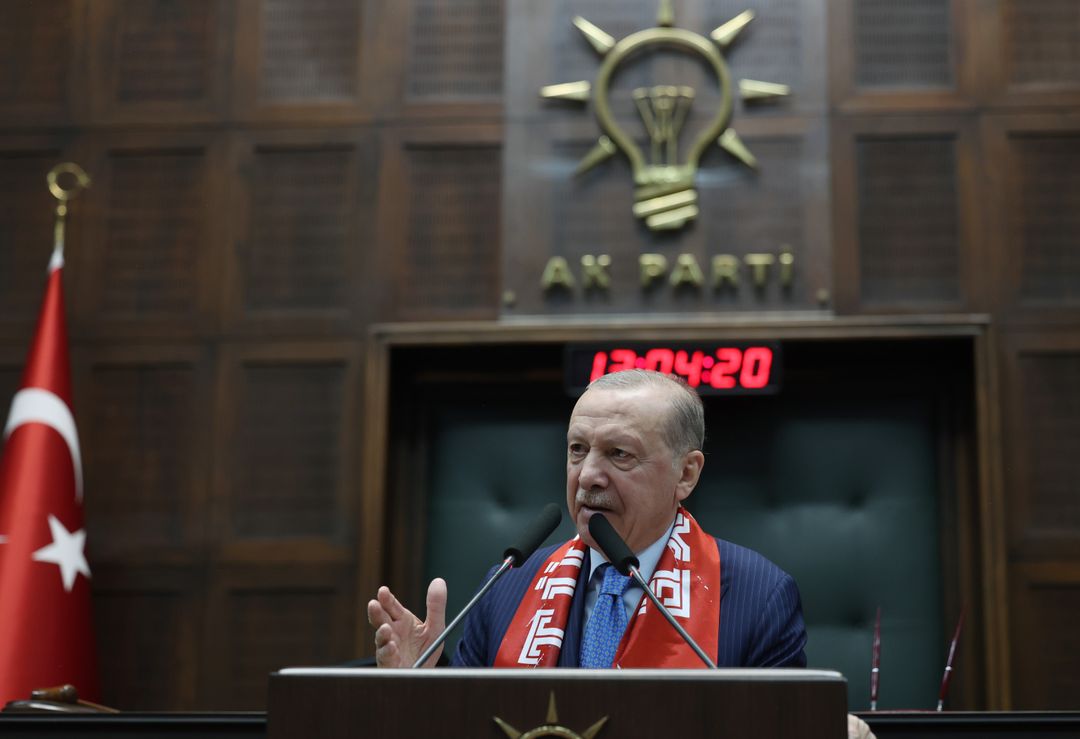
As the Justice and Development Party – better known as the AK Party – marks its 25th anniversary on August 14, the spotlight is firmly on its political ideology and social vision, which have influenced and shaped the country over the past quarter century.
Under the leadership of President Recep Tayyip Erdogan, the party has won every general election it has contested over 25 years.
The AK Party has delivered broad-based economic growth and ensured that its benefits trickle down to the marginal and deprived segments of society – a fact amply reflected by improving human development benchmarks.
Baris Ertem, an analyst and associate professor at Istanbul Technical University, defines the AK Party not as a conventional right-wing, nationalist or purely neo-Ottomanist organisation, as frequently mistaken by the West.
“If we were to define the AK Party in the most concise and precise terms possible, we could describe it as a ‘conservative democratic’ party,” he tells TRT World.
“(Its) politics are fundamentally rooted in conservative values,” he says, adding that no party remaining in power for 25 years can stay unchanged in a dynamic country like Türkiye.
“What undoubtedly distinguishes the AK Party… is its leader,” he says.
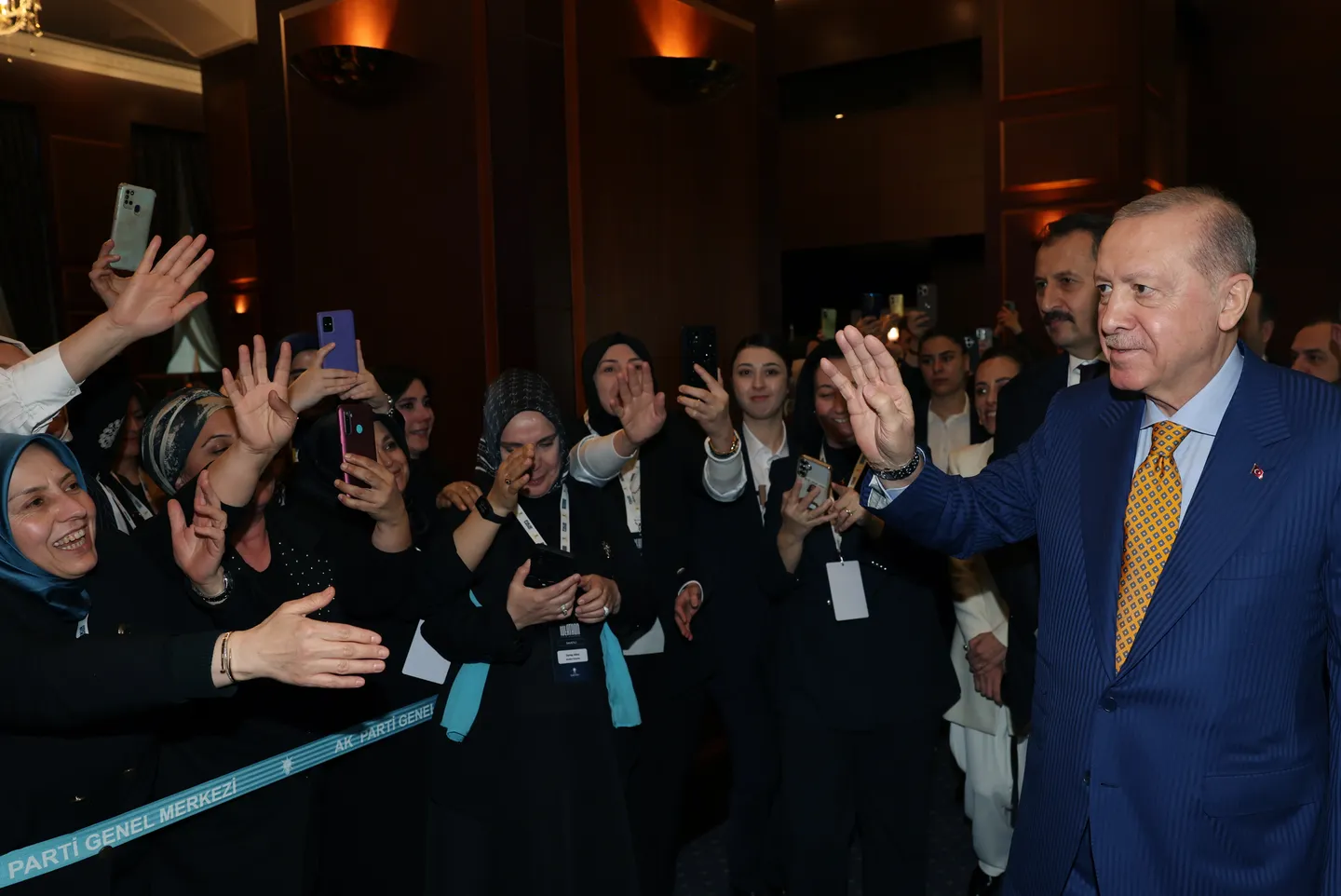
Erdogan’s roughly 52 percent support in the last three presidential elections speaks to the “exceptionally strong and genuine bond” between him and his supporters.
“In Türkiye’s history of multiparty politics, no leader has ever been embraced by his electorate to the same extent as Erdogan,” he says.
The AK Party came into being in 2001 under the leadership of Erdogan, who became prime minister of Türkiye in 2003 – a position he held for the next 11 years.
Since 2014, he has led the country as president.
The two and a half decades of party rule haven’t been without challenges – foremost among them was the July 2016 defeated coup attempt by the FETO terrorist group.
The government led by the AK Party survived the putschists’ bid to take over power, thanks to the fearless resistance put up by the Turkish people on the streets of Istanbul and Ankara.
As many as 253 people paid the ultimate sacrifice that day to preserve democracy and protect the Turkish republic.
According to Muhammed Ali Ucar, chairman of the Vienna-based think tank PLUS Institute, Western labels such as nationalist, right-wing, or populist fall short of describing what the AK Party truly stands for.
The AK Party emerged from Türkiye’s own distinctive historical, social and political circumstances, drawing on the country’s history, geography, culture and diversity, he tells TRT World.
With more than 11.5 million members spanning all social classes and ethnic backgrounds, the party is not confined to any single constituency, he says.
“The AK Party is not a party based solely on one particular ideological or sociological constituency, but one that has succeeded in reaching a remarkably broad section of society,” he says.
Ucar sees “substantial continuity” with the fundamental political vision of justice, development, equality, freedom, and democracy set at its founding.
Its defining trait is “belief in democracy and in the will of the people,” with the ballot box as the source of legitimacy.
The birth of a movement
Analysts say that the circumstances that gave birth to the AK Party were those of exclusion and crisis.
Ertem recalls that the party aimed to restore rights to large segments of society denied public office and, in some cases, university education until the 2000s.
“The February 28, 1997, process further intensified the perceived need for such a political party and political leadership,” he says, while referring to the so-called postmodern coup in which the military exerted pressure on the elected government to resign in order to pave the way for a host of anti-democratic measures, particularly a ban on headscarves in public universities.
“Looking at the situation today, many of the party’s major objectives – particularly bringing large segments of society that had been excluded from the political centre for nearly a century back into the mainstream, as well as restoring their rights to education and public service – have been achieved to a very significant extent,” Ertem says.
Party voters continue to trust Erdogan to resolve current challenges, just as he did after 2001, a tumultuous time in Turkish history that gave birth to the AK Party, he says.
Ucar also places the party’s founding amid the debates raging across Türkiye in the 1990s and the early 2000s over democracy and freedom.
Women wearing the headscarf faced barriers to education and public life, while religious sections of society experienced exclusion, he says.
The party emerged from a “long-standing search for democracy, freedom, equality and broader social representation,” alongside economic crises, healthcare shortcomings and infrastructure gaps.
Erdogan’s founding-era statement that “from now on, nothing in Türkiye will be the same as before” captured the ambition.
Twenty-five years later, Ucar says that important changes have taken place in many areas of fundamental rights and freedoms, particularly with regard to the headscarf and freedom of religion, alongside far-reaching advances in healthcare, transport, infrastructure, defence and technology.
“I believe the AK Party has fulfilled a significant part of the objectives it set out at the time of its establishment, and continues to uphold the fundamental political commitments upon which it was founded,” he says.
What sets the AK Party apart from other political groups in the country is its direct bond with society and its leader’s consistency, analysts say.
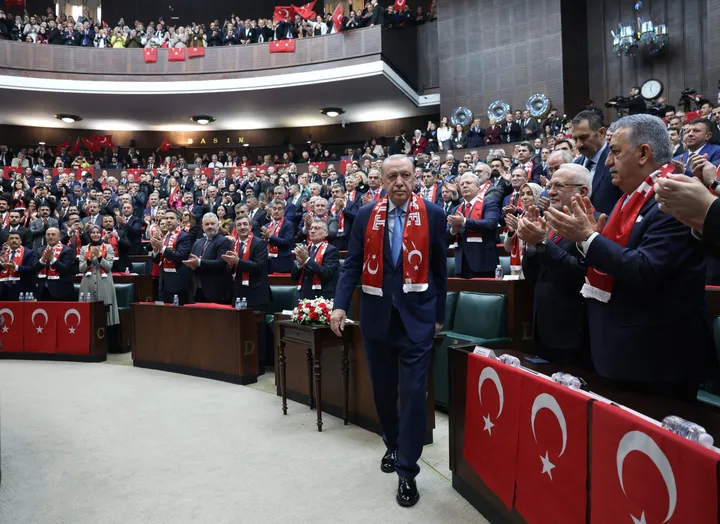
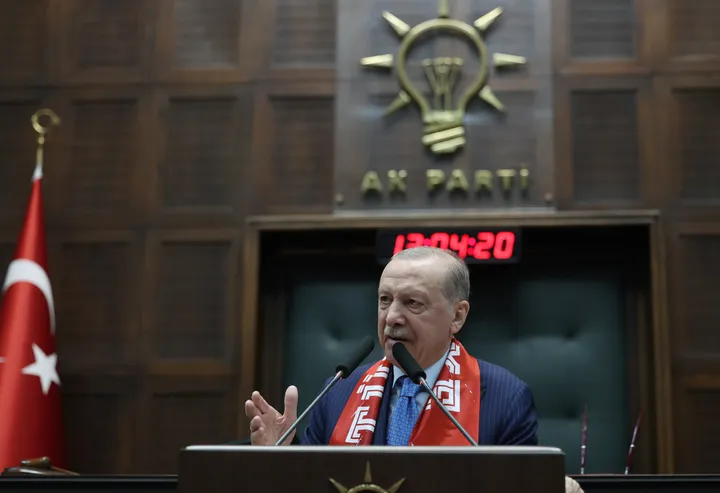
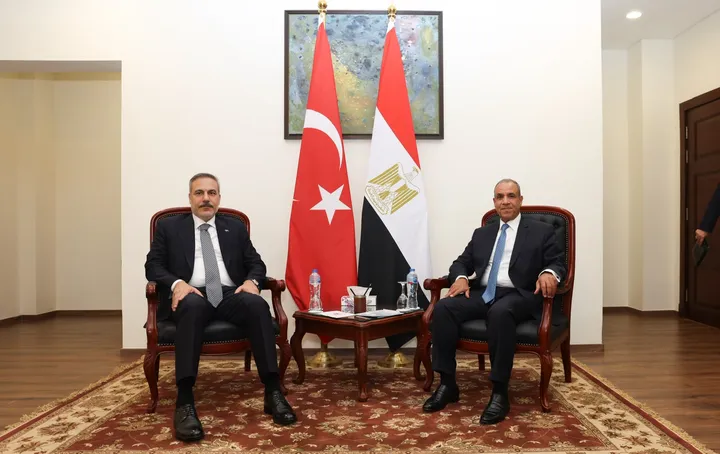
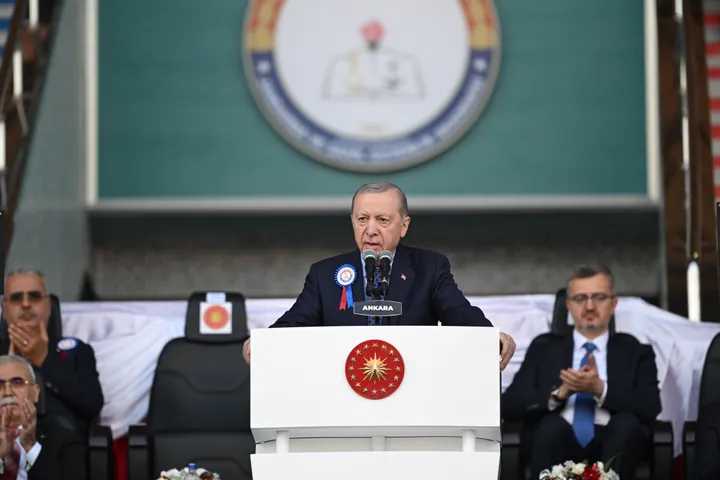
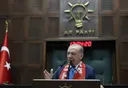
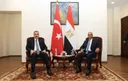

Ucar highlights the party’s non-elitist character as one of its many distinct qualities: it emerged from within the people and carries society’s demands into politics, he says.
Its nationwide organisation and ability to respond to diverse expectations explain its longevity at the centre of politics.
Envisaging a hypothetical scenario where the AK Party is absent, Ucar says Türkiye would still be locked in unresolved debates over basic rights, and the transformations in healthcare, transport, defence and technology would not have occurred.
How the West views AK Party
Matthew Bryza, former US ambassador to Azerbaijan and an Istanbul-based expert on Eurasian affairs, observes that the current US administration under President Trump views the AK Party as the ruling party of a democratic NATO ally with the alliance’s second-largest army and critical geography.
President Trump views President Erdogan as a “friend whom he admires” and views Türkiye as a critical NATO ally, he tells TRT World.
“Observers have come to regard Türkiye less in ideological terms and more as an important partner and ally,” he adds.
Veysel Kurt, professor of political science at Istanbul Medeniyet University, says Western views about Türkiye under the AK Party have never been uniform, though pragmatism cuts across differences.
In the early 2010s, Western actors increasingly adopted a much more ideological approach towards the AK Party and Erdogan, Kurt tells TRT World.
This divergence became more pronounced during the refugee crisis and in the military operations against terrorist organisations in Syria, he adds.
This situation persisted for approximately 10 years. But with the start of the Russia-Ukraine war, Western actors “needed Türkiye”.
“(They) were forced to adopt a more moderate approach and abandoned many of the accusatory stances they had previously taken, particularly towards President Erdogan,” he says.
Türkiye’s global standing has risen markedly over the last many years.
Kurt recalls that before the 2000s, the country struggled with internal economic, security and political problems, limiting Ankara’s regional and global roles.
After 2000, however, institutional capacity and policy choices enabled competition with global actors in terrorism, defence industry, intelligence and foreign policy, he says.
Türkiye holds a dominant position in its immediate neighbourhood – the Middle East, Balkans, Eastern Mediterranean, Black Sea and even Eastern Europe – while remaining active in Africa and Central Asia, he notes.
It also possesses the capability to strike a balance between major powers when necessary, he adds.
“Its ranking among the top five or 10 countries in numerous indices – based on indicators such as the growth and utilisation of military capabilities, intelligence effectiveness, defence industry exports, and soft power elements – serves as concrete evidence of this,” Kurt says.
Feathers in AK Party’s cap
Bryza points to several concrete results produced by good governance: massive infrastructure investment, visible daily in Istanbul’s tunnels and bridges, improving the standard of life for everyday people.
GDP per capita is now more than $18,000, up from barely above $3,000 in 2001.
Similar improvements have taken place in export growth, human development benchmarks, and poverty reduction over the same period.
Ertem lists three lasting achievements of the AK Party that have shaped the Turkish national character over the last quarter century.
First is the defence industry’s “extraordinary transformation” under the AK Party rule. Türkiye has become a leading developer, manufacturer and exporter of unmanned aerial systems, selling to approximately 40 countries, including NATO and EU members.
Second are foreign-policy gains: successful defence of Eastern Mediterranean rights and interests, the most significant contribution to ending Syria’s civil war and establishing stability, mediation in the Russia-Ukraine war, a strong response to Israel’s genocidal war on Gaza, and the NATO Summit in Ankara on July 7-8.
Third is democratic consolidation: ending the “era of coups” that repeatedly interrupted politics between 1960 and 2000.
“The fact that the state, together with the people, resisted the coup attempt of July 15, 2016, represented a major victory and a lasting achievement for Turkish democracy,” Ertem says.
Ucar considers the strengthening of democracy, expansion of freedoms, and reinforcement of fundamental human rights as the greatest achievements of the AK Party.
Placing the will of the people and the ballot box at the centre of legitimacy has deepened democratic foundations. Resolution of issues such as the headscarf has ended long sources of conflict, ensuring people are not excluded from education or public life because of beliefs or identities, he says.
“One of the defining features of Erdogan’s political leadership has been his confidence in popular support and his view that political legitimacy derives directly from the will of the nation,” he says.