 Esra Karataş Alpay
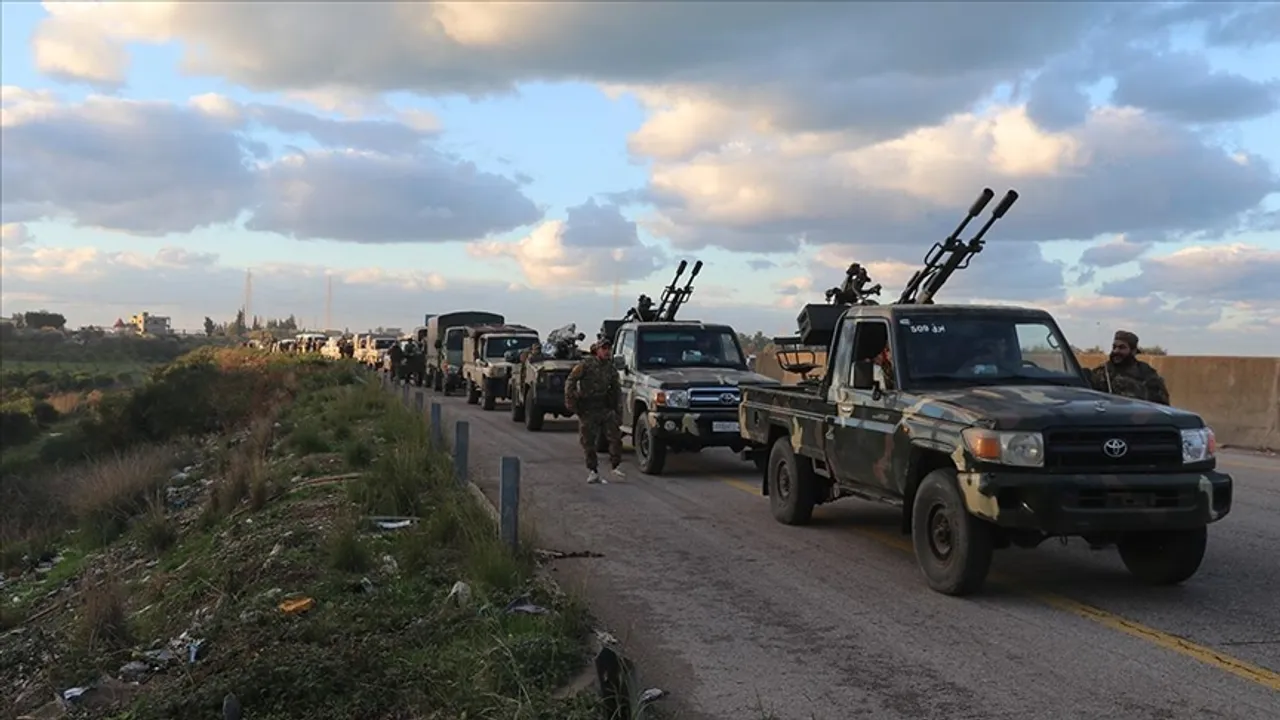
The Syrian government’s recent military operation in Aleppo against the YPG terror group reflects not just a response to renewed violence, but also a deeper strategic debate shaping the country’s post-war future: how to dismantle armed non-state structures while restoring sovereignty, stability and regional balance.
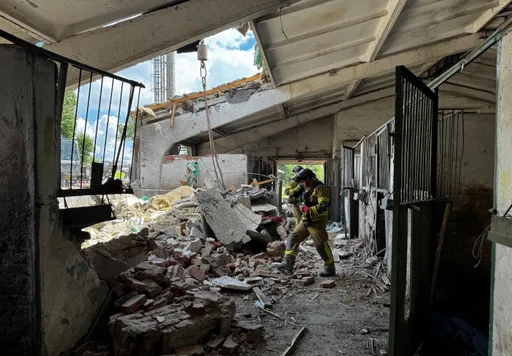
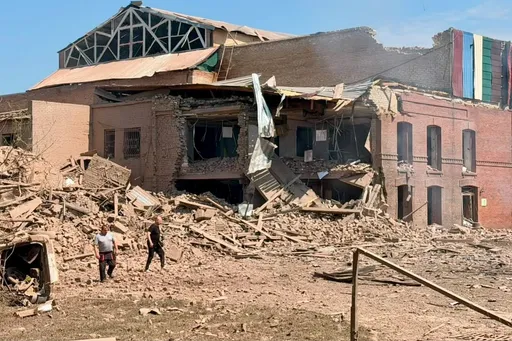
The operation followed a series of attacks by the YPG — the Syrian wing of the PKK terror group –on residential neighbourhoods and army positions in Aleppo that killed dozens of people and displaced thousands from the Ashrafieh and Sheikh Maqsoud districts.
For nearly ten months, Damascus has pursued political negotiations under the March 10 agreement to secure the peaceful withdrawal of YPG elements from these districts.
Syrian officials say that the talks failed to yield tangible results. While negotiations continued, attacks on Aleppo’s city centre persisted, undermining civilian safety and delaying economic recovery in a city once regarded as Syria’s industrial engine.
Yet the debate unfolding in Aleppo is not solely about military operations.
It is also about how the future of armed groups in Syria should be defined — and whether the issue is truly one of “disarmament,” or rather of integration into state institutions.
Associate professor Merve Seren, an international relations expert of Yildirim Beyazit University in Ankara, says that the terminology itself is misleading.
“If the question of the YPG’s so-called disarmament is being discussed in the context of Syria, it is not entirely accurate to frame this issue purely as disarmament,” she tells TRT World.
“What is actually under discussion is the integration of the YPG and the SDF into the Syrian Arab Army.”
According to Seren, this would amount to a form of security sector reform, in which armed YPG elements are reorganised under a unified command-and-control structure.
“This means reorganising armed actors as part of the Syrian army, under centralised command. The issue should therefore be approached through the lens of integration rather than disarmament.”
Syrian authorities say that in the months since the agreement was signed, the YPG has shown no effort to meet its obligations.
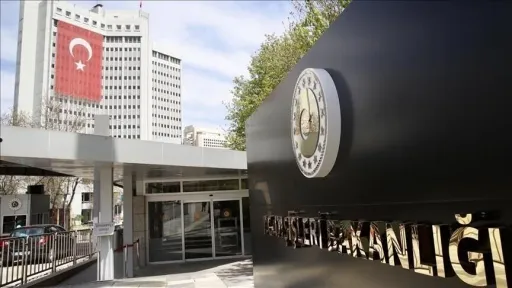
Türkiye has also expressed frustration over the delay, with Foreign Minister Hakan Fidan saying that Ankara's patience was running thin.
Besides its dilly-dallying tactics, the YPG has also tried to frame the recent violence as an ethnic confrontation.
Damascus, however, rejects the narrative, insisting that the conflict is not Arabs against Kurds, but rather a struggle over sovereignty, governance and the future security architecture of the state.
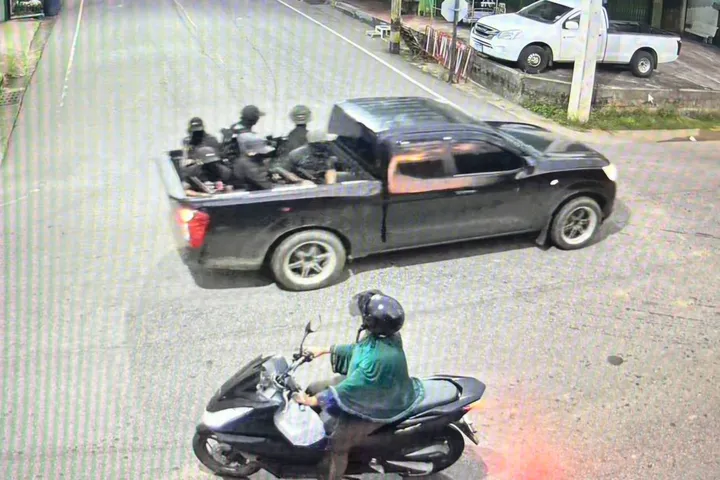


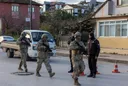
Syrian authorities say that civilian protection — including the safety of Kurdish residents — has been the guiding principle throughout the recent military operation. They also reported YPG terrorists positioning themselves in hospitals and conducting sniper attacks from tunnel networks.
Why it matters for Türkiye
Experts are unanimous in their assessment that the YPG issue carries implications well beyond Syria’s borders, especially in the context of Türkiye’s vision of a terrorism-free region.
“The disarmament of the YPG in Syria and its integration are critically important both for Syria’s territorial integrity and for the country’s reconstruction process,” associate professor Suay Nilhan Acikalin from Haci Bayram Veli University in Ankara tells TRT World.
“(But) this issue is not confined to Syria alone….the rapid integration of the YPG and the clearing of the region from terror structures carry significant importance in terms of development, peace and prosperity.”
Acikalin also situates the debate within a wider systemic context, warning that instability in Syria risks feeding broader regional and global turbulence.
“When viewed from a systemic perspective, as the international system in the Middle East continues to drift towards an increasingly chaotic trajectory — especially in light of Israel’s expansionist policies — the urgency of this issue becomes even clearer,” she says.
Regional dynamics remain closely intertwined with these developments, with Ankara viewing the PKK/YPG as a direct security threat.
Turkish officials maintain that the terror-free Türkiye process initiated under the leadership of President Recep Tayyip Erdogan remains intact and will not be derailed by developments in northern Syria.
For Damascus, the conclusion is increasingly clear.
Whether framed as disarmament or integration, resolving the status of the YPG is seen as essential to restoring sovereignty, reviving Syria’s economy and establishing a durable political order.
For Syria, the YPG issue is a litmus test of its ability to restore unified authority, rebuild its economy and anchor itself in a more stable regional order.
According to Acikalin, the challenge extends beyond preventing local or regional destabilisation.
“There is also the risk of terrorism emanating from the region and spreading globally. For this reason, the YPG must be urgently removed from Syria, and the integration process should be accelerated in accordance with the March 10 agreement,” she concludes.