 Kazim Alam
Speakers at a high-profile seminar on Iraq’s recent parliamentary elections examined whether the vote marks a genuine transformation or simply a continuation of Iraq’s post-2003 fragmented political order.
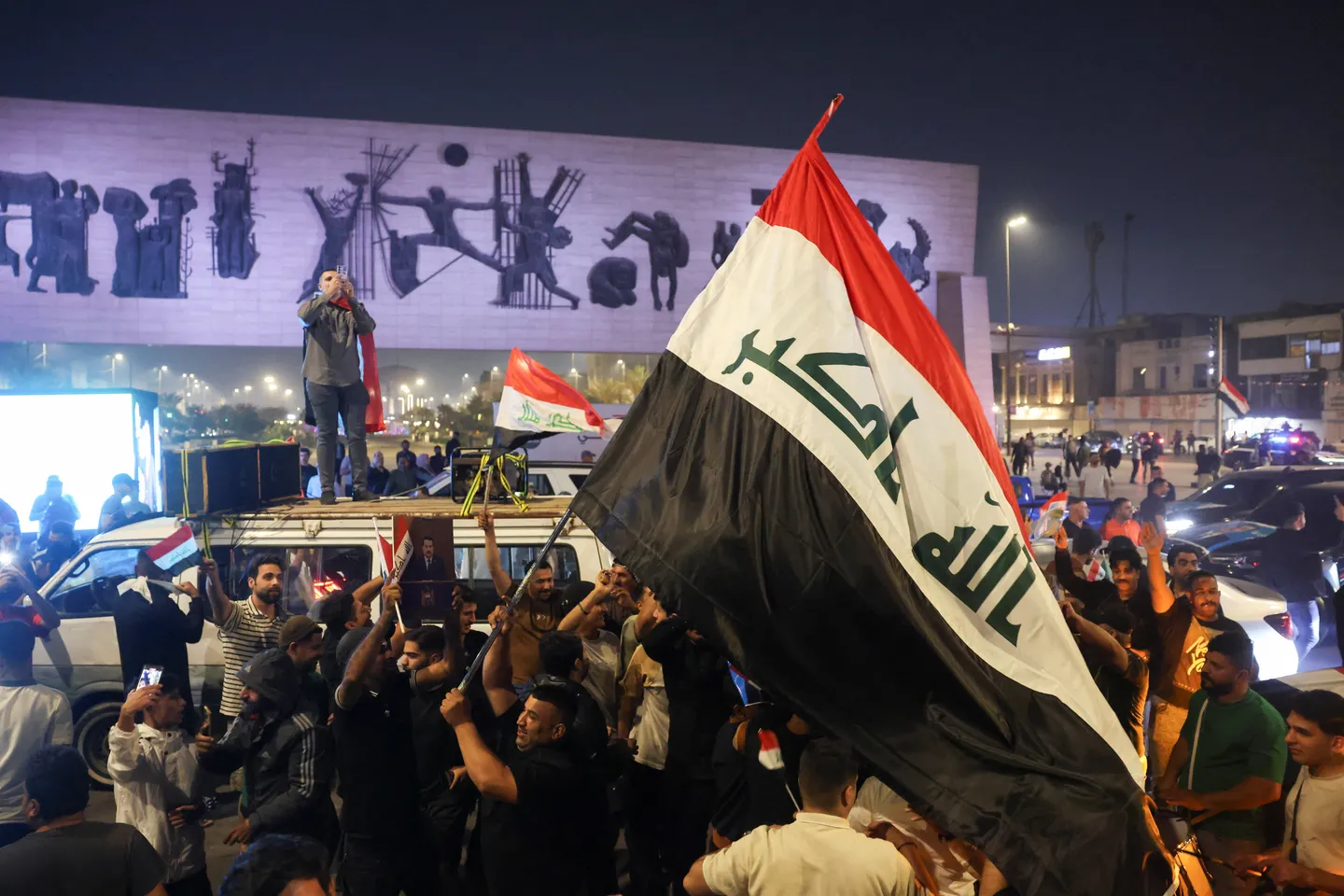
The panel discussion, organised by the Ankara-based Centre for Middle Eastern Studies (ORSAM), titled “Iraqi parliamentary elections: What could change in Iraq?” took place on Wednesday, two weeks after the November 11 polls, where no single party secured a majority in the 329-seat Council of Representatives despite a respectable voter turnout of approximately 56 percent.
Panelists were unanimous in their opinion that the elections, while unlikely to produce substantial structural change, indicated Iraq’s gradual consolidation as a more resilient country.
Talha Kose, president of the Turkish National Intelligence Academy, opened the panel discussion by placing the elections in historical and regional contexts.
“I first went to Iraq in 2006… you could only travel in a convoy, with DShKs (machine guns) leading and trailing behind,” he recalled, contrasting that era with his visit last year when he saw “hope” and a “beginning of development”.
Iraq suffered a long period of violence and terrorism under US occupation beginning in 2003. A nascent democratic system is shaping up in Iraq, but many accuse neighbouring Iran of interfering in the internal affairs of the oil-rich country still ravaged by sectarian and ethnic divides.
“When considered alongside the region, Iraq is on the verge of transformation. We must see this transformation in a positive light. We view Iraq (and Türkiye) not only as neighbours, but also as two countries whose destinies are shared,” he said.
Kose described Iraq as “a microcosm of the region” whose fate is inextricably linked to Türkiye’s.
He stressed Ankara’s longstanding policy of supporting an inclusive Iraq, “where no political, ethnic, or sectarian group is excluded”.
Only such inclusivity, he said, can produce lasting stability.
“We can't yet predict where this situation will go but… a turnout of around 56 percent is significant for Iraqis. It reflects Iraqis’ confidence in the state and democracy,” Kose said.
He highlighted growing economic interdependence, noting that Türkiye and Iraq are seeking to raise bilateral trade, currently hovering around $17.5 billion, to $30 billion.
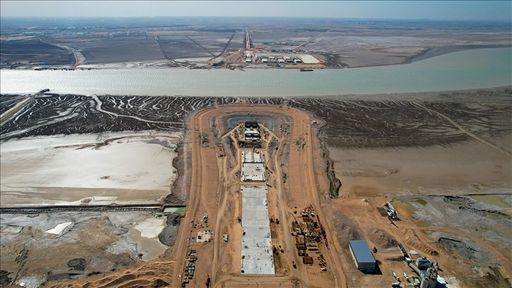
He said the Development Road project, a planned transport corridor from the Gulf through Iraq to Türkiye and Europe, is critical for establishing stability in the region.
‘It’s about win-win’
On water disputes, Kose insisted that the basin of the Tigris and Euphrates, the two rivers with their sources in eastern Türkiye that travel southeast through northern Syria and Iraq to the head of the Persian Gulf, should shift from competition to cooperation.
“Türkiye is making serious efforts to establish the water infrastructure of the two countries, particularly in Iraq,” he said.
Expressing optimism about the future of Iraq, Kose said the real winner of the elections is the Iraqi people, who have defeated conflict and divisions through the ballot box.
Taking part in the discussion, Ali Riza Guney, director general for Iraq-Iran bilateral relations at the Turkish Ministry of Foreign Affairs, emphasised the uniquely strategic nature of Türkiye-Iraq ties.
“Almost every event in Iraq’s domestic and foreign politics directly affects Türkiye,” he said.
Guney praised Iraq’s transformation into “an island of stability” amid regional turmoil, congratulating the Iraqi people for embracing the “banner of Iraqi identity” in an “astonishing and admirable way” despite decades of trauma.
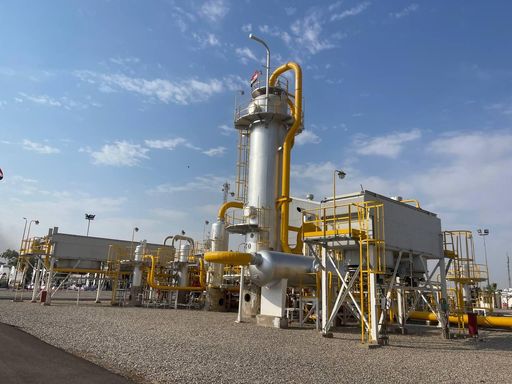
He identified many “constants” in bilateral relations, such as security cooperation against the PKK, a terrorist group with regional affiliates, energy ties, and the Development Road.


He noted that the current Iraqi government, led by Prime Minister Mohammed Shia al Sudani, is implementing a policy focused on service, development, and stability.
Guney stressed Türkiye’s neutral stance towards government formation in Iraq. “We will sit with whoever becomes prime minister and represents the people. Our agenda is clear… it’s about win-win.”
Veysel Kurt of Istanbul Medeniyet University offered a more academic perspective, describing Iraq’s modern history as a near-continuous chain of wars and sanctions.
He said the fact that the elections took place with a high turnout despite the call for a boycott by the Sadr Group – led by Shia cleric and militia leader Muqtada al Sadr – is both important and commendable.
Kurt highlighted shifts within Iraq’s Shia political spectrum, where candidates of parties backed by Iran gained seats.
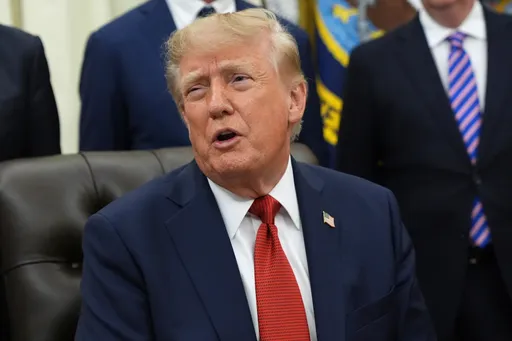
He predicted that the Trump administration’s expected pressure on Tehran will focus on disarming these groups, adding that maintaining both political parties and armed wings simultaneously is “not very rational”.
Country of fragile balances
Kurt suggested that Iran, shaken by recent setbacks like the 12-day war against the US-Israel duo, may prove more flexible in negotiations over its Iraqi allies than widely assumed.
Yet, he cautioned that the electoral exercise is rarely decisive in Baghdad.
“The parliamentary arithmetic shaped by the election results is not the only factor in forming a government,” he said.
Feyzullah Tuna Aygun, an expert on Iraq studies at ORSAM, described contemporary Iraq as the country of fragile balances.
Despite deep sociological and structural vulnerabilities, Iraqis have repeatedly managed to reconstitute consensus after crises, he said.
He pointed to the complete disappearance of independent legislators in the new parliament.
“All the winning (candidates) are from party or coalition lists,” he said.
Aygun warned that Sadr’s boycott, combined with the absence of independent voices, could shift the political platform back to the streets.
At the same time, Iraq’s extremely young population represents a “demographic opportunity window” that, if harnessed through rapid development over the next 30 to 40 years, can propel the country forward.
Sercan Caliskan, Iraq researcher at ORSAM, focused on the success of Sudani’s government in keeping Iraq out of regional conflicts.
“Following the developments in Syria, the Iran-Israel conflict… the Iraqi government and some parallel actors in Iraq were largely successful in uniting around an Iraqi identity and keeping Iraq in a conflict-free environment,” he said.
He identified two major tests for the Iraqi government in the coming days: maintaining non-involvement in external conflicts while advancing reconstruction, and managing internal security risks exemplified by recent attacks in KRG.