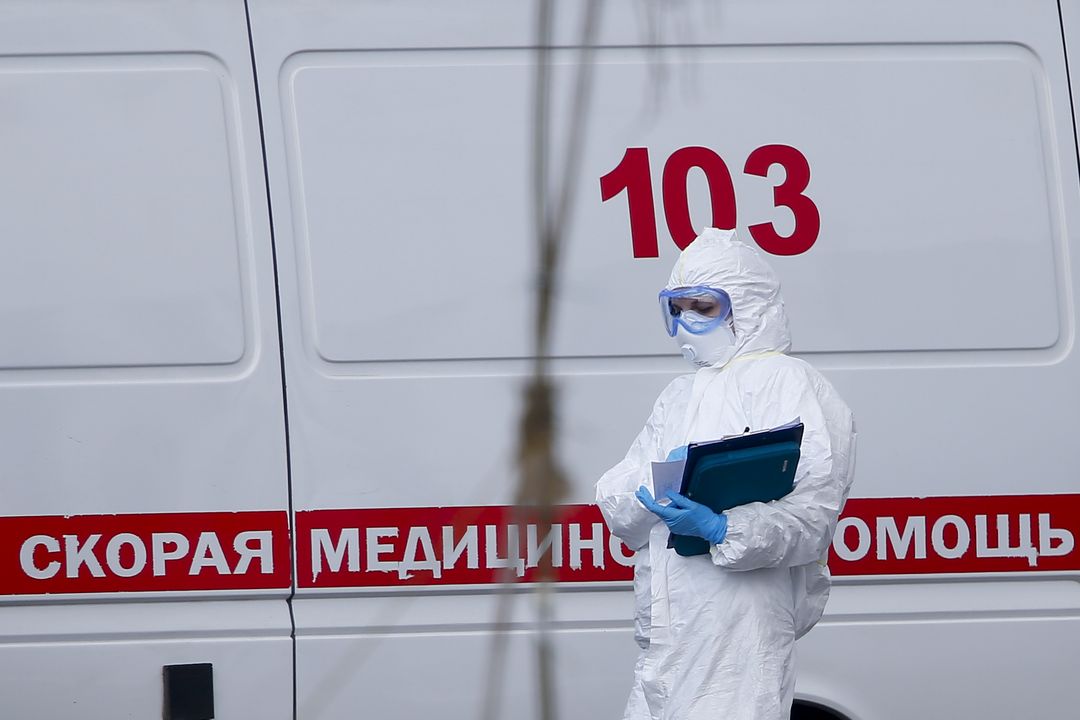
The World Health Organization has said the cause of the pneumonia that killed a Russian laboratory worker at an anti-plague research centre in Siberia remains unknown, but it has found no evidence of ongoing transmission linked to the case.
In a statement on Saturday, the WHO said no case of plague had been registered, and tests on the worker and her contacts were negative for the high-threat pathogens tested.
The 28-year-old researcher Darya Shipilova at the Irkutsk Anti-Plague Research Institute fell ill and died in undisclosed circumstances on October 2, prompting authorities to quarantine about 200 people and fuelling public health fears on social media.
Her contacts remain symptom-free, and no further linked cases of severe pneumonia have been identified, the WHO said, citing information from Russia’s state regulator.
“Based on the information provided, WHO has not identified evidence of ongoing transmission associated with this event. A key uncertainty remains the absence of a confirmed diagnosis in the deceased laboratory worker,” it said.

Russian authorities have said the worker was appropriately vaccinated and that no microorganisms linked to her work were found in her body.








On Thursday, Russia said it had completed health checks on all her contacts and provided full information to the WHO in line with established procedures.
Global health officials have been particularly alert to fatal pneumonia cases of unknown cause since the COVID-19 pandemic, which began with a cluster of rapidly spreading respiratory illness in China.
However, the cause of individual pneumonia cases often remains undetermined.
Plague, caused by the bacterium Yersinia pestis, is endemic to Siberian wildlife, though human transmission remains rare.
Pneumonic plague is the most dangerous airborne form and can be fatal within one to six days if untreated with antibiotics.