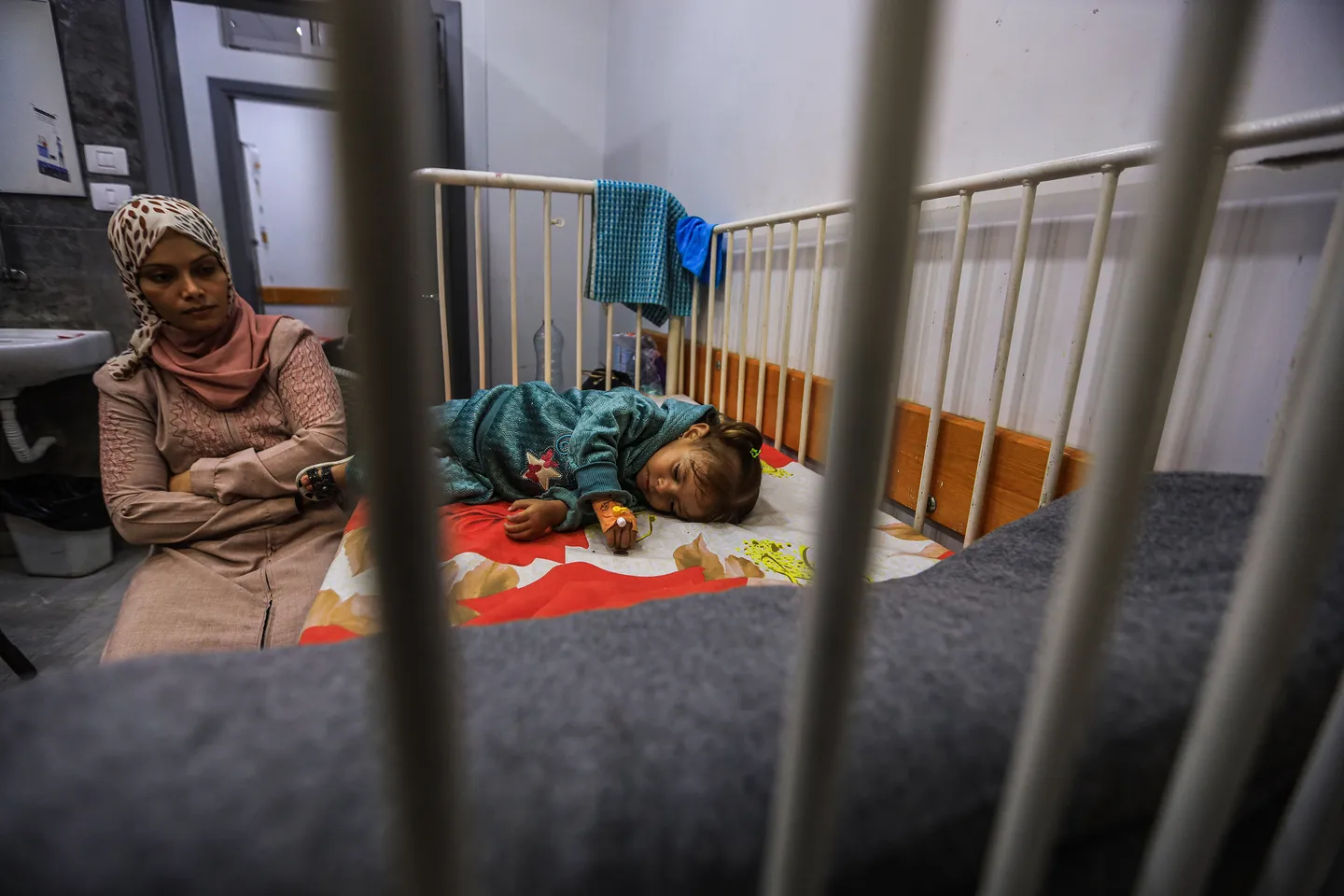
Conditions for medics and patients in Gaza are as severe as ever despite a nearly two-month truce in the territory, the president of medical charity Doctors Without Borders (MSF) has said.
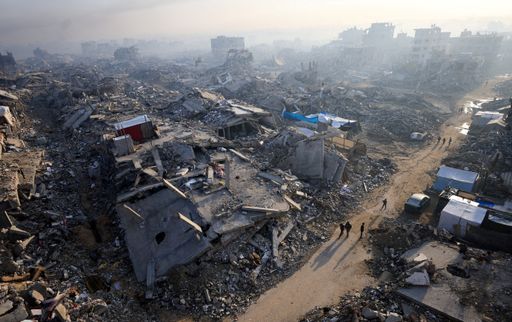
Israel and the Palestinian group Hamas agreed in October to a US-backed truce deal for Gaza, which stipulated an influx of aid to the territory devastated by two years of war and in the grip of a humanitarian crisis.
"It's as hard as it's ever been," Javid Abdelmoneim said of conditions for medical staff operating in Gaza's hospitals, speaking on the sidelines of the annual Doha Forum on diplomacy on Sunday.
"While we're able to continue doing operations, deliveries, wound care, you're using protocols or materials and drugs that are inferior, that are not the standard. So you've got substandard care being delivered," he explained.
376 Palestinians killed despite truce
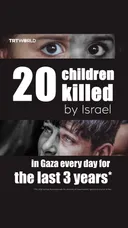
Abdelmoneim, who worked as a doctor in Gaza in 2024, said the ongoing truce was only a "ceasefire of sorts" with "still several to dozens of Palestinians being killed every day by Israel".
Despite the truce, 376 Palestinians have been killed in Gaza, according to local health authorities, as well as three Israeli soldiers.
"We're seeing the injured patients in the emergency rooms in which we work throughout the enclave," he added.

Aid agencies are pushing for more access for humanitarian convoys to enter Gaza while Israel has resisted calls to allow aid through the Rafah crossing from Egypt.
Aid 'weaponised'
The MSF president said that since the truce began, aid "hasn't come in to the level that's necessary".
"There isn't a substantial change and it is being weaponised... So as far as we're concerned that is an ongoing feature of the genocide. It's being used as a chip and that's something that should not happen with humanitarian aid," Abdelmoneim said.
In 2024, MSF said its medical teams had witnessed evidence on the ground in Gaza and concluded that genocide was taking place.
Abdelmoneim said both the lack of supplies and the destruction of hospitals in the Palestinian territory - still not offset by the provision so far of field hospitals - meant care remained inadequate.
"Those two things together mean increased infection rates, increased stays and greater risk of complications. So it is a substandard level of care that you're able to deliver," he said.