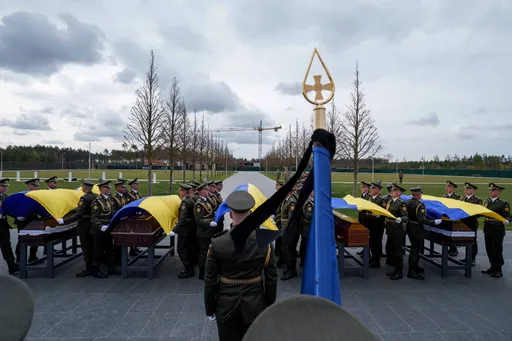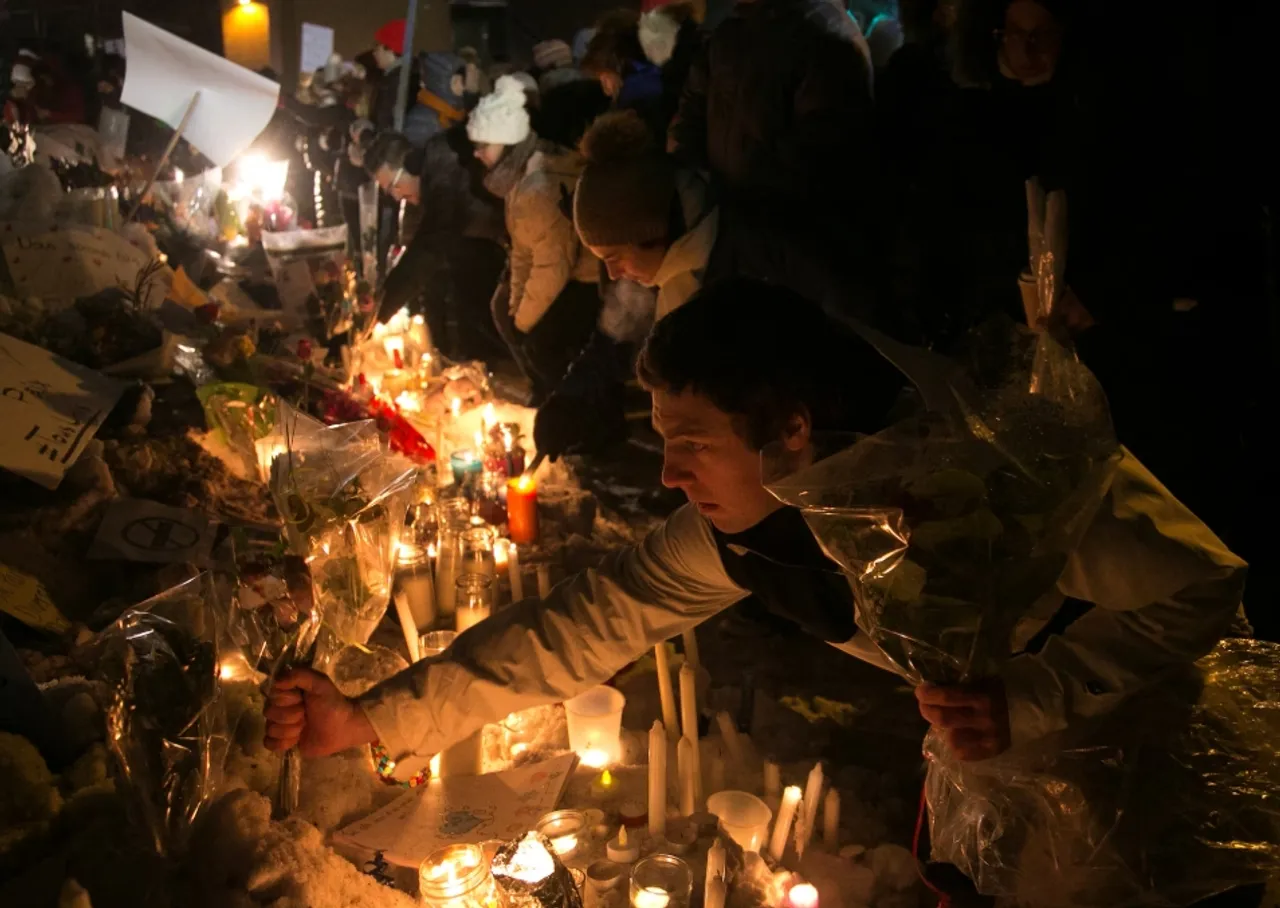
Canadian Muslims on Wednesday marked the anniversary of the 2017 Quebec City mosque attack, remembering the six men killed and renewing calls to confront Islamophobia amid concerns that progress is eroding.
In Montreal’s Pierrefonds borough, residents, advocates, and minority leaders came together to honour the victims of the shooting at the Quebec Islamic Cultural Centre, an attack that remains the deadliest on a house of worship in Canadian history, CityNews Montreal reported.
Six Muslim men were killed when a gunman opened fire during evening prayers on January 29 2017.
Community members said the tragedy fundamentally altered how many Muslims viewed Canada.
“The country we believed to be a place of safety and belonging suddenly felt more fragile than we had ever imagined,” said Ola Shaheen of the Canadian Youth Development Centre, quoted by CityNews Montreal.

The Montreal event was hosted in collaboration with Canada’s special representative on combating Islamophobia, who emphasised that remembrance must be paired with continued action against hate and discrimination.
Dr Kosar Khwaja, a trauma surgeon and critical care physician, said momentum built in the aftermath of the attack appears to have slowed. “I feel like we’re going backwards,” he said, warning that divisions are once again deepening.
Islamophobia in Canada ‘is not benign’




Similar concerns were echoed by Muslim leaders as Canada marked nine years since the attack. Stephen Brown, chief executive officer of the National Council of Canadian Muslims (NCCM), told Al Jazeera that the anniversary is a reminder that Islamophobia in Canada “is not benign.”
“It’s something that unfortunately kills people,” Brown said, noting that while there was an initial push to heal and build bridges after 2017, many Muslims, particularly in Quebec, now see “a massive return to using Islamophobia and spreading fear of Muslims for political gain.”
Brown pointed to Quebec’s state secularism laws, including legislation barring some public servants from wearing religious symbols, and proposed measures that would extend such restrictions to schools and daycares.
Rights groups say the laws disproportionately affect Muslim women and other religious minorities, a claim the provincial government has rejected.

According to Brown, the Quebec government’s approach has sent “the message to society that there’s something inherently dangerous or wrong with being a visible, practicing Muslim,” warning that rhetoric from people in authority can legitimise Islamophobic attitudes and lead to real-world harm.
She also said the government remains committed to tackling hate, citing funding for community groups and anti-extremism initiatives under a national action plan.
Still, Elghawaby acknowledged that Islamophobia is on the rise in the country, saying: “Whether it’s through police-reported hate crimes [or] whether it’s Canadians sharing that they’re experiencing discrimination at work [and] at school.”