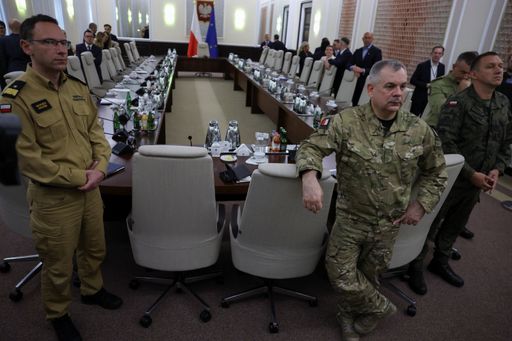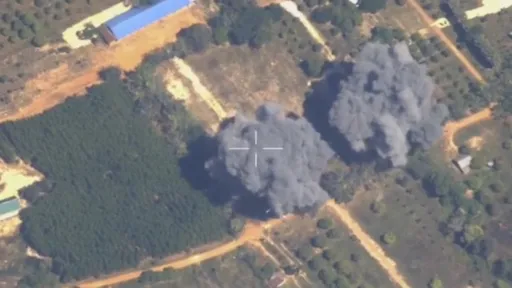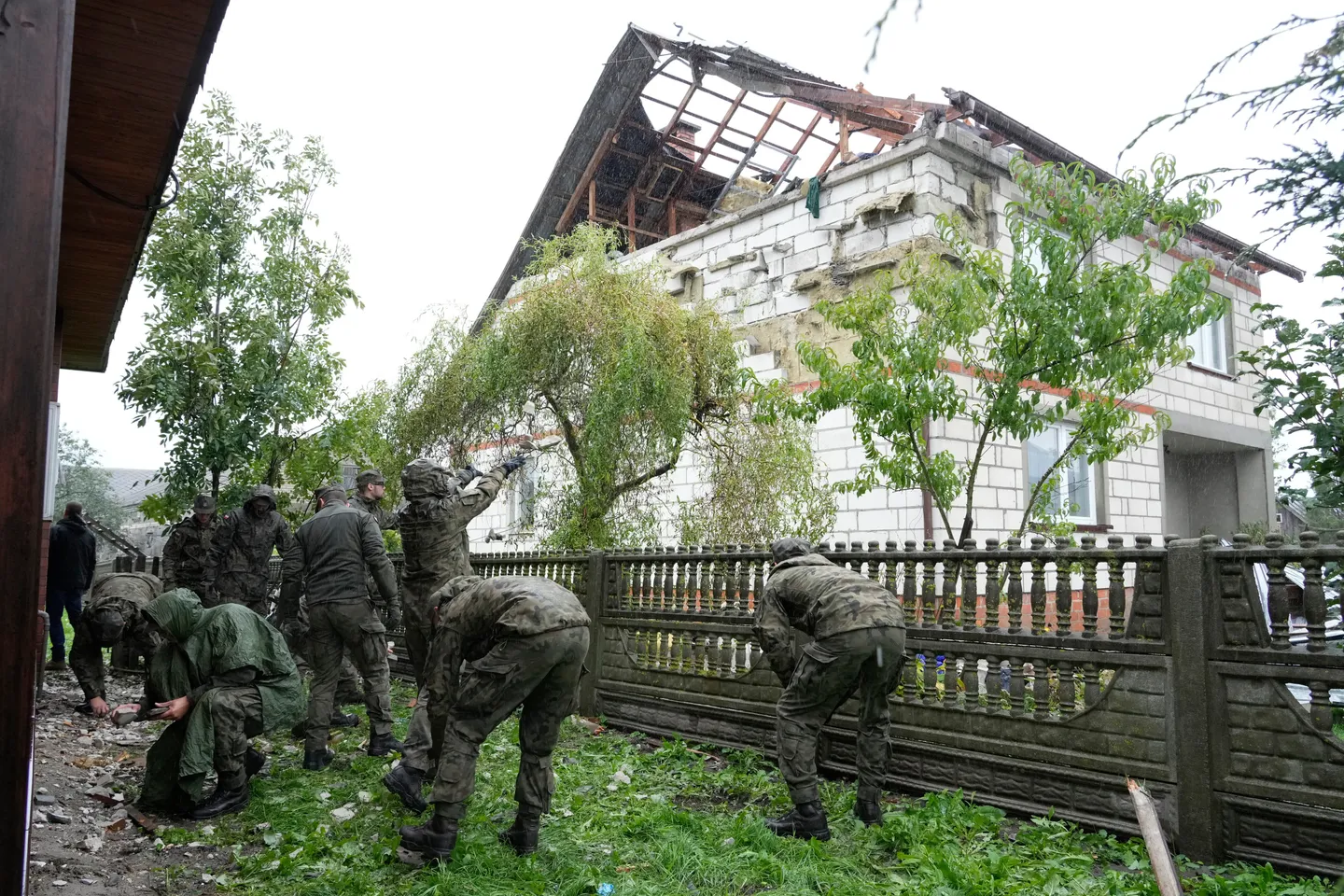
Poland and Romania are deploying a new weapons system to defend against drones, following a spate of incursions — allegedly from Russia — into NATO airspace in recent months that exposed the alliance’s vulnerabilities and put Europe on edge.
The Kremlin has repeatedly rejected allegations that Russia was behind unidentified drones that flew over several European capitals.
The American Merops system, which is small enough to fit in the back of a mid-sized pickup truck, can identify drones and close in on them, using artificial intelligence to navigate when satellite and electronic communications are jammed.
As well as being deployed in Poland and Romania, Merops will also be used by Denmark, NATO military officials told The Associated Press, part of a move to boost defences on the alliance’s eastern flank.
The officials said the aim is to make the border with Russia so well-armed that Moscow's forces will be deterred from ever contemplating crossing.
The need for such technology became acute after around 20 Russian drones flew into Polish airspace in early September. Multimillion-dollar jets were scrambled to respond to drones, which cost tens of thousands of dollars.
Temporarily closed airports
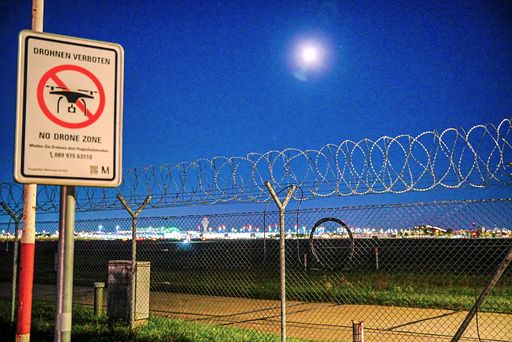
Romania later faced a drone incursion, while drones temporarily closed airports in Copenhagen, Munich, Berlin and Brussels. There were also sightings near military bases in Belgium and Denmark.
While the origin of the drones could not always be traced to Russia or linked to its war in Ukraine, the urgent need to bolster defences is clear. A protracted drone battle — or full-scale war as in Ukraine — would drain Western coffers and limited stocks of missiles.
“What this system does is give us very accurate detection,” said Col Mark McLellan, assistant chief of staff operations at NATO Allied Land Command. “It’s able to target the drones and take them down and at a low cost as well … It’s a lot cheaper than flying an F-35 into the air to take them down with a missile.”








A bird, a plane, or a drone?
Drones fly low and slow, making them hard to pinpoint on radar systems calibrated for spotting high-speed missiles. They can also be mistaken for birds or planes.
The Merops system, NATO officials said, helps plug those gaps.
Merops “basically flies drones against drones,” said McLellan, either by firing directly at the hostile drone or information from the system can be passed to ground or air forces so that they can shoot it down.
Merops gives commanders “a certain amount of time to be able to assess the threat and decide — to shoot or not shoot,” said Brig Gen Thomas Lowin, deputy chief of staff operations at NATO Allied Land Command.
It can be used to protect both critical infrastructure, such as airports, and armed forces manoeuvring in a combat zone, he added.