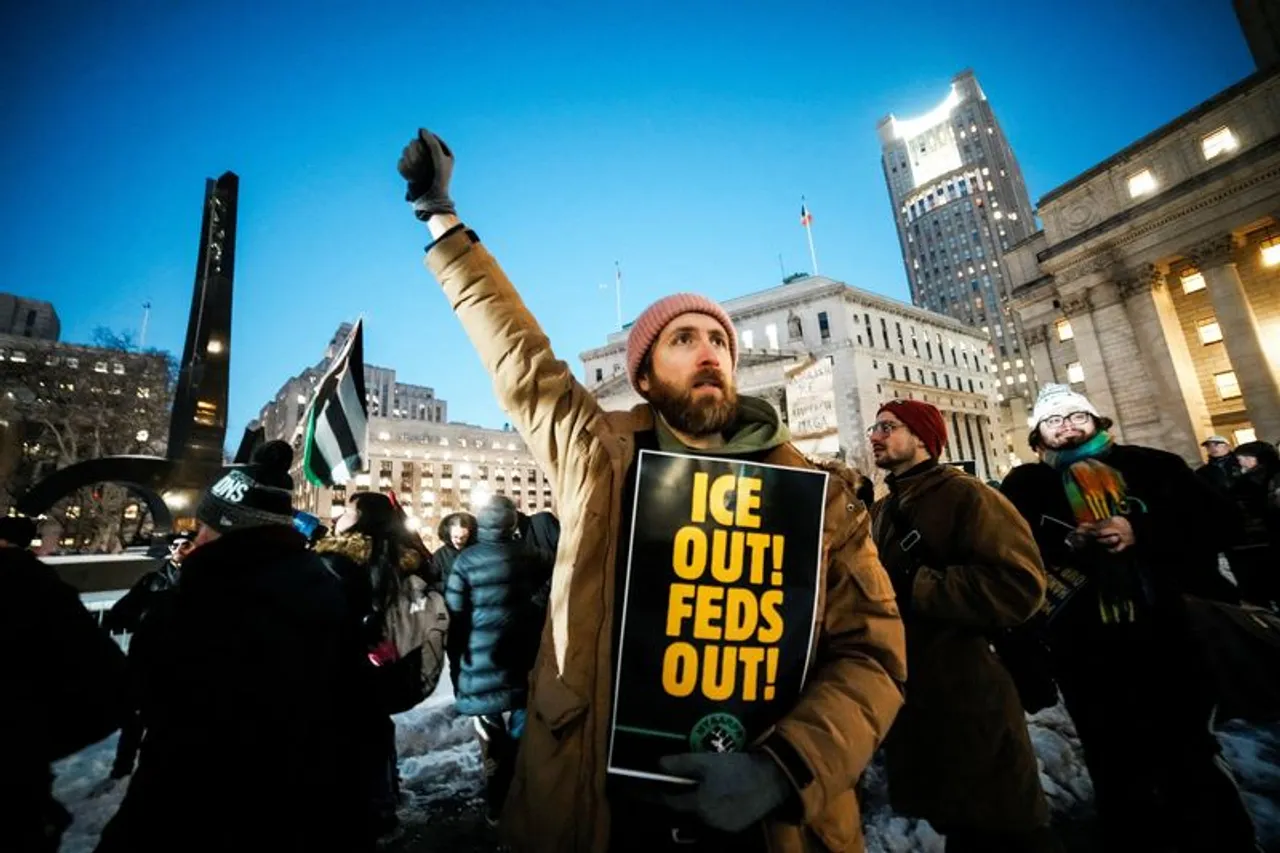
Washington, DC — Escalating violence in Minnesota has driven US President Donald Trump into an unexpected "de-escalation", spotlighting how a tense immigration crackdown has spun so violently out of control that the White House now promises a "more relaxed" approach inside the midwestern state bordering Canada and Lake Superior.
After two deadly shootings involving federal agents and an assault on Congresswoman Ilhan Omar, Trump’s narrative appears to have shifted, with the President openly signalling that Minnesota’s crisis will be handled differently going forward.
The shift marks a remarkable policy inflection point for the administration.
Trump’s recalibration was revealed in an interview with ABC News where he previewed a tone change.
"We can start doing maybe a little bit more relaxed," he said, adding that federal agents "would like to finish the job and finish it well, and I think we can do it in a de-escalated form."
He later tried to soften the optics of the pivot.
"It’s not a question of retreat," he insisted. "We want safe cities. I don’t think it’s a pullback. It’s a little bit of a change."
The backdrop to this shift is an unprecedented escalation of federal enforcement under "Operation Metro Surge," a sweeping deployment of ICE and Border Patrol officers into the Twin Cities that has transformed Minneapolis into the latest frontline in US immigration raids.
Thousands of agents descended on both Minneapolis and Saint Paul to target undocumented migrants, but the operation's collateral damage proved devastating: a five-year-old detained outside school, chemical irritants deployed near children at dismissal, daily life upended, and communities traumatised, resulting in public fury.
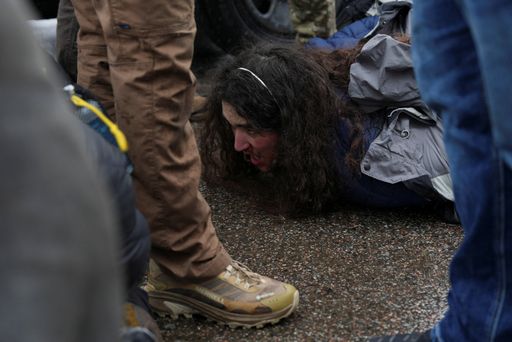
Too far, say Americans
To date, the operation has claimed two American lives and deepened the country's contentious debate over federal enforcement authority.
The first fatality, 37-year-old Renee Good, was shot by an ICE agent during an encounter on January 7. On January 24, ICU nurse Alex Pretti was fatally shot by Border Patrol officers amid a protest.
Early White House accounts labelled Pretti a threat, preparing a "massacre," but video footage and independent reviews undercut that narrative, showing no weapon brandishing and a chaotic struggle that quickly turned deadly.
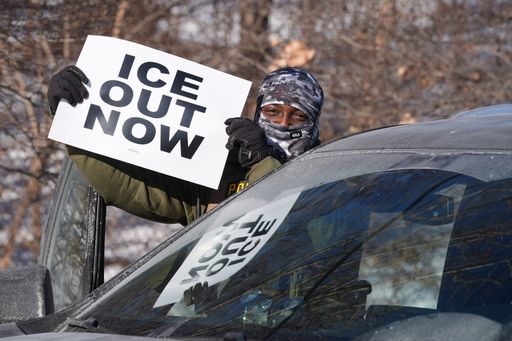
Public reaction was immediate: protests erupted, blasting federal tactics as reckless and unjust.
Minnesota’s political leaders, local officials and business voices found common cause in demanding restraint and accountability.
Governor Tim Walz and Minneapolis Mayor Jacob Frey condemned the federal presence, calling for a significant reduction of forces and impartial investigations.
Walz met with Trump’s border tsar, Tom Homan, this week, pressing for de-escalation and local control over public safety operations.
The White House’s internal shake-up has been dramatic. Border Patrol Commander Gregory Bovino, once the face of the aggressive push, was removed from the Minneapolis operation and demoted, replaced by Homan, a veteran ICE enforcer tasked with managing a growing crisis.
Reuters news agency reports that the leadership change reflects Trump’s attempt at damage control as national outrage mounted and local officials demanded changes.
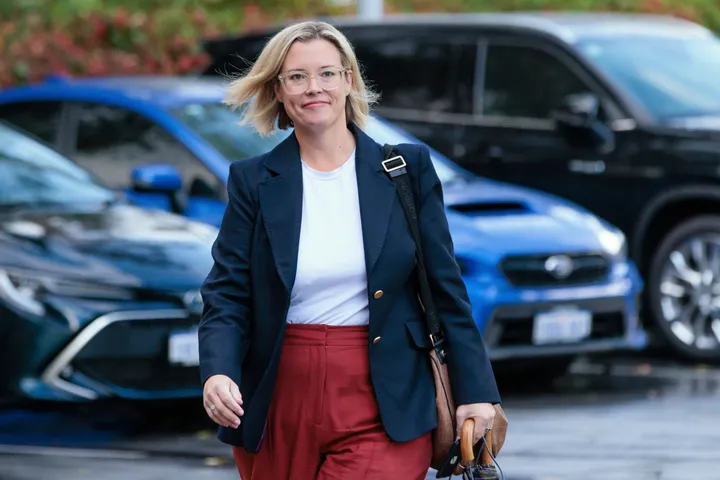
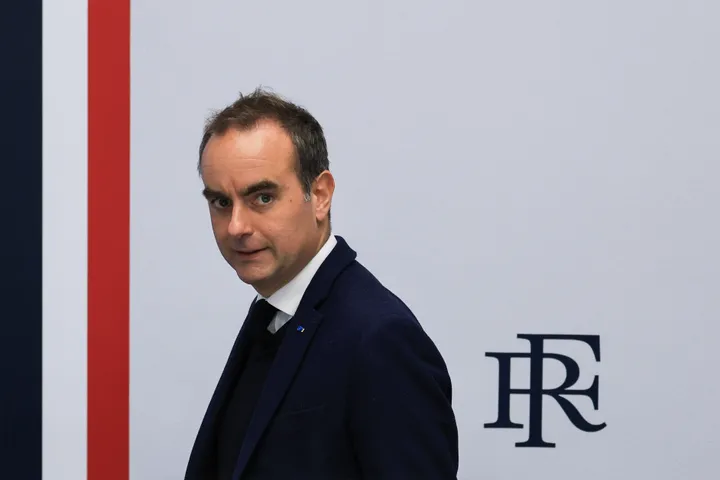





Into this storm dropped the January 27 attack on Congresswoman Ilhan Omar, a Somali-American Democrat who has become one of the most vocal critics of Trump’s immigration policies.
As she lambasted federal enforcement at a Minneapolis town hall, a man rushed the stage and sprayed her with a foul-smelling liquid from a syringe-like device. The assailant yelled, "You must resign," before security intervened, and he was arrested.
Despite the assault, Omar refused medical attention and continued her remarks.
She demanded the abolition of ICE and the impeachment of Department of Homeland Security Secretary Kristi Noem, accusing the administration of elevating enforcement over humanity.
That rhetoric, combined with her prominence as a target of Trump’s own attacks, drew widespread condemnation when she was assaulted.
Lawmakers from both parties denounced the incident; House Minority Leader Hakeem Jeffries labelled efforts to dismiss the attack "disgusting" and tied it directly to the toxic political climate.
Even within the Republican Party, unease has grown. Key GOP senators have called for independent probes into the shootings and reduced federal enforcement, warning that the situation could erode support ahead of the 2026 midterm elections.
Public polling shows a growing share of Americans saying ICE has gone too far.
Economic disruption risk
Minnesota’s eruption has also rippled into the courts and corporate boardrooms. Legal challenges to the federal operation are underway, with federal judges hearing arguments on whether the enforcement actions exceed constitutional authority.
A top federal judge in Minnesota ordered the acting head of ICE, Todd Lyons, to personally appear in court on Friday to explain why he should not be held in contempt of court due to actions by his agency.
Major business leaders have urged de-escalation, saying prolonged unrest and economic disruption risk fracturing community cohesion and undermining local commerce.
Apple CEO Tim Cook said he was "heartbroken" by the situation in Minneapolis, while OpenAI’s Sam Altman noted that ICE "is going too far" in a message to employees. LinkedIn cofounder Reid Hoffman wrote on X that "there is politics, but humanity should transcend that."
Against this backdrop, Trump is attempting to recalibrate federal tactics in Minnesota, projecting that the surge will continue but with a softer tone, even as critics see the shift as a reluctant climbdown in the face of mounting pressure.
"We’re going to de-escalate a little bit," Trump told Fox News. "Bottom line, it was terrible. Both of them were terrible."
Senior White House adviser Stephen Miller, a key figure behind the administration’s hardline agenda, admitted on Tuesday that federal agents "may have breached protocol" in Minneapolis before the shooting and said the White House was reviewing how the operation was executed.
At the same time, the surge in Minneapolis that was meant to signal federal action has become a cautionary tale.
Heavy-handed tactics, two civilian deaths, an attack on a sitting congresswoman, and sustained protests have forced the White House into what it characterises as tactical refinement, not withdrawal.
Whether the "de-escalation" holds, or merely becomes a pause before the next chapter of conflict, is now the defining question of the crisis gripping the heartland of American politics.