 Kazim Alam
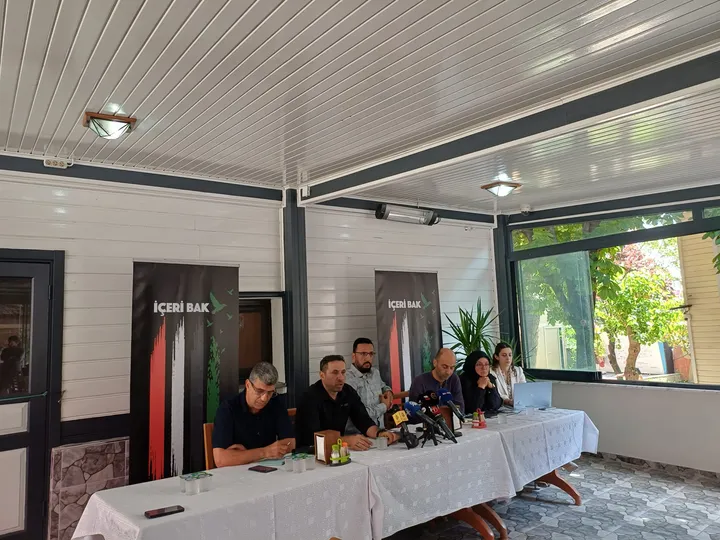
A UK-based human rights group has filed a civil claim in an Argentine court seeking reparations for survivors of the Rohingya genocide.
Filed in Buenos Aires by the Burmese Rohingya Organisation UK (BROUK), the petition targets senior Burmese military leaders and demands that their economic assets be used to compensate victims.
A Muslim ethnic minority group that has lived for centuries in predominantly Buddhist Myanmar, the Rohingya have suffered decades of violence.
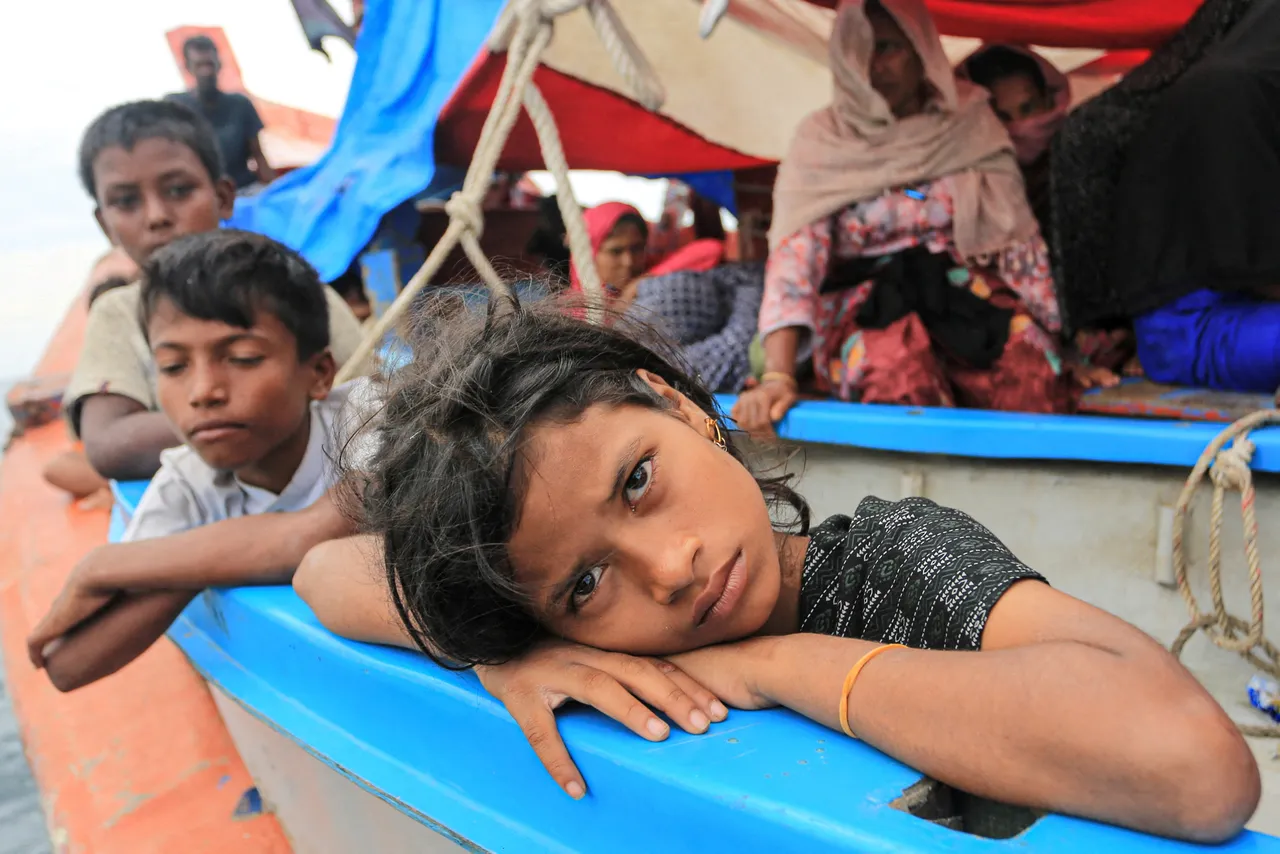
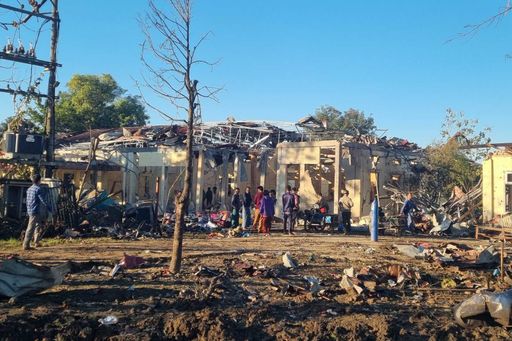
In August 2017, a massive wave of violence in Myanmar’s Rakhine State forced more than 750,000 people to seek refuge in Bangladesh after entire villages were burned to the ground, killing thousands of families.
The petition is filed under the principle of universal jurisdiction, which says that all states have the obligation to prosecute a serious crime like genocide even if it is conducted elsewhere by a non-national.
The civil claim is part of a criminal investigation in Argentina, where the judiciary is already pursuing charges against senior Burmese military officials for genocide and crimes against humanity against the Rohingya.
The petition names Commander-in-Chief Min Aung Hlaing and Deputy Commander-in-Chief Soe Win, among others, and urges the court to identify and seize assets linked to the military’s vast business empire.
Tun Khin, president of BROUK, described the filing as a critical step towards meaningful justice for the persecuted community.
“(The) Rohingya have suffered through a decades-long genocide, affecting every aspect of their lives,” Khin said in a press statement on Friday.
Under international human rights law, victims of gross violations have a recognised right to reparations, including financial compensation, rehabilitation, public apologies and guarantees of non-repetition.
“The generations of Rohingya victims – whether still in Burma or living as refugees elsewhere – have a right to reparations, and we hope this case in Argentina will be the first real step towards that,” Tun Khin said.
The petition highlights assets identified by the UN Independent International Fact-Finding Mission on Myanmar, including the two major military-owned conglomerates, namely Myanmar Economic Holdings Limited (MEHL) and Myanmar Economic Corporation (MEC), as well as other “crony companies” tied to the armed forces.
BROUK has asked the Argentine court to collaborate with the UN mechanism and domestic financial investigators to trace further assets that can fund compensation.
According to Maung Zarni, a UK-based genocide scholar originally from Myanmar, the Argentine civil claim sets a precedent in terms of universal jurisdiction in post-Holocaust legal history.
“But like all judicial decisions coming out of the existing body of UN and state-based courts, even if reparations are ordered, the Argentine court ruling amounts to little or nothing if it cannot be enforced,” he tells TRT World.
He says the genocide in Myanmar is not the work of isolated individuals. “Genocide is a crime jointly perpetrated by the state organs… and dominant society at large. Seeking reparations has to mean reparations from these institutions,” he says.
Who are the Rohingya?
A Muslim minority in majority-Buddhist Myanmar, the Rohingya have faced systematic persecution for more than four decades.
In 1978, the military regime of General Ne Win launched Operation Dragon King, which drove about 200,000 Rohingya into Bangladesh.
Many of them later returned, only to face renewed cycles of discrimination, denial of citizenship under the 1982 Citizenship Law that turned members of the community into “resident foreigners”.
The 2017 military crackdown marked the most brutal phase of the ongoing persecution of the Rohingya.



Triggered by attacks on police posts by the Arakan Rohingya Salvation Army, Myanmar security forces unleashed what the UN described as a “textbook example of ethnic cleansing”.
More than 730,000 Rohingya fled to Bangladesh in a matter of months.
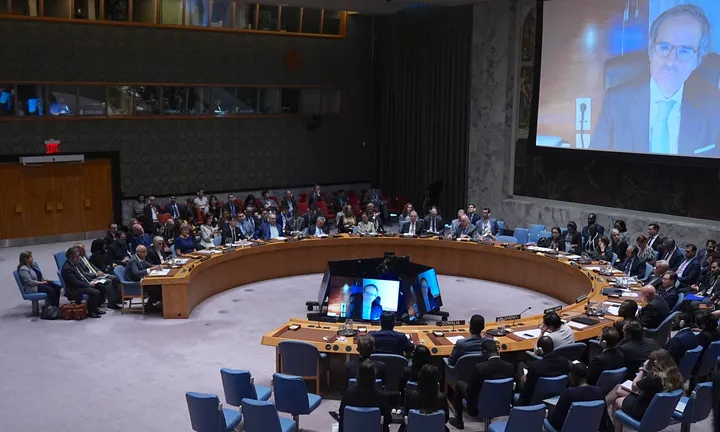
The UN Fact-Finding Mission later concluded that the operations “bore the hallmarks of genocide”.
In 2022, the US formally determined that the Myanmar military had committed genocide against the Rohingya.
Today, over a million Rohingya remain in overcrowded camps in Bangladesh, facing little prospect of safe return.
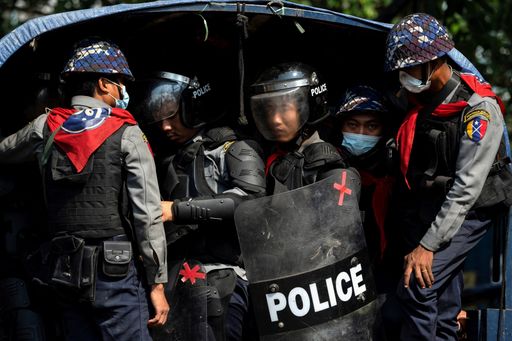
Inside Myanmar, those who stayed suffer severe restrictions, while the country has been plunged into civil war since the military’s 2021 coup against the government of Aung San Suu Kyi, who herself is now imprisoned.
What began as widespread protests have now evolved into a nationwide armed resistance involving ethnic militias and armed groups challenging the junta, also known as the Tatmadaw or feudal army.
The military controls major cities like Yangon, but rebels hold parts of border regions, leading to a patchwork of control that experts describe as “internal balkanisation”.
Reparations, financial and otherwise
Zarni, the genocide scholar, acknowledges the symbolic importance of naming generals for personal asset seizure as they bear the “highest personal criminal responsibility” for the genocide.
However, he insists that the naming exercise “simply does not make sense” beyond establishing in a court of law that each individual bears criminal responsibility.
On the practicality of seizing military conglomerates such as MEHL and MEC, Zarni is blunt: “(There’s) absolutely zero chance of military-owned economic institutions such as those named in the case to comply with any court order for reparations for the Rohingya,” he says.
International legal rulings are “typically not enforceable”, he adds.
Instead, Zarni points to the far greater leverage held by the US in the shape of sanctions.
“The US treasury has incomparably greater power to exact economic punishment,” he says, adding that the talk of reparations will remain symbolic unless Washington decides to back a court order.
About $1 billion belonging to Myanmar’s military rulers remains frozen in the US banking system since 2021.
Asked what non-financial reparations matter most to the Rohingya, Zarni says the recognition of the full historical scope of their suffering is important.
“It is still important for the victims to receive legal recognition by the world’s court of the gravest crimes the Rohingya have suffered,” he says.
“I would still consider court rulings as something worthwhile, although they will not guarantee no repetition of the same crimes against the Rohingya.”