Israel is falsely claiming that Palestinian resistance group Hamas is not abiding by the terms of US President Donald Trump's 20-point Gaza peace plan.
On Wednesday, Israeli Minister for Strategic Affairs Ron Dermer reportedly spoke to Trump's envoys Steve Witkoff and Jared Kushner and accused Hamas of "slow-walking" the return of the remains of some 19 captives.
However, securing remains of captives presents a significant challenge for Hamas and countries helping the group to find bodies under millions of tonnes of cement and mangled steel.
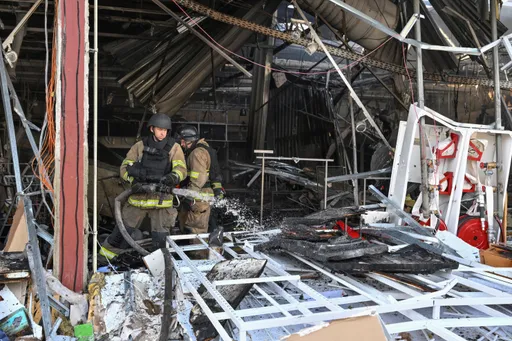
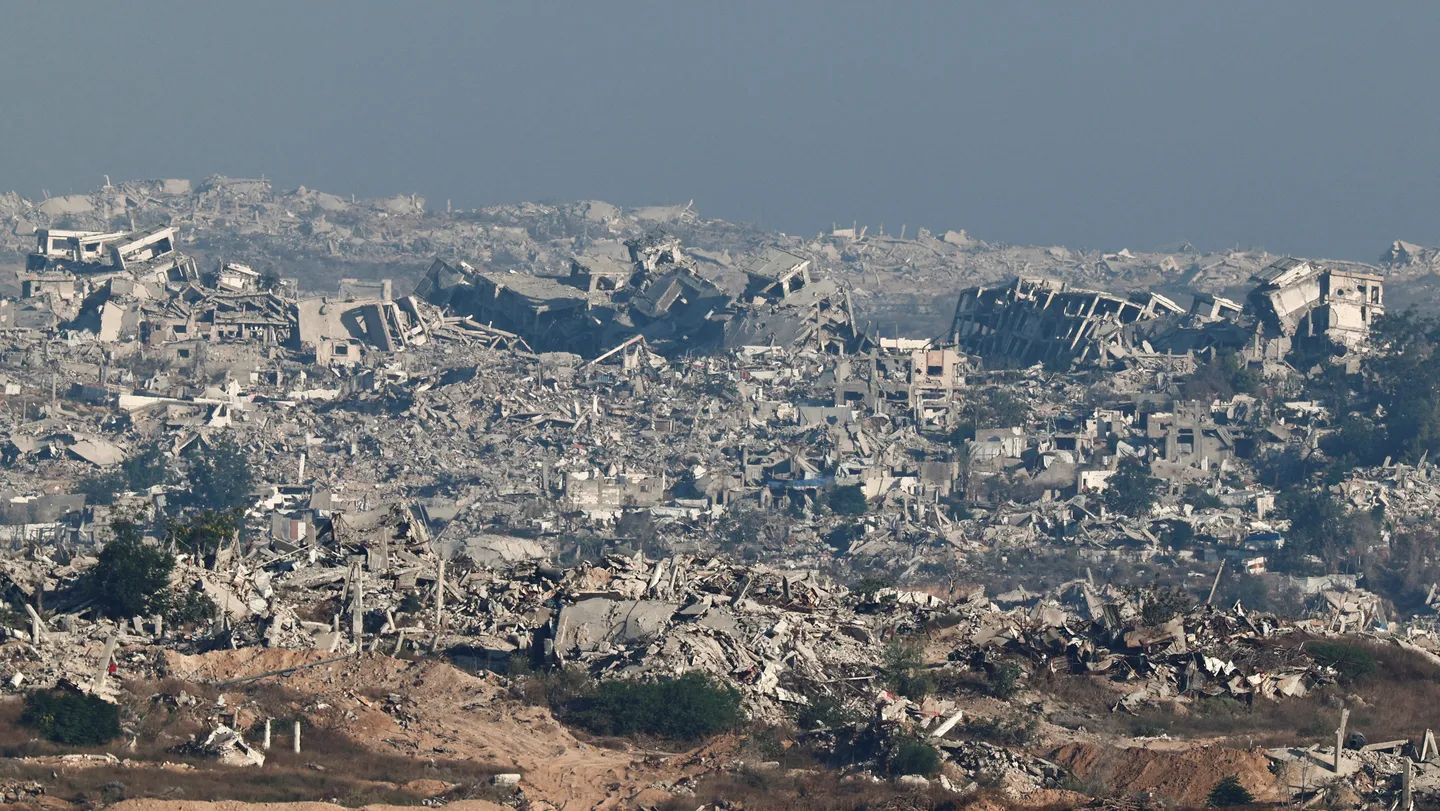
According to Gaza's government media office, between 65 and 70 million tonnes of rubble now blanket the besieged enclave, describing it as "an environmentally and structurally devastated area" that blocks aid and recovery.
"The process of removing this massive rubble faces severe obstacles, most notably the lack of heavy equipment and machinery due to the Israeli occupation’s ban on their entry," the office said, urging Israel to open border crossings.
Officials also warned of about 20,000 unexploded bombs and missiles scattered across Gaza, posing "a grave threat to the lives of civilians and field workers." Each mound of debris, they said, conceals the dead — and the living memory of what once stood there.
Meanwhile, the search for the bodies of Israeli hostages believed to have been killed in Israeli bombardment has grown increasingly desperate across the enclave.
Rescue teams, often digging by hand, say the devastation has turned recovery efforts into a race against time.
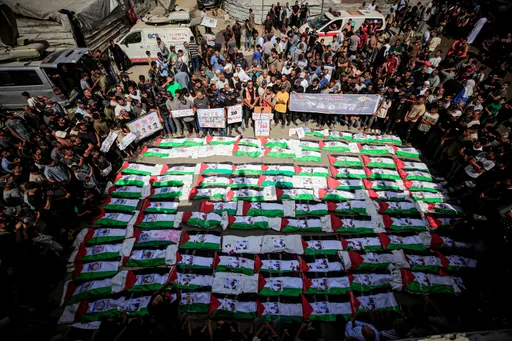
On Thursday, Gaza's Health Ministry said it had received the remains of 30 more Palestinians from Israel under the current ceasefire arrangement, bringing the number of bodies returned since Friday to 120.
The grim exchanges underscore the scale of the loss, as families wait for fragments of closure amid a landscape where destruction has become the only constant.
In a statement, the ministry said that medical teams were documenting and examining the bodies before returning them to their families.
"Signs of abuse, beating, handcuffs, and blindfolding were visible on some of the bodies," the ministry said.
The transfers come under the first phase of the Gaza ceasefire deal between Israel and Hamas, which included the release of Israeli hostages in exchange for nearly 2,000 Palestinian prisoners.
Human rights organisations say Israel continues to hold the remains of 735 Palestinians, including 67 children, while Israeli media reports suggest that nearly 1,500 bodies from Gaza are kept at the Sde Teiman military base in the Negev Desert.
'It's a gruesome process' — Trump
Hamas says it has fulfilled its obligations by returning all the bodies it could reach, but that further recovery required heavy machinery and specialised equipment.
"The Resistance has fulfilled its commitment to the agreement by handing over all living Israeli prisoners in its custody, as well as the corpses it could access," the Qassam Brigades said.
"As for the remaining corpses, it requires extensive efforts and special equipment for their retrieval."



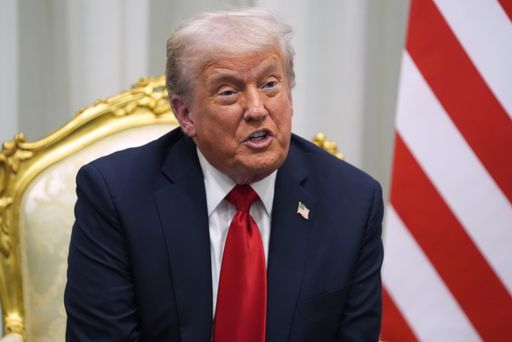
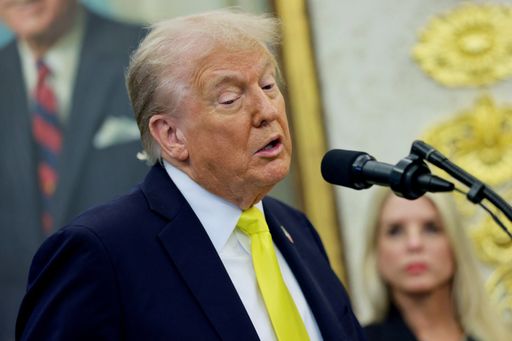
US President Donald Trump said on Wednesday that Hamas was "absolutely" searching for the bodies of deceased Israeli hostages as part of his 20-point ceasefire plan.
"It’s a gruesome process," he told reporters.
"They’re digging through rubble and tunnels. Some of those bodies have been there a long time, and some are under rubble. They have to remove rubble."
Trump reiterated that Hamas must disarm under the terms of the ceasefire agreement, warning that "if it refuses, we’ll do it."
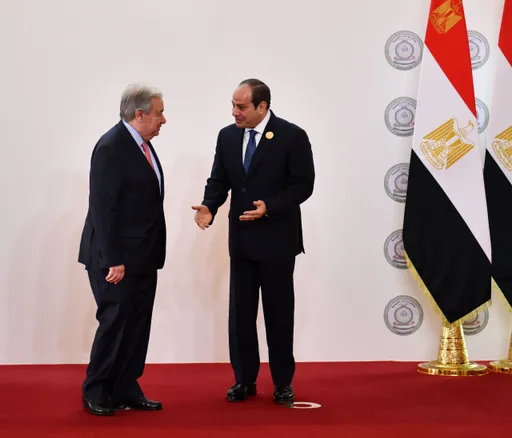
Egyptian Foreign Minister Badr Abdelatty said Cairo was coordinating closely with both Israel and the United States to assist in the recovery of bodies.
"We are doing our utmost efforts on the ground in order to collect the deceased bodies and to hand them over to the Israeli side in implementation of the agreement," he told CNN.
"Collecting the remains will take some time due to the difficulties in the recovery of the bodies under the rubble."
He said Egypt had informed Washington and Tel Aviv that the conditions on the ground made the process slow and dangerous.
Abdelatty also called for the reopening of the Rafah border crossing to "flood Gaza with food and relief materials," describing the humanitarian situation as "catastrophic."
Türkiye joins Gaza recovery mission
Meanwhile, Türkiye has sent 81 disaster relief experts into Gaza, among them search-and-recovery teams from its Disaster and Emergency Management Authority (AFAD), to assist in the painstaking hunt for bodies across the devastated enclave, AFP news agency reported.
Citing a source from the Turkish Defence Ministry, it said one unit was concentrating on finding the remains of 19 hostages still unaccounted for. The mission unfolds under perilous conditions, with much of Gaza reduced to rubble by nearly two years of Israeli bombardment.
In Israel, far-right politicians have urged hawkish Prime Minister Benjamin Netanyahu to link humanitarian aid to the return of bodies, a demand Egyptian and Turkish officials warn could imperil ongoing recovery operations.
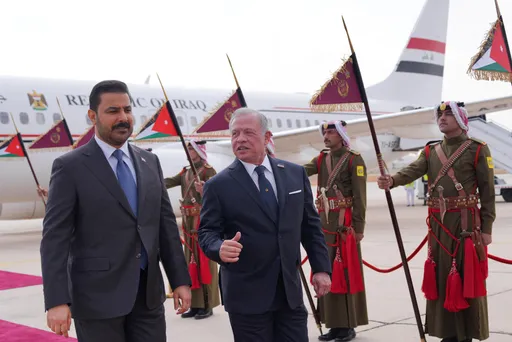
Cairo and Amman are coordinating efforts to train up to 10,000 Palestinian policemen to help restore order and stability in Gaza as the ceasefire's next phase begins.
"The world must realise that recovery is not simply about exchanging remains," said an Egyptian official involved in the process.
"It’s about digging through a destroyed landscape where entire families, entire blocks, are buried beneath what used to be homes."