 Sadiq S Bhat
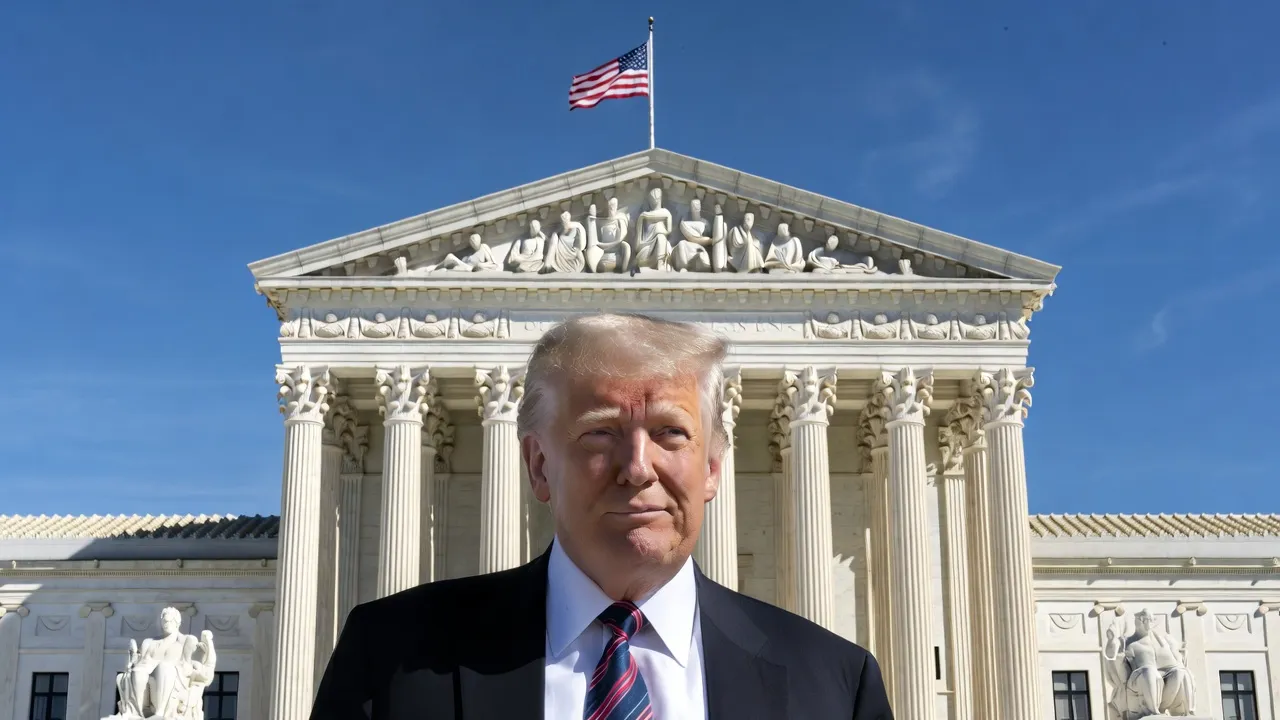
Washington, DC — The US Supreme Court has deferred a ruling in a landmark case that could reshape the boundaries of presidential authority over trade, leaving businesses, global investors, and policymakers in limbo.
The decision, originally scheduled as part of the court’s Friday releases, came and went without explanation, extending uncertainty over a policy that has already upended global supply chains.
Reuters reported that the Supreme Court will not issue a ruling on Friday in a closely watched case that challenges the legality of President Donald Trump's sweeping global tariffs.
The case stems from widespread tariffs imposed by Trump in 2025 under the International Emergency Economic Powers Act (IEEPA), a 1977 statute designed to grant presidents authority to act in declared national emergencies through economic measures.
US President invoked the law after declaring a national emergency due to persistent US trade deficits, targeting more than $150 billion in imports from China, India, and key allies, including Canada and the European Union.
The administration pitched the duties as “reciprocal tariffs,” aimed at forcing fairer trade and strengthening domestic manufacturing.
In practice, they pushed US average tariff rates above pre-2025 levels, complicating customs enforcement, adding costs for importers, and drawing fierce criticism for bypassing Congress.
A battery of cases
More than 1,000 companies filed suits, including some of the country’s largest importers. Plaintiffs argued IEEPA does not grant the US president sweeping authority to impose broad trade taxes, a law intended to control foreign assets rather than set tariffs.
They framed the policy as a breach of the separation of powers, warning that unchecked executive authority could upend the constitutional balance.
Lower courts sided against the Trump administration.
In May 2025, the US Court of International Trade ruled the tariffs illegal, a judgment the Federal Circuit upheld in August.
Judges there noted IEEPA’s regulatory authority does not extend to broad import duties, rejecting the administration’s claim that “emergency” powers could override statutory limits.
US Supreme Court took up the case in late 2025.
At stake is more than the immediate legality of the duties: a ruling against the administration could obligate the federal government to pay billions in refunds, disrupt long-term economic planning, and force a rethink of how the executive branch can intervene in trade policy.
White House advisors have indicated that, regardless of the court’s eventual decision, Trump could turn to alternative legal avenues to achieve the same objectives.





Plan B for Trump tariffs
US National Economic Council Director Kevin Hassett said the White House could deploy alternative measures if the Supreme Court rules against Trump’s use of emergency powers to impose sweeping levies.
“There was a big call last night with all the principals to talk about if the Supreme Court were to rule against this IEEPA tariff, what would the next step be?” Hassett told CNBC on Friday.
“Our expectation is that we’re going to win, and if we don’t win, then we know that we’ve got other tools that we could use that get us to the same place,” he added.
Hassett is among the leading candidates for the Federal Reserve chair as Trump nears a decision on Jerome Powell’s successor, with Powell’s term set to expire in May.
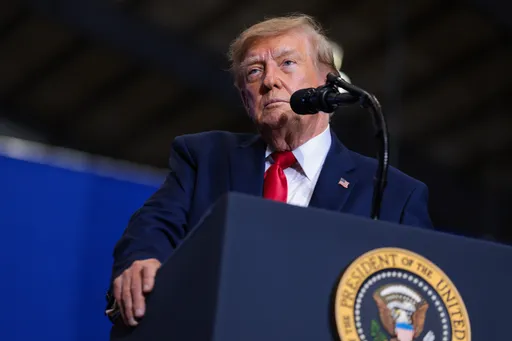
Trump, who has described the matter as "life and death”, is watching the developments closely.
A ruling against Trump would derail his tariff strategy and could ease pressure on markets, as it would likely lower the average effective tariff rate from the current estimated 12%.
Experts also warn that a ruling declaring the tariffs unconstitutional could trigger refunds for duties already collected.
The administration would then have to impose duties on a country-by-country, commodity-by-commodity basis, rather than the broad tariffs previously applied under IEEPA.
On Friday, markets reacted with muted volatility. Traders and investors expressed caution, weighing the potential impact of both a decisive ruling and prolonged uncertainty.
Globally, manufacturers and exporters remain on edge.
Experts note that the case’s significance goes beyond tariffs. Its precedent could define future presidents’ unilateral powers, reshape Congressional oversight, and send a message to global partners about the limits of US executive authority.
As businesses and countries around the world brace for the next chapter in this blockbuster case, the contours of US trade policy have already changed.
For now, Washington waits. Wall Street waits.
A ruling from the Supreme Court is now likely on January 14.