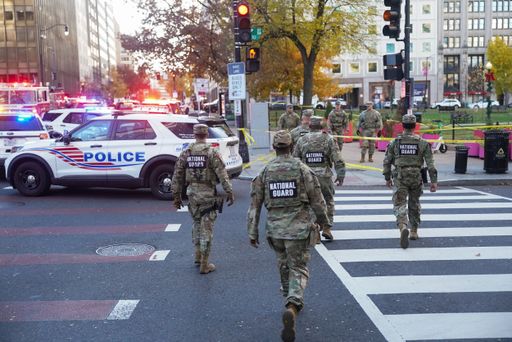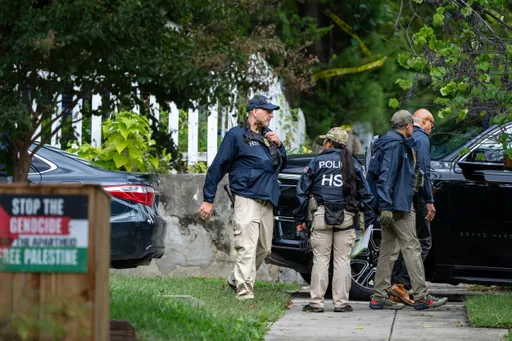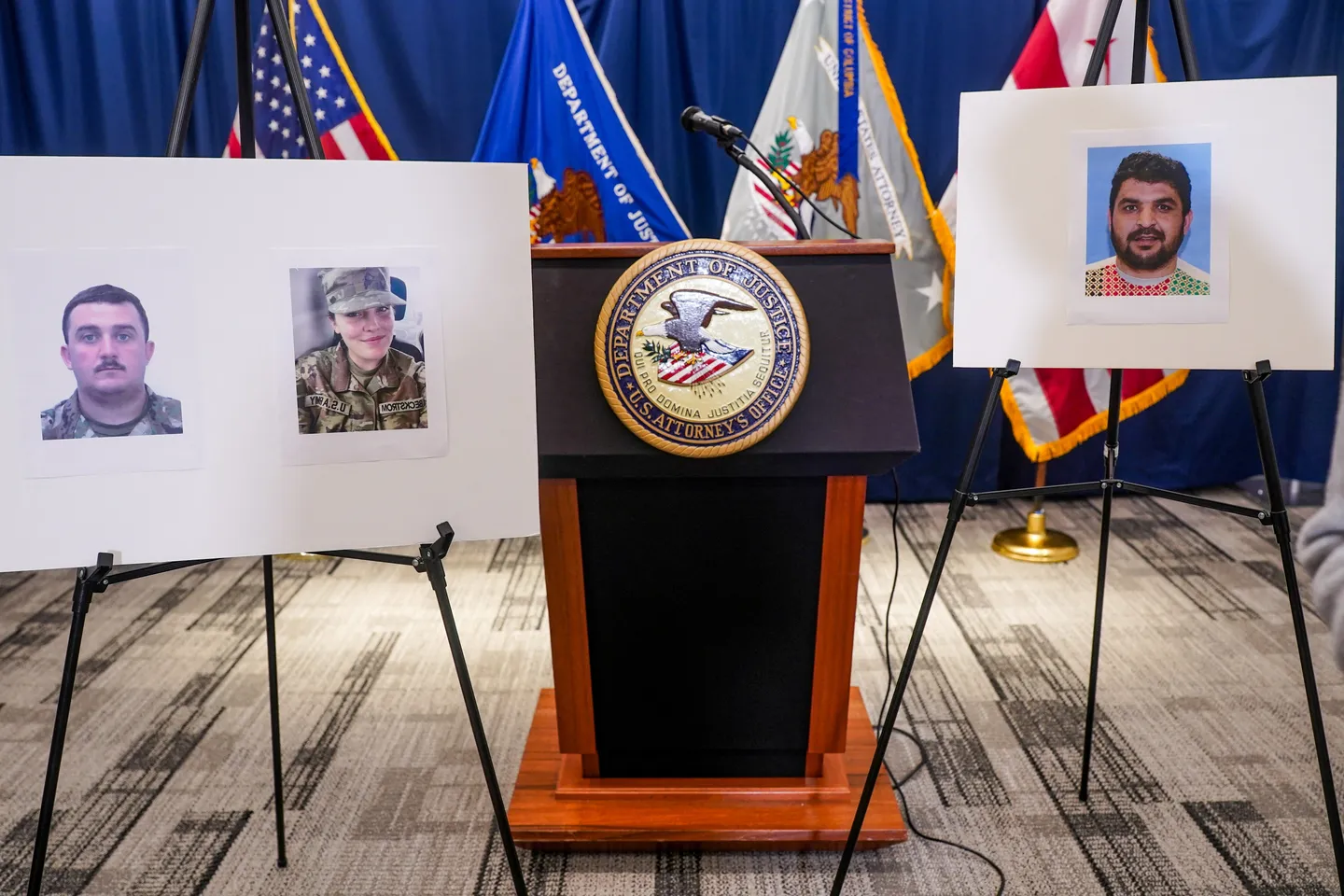
Washington, DC — On the eve of Thanksgiving 2025, as families across the US gathered for a holiday, an ambush unfolded blocks from the White House in Washington, DC, near the Farragut West/Square Metro station on the National Mall.
Rahmanullah Lakanwal, a 29-year-old Afghan national who had once fought alongside American forces in Afghanistan against the Taliban, allegedly opened fire on two West Virginia National Guard members patrolling the National Mall.
Army Specialist Sarah Beckstrom, 20, was killed, and Air Force Staff Sgt. Andrew Wolfe, 24, was left critically wounded in the attack.
The shooting, carried out with a .357 Smith & Wesson revolver after Lakanwal drove more than 2,700 miles from his home in Bellingham, a coastal city in Washington State, near the Canadian border, sent shockwaves through communities already dealing with the fragile intersections of war, resettlement, and politics.
As investigators probe a motive, potentially tied to radicalisation in the US, the incident has opened debates over immigration, veteran support, and cultural blame, while raising deep anxieties among the very Afghans the US once pledged to protect.
Lakanwal's path to America was forged in Afghanistan during America’s long war against the Taliban.
From 2018 to 2021, he served in an elite Afghan Army unit known as a "Zero Unit," a CIA-backed counterterrorism squad operating in volatile Kandahar Province.
These special forces, often criticised by human rights groups, were key to US special operations, training Afghans to conduct raids and gather intelligence on the enemy.
Lakanwal's role meant that he got a spot in Operation Allies Welcome, the Biden administration's hurried evacuation effort following the 2021 US withdrawal from Afghanistan.
Amid the chaos of Kabul's fall, about 73,000-77,000 Afghans like him, mostly soldiers, allies, and interpreters, were airlifted and resettled across the US, granted Special Immigrant Visas.
Lakanwal arrived in the US around September 2021 with his wife and five young sons, all under 12, settling in the rainy Pacific Northwest town of Bellingham, about 80 miles north of Seattle.
But the promise of refuge soon turned into isolation and despair for him, according to reports.
Emails obtained by The Associated Press, exchanged between a community advocate and the US Committee for Refugees and Immigrants (USCRI) in early 2024, paint a harrowing portrait of Lakanwal's decline.
'Permanent pause'
Once a provider for his family, he quit his job in March 2023 and withdrew into "dark isolation," spending weeks holed up in a room, often unresponsive.
His wife described sending their toddler sons into the room with phones or notes, as he refused to emerge.
The family teetered on eviction after months of unpaid rent, and during one week when his wife was visiting her relatives, the children went unbathed, unchanged, and poorly fed, prompting alarms from their school.
Lakanwal's mental health spiralled, resulting in manic episodes that led to reckless, cross-country drives to places like Chicago and Arizona, lasting days without rest.
Reports suggested that he struggled to hold jobs or attend English classes, which were mandatory under his resettlement terms, and shuffled between neglect and fleeting attempts at amends.
The email trail clearly points to his decline.
"World Relief volunteers are trying to patch things for that family — but I think the father has mental health issues that are not addressed, and he won't talk to anyone," an email, sent the year before Lakanwal's asylum claim was approved, reads in part.



In another email sent January 31, 2024, the case worker said Lakanwal had "not been functional as a person, father and provider since March of last year, 03/2023."
The email also describes "manic episodes for one or two weeks at a time, where he will take off in the family car,"
USCRI visited in March 2024, but Lakanwal avoided taking any help, leaving his case in limbo.
After the DC shooting, US Homeland Security Secretary Kristi Noem claimed he was "radicalised" in the US through community and family ties, without much evidence.
The shooting thrust Lakanwal's story, and America's promises to its Afghan allies, into the national spotlight.
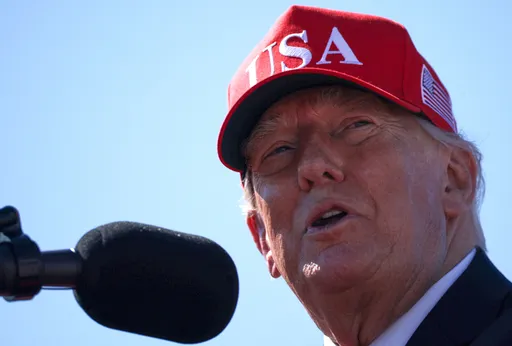
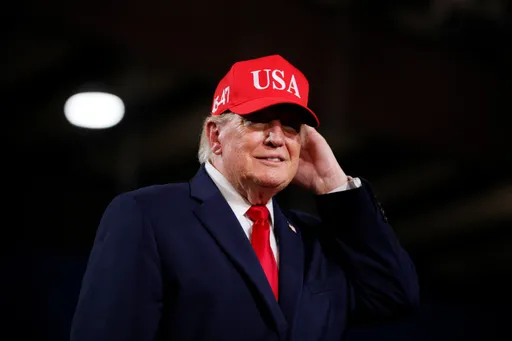
US President Donald Trump condemned the attack as a "crime against our entire nation" and a product of Biden-era "catastrophic failures."
In a broader salvo, Trump and his allies, including deputy chief of staff Stephen Miller, pivoted blame towards "importing Afghan culture to America," arguing that migrants at scale "recreate the conditions and terrors of their broken homelands."
Trump vowed to "permanently pause" migration from poorer nations and expel millions, while inviting the victims' families to the White House, moves that halted all US asylum decisions and Afghan visa issuances in the attack's immediate aftermath.
For the estimated 100,000 Afghan refugees now in the US, the shooting has intensified a chilling undercurrent of fear.
"People are acting xenophobic because of one deranged man," said one advocate, capturing the sentiment coursing through Afghan diaspora networks.
Many Afghans living in the US are afraid to leave their houses, fearing they'll be swept up by immigration officials or attacked with hate speech, said Shawn VanDiver, president of the San Diego-based group #AfghanEvac.
"They're terrified. It's insane."
Surge in anxious calls
Refugee organisations report a surge in anxious calls.
Matthew Soerens, a vice president with World Relief, an organisation that helps settle refugees, said the person responsible for the shooting should face justice under the law.
"Regardless of the alleged perpetrator’s nationality, religion or specific legal status, though," he said, "we urge our country to recognise these evil actions as those of one person, not to unfairly judge others who happen to share those same characteristics."
Ambassador Ashraf Haidari, president of Displaced International, said in a statement that there must be a thorough investigation and justice for those who were harmed, “but even as we pursue accountability, one individual’s alleged actions cannot be allowed to define, burden, or endanger entire communities who had no part in this tragedy.”
USCIS has meanwhile announced it would start considering "country-specific factors" for applicants from several countries as "significant negative factors" in certain immigration applications.
As Lakanwal faces murder charges in federal court, his case remains a case in point.
For Afghan refugees, it's a stark reminder: the refuge they sought may now feel like a trap, shadowed by the very country that once called them heroes.