 Esra Karataş Alpay
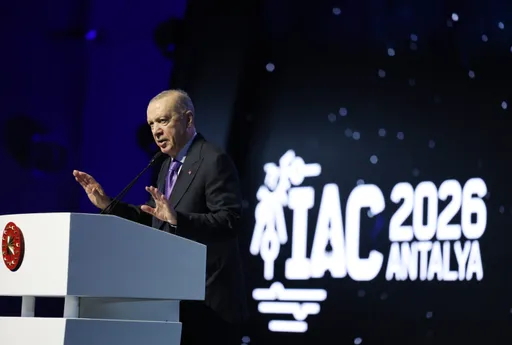
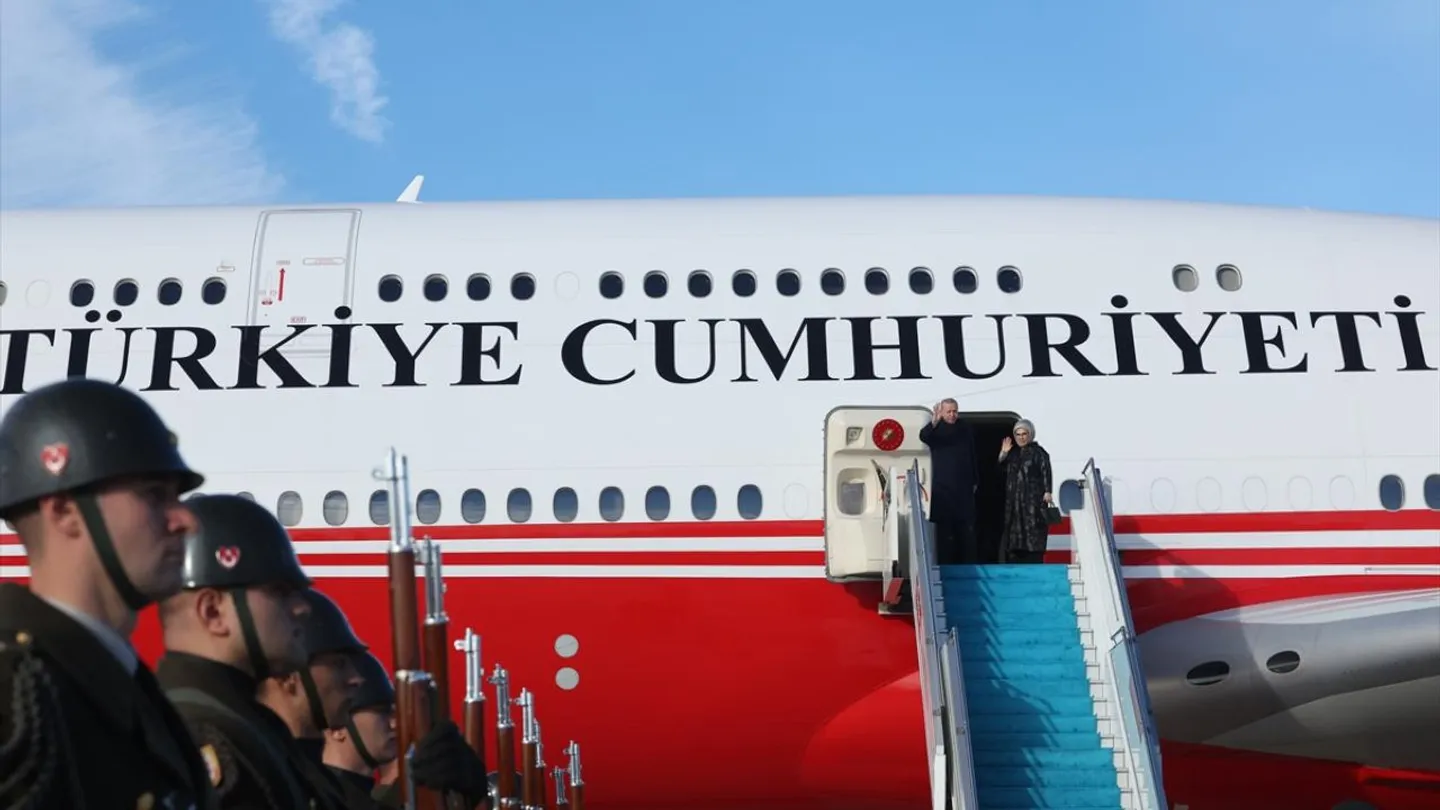
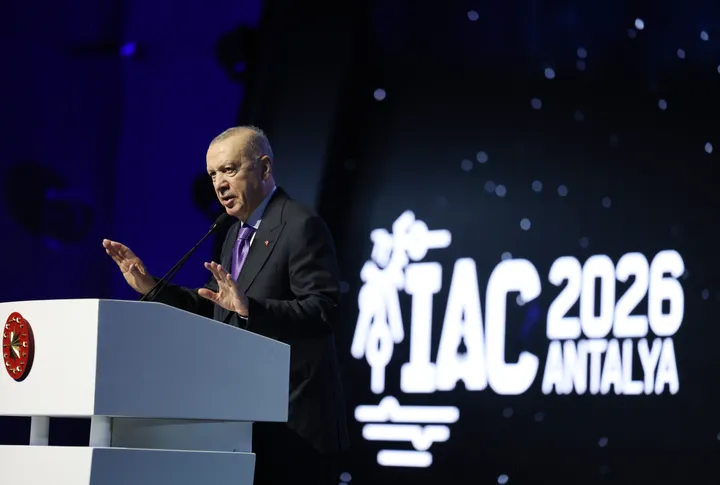
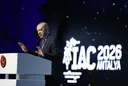
Türkiye’s President Recep Tayyip Erdogan is embarking on a high-profile three-nation Gulf tour from Tuesday, signalling Ankara’s ambition to deepen economic and strategic footprint in the region at a time of shifting regional dynamics.
Beginning in Kuwait, the trip will take president Erdogan to Qatar and Oman on October 22 and 23.
Presidential Communications Director Burhanettin Duran said on X that the visits will focus on reviewing bilateral relations and exploring ways to further strengthen cooperation.
Besides discussions on regional and international developments, various bilateral agreements are expected to be signed during the president's visit along with the high–level delegation.
President Erdogan is set to meet with the Emir of Kuwait in the capital, Kuwait City, on the first leg of his tour.
The second stop of his Gulf tour will be Qatar. In Doha, Erdogan will hold talks with Qatari Emir Sheikh Tamim bin Hamad Al Thani on Wednesday.
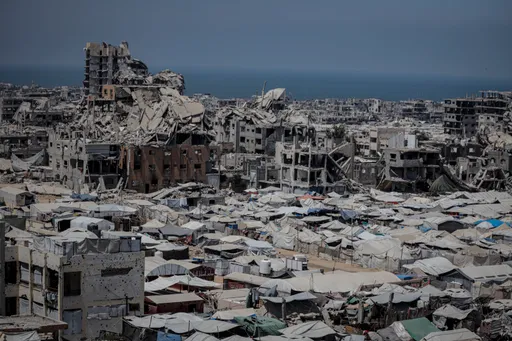
The meeting will address a wide range of issues, from bilateral relations to regional matters. The ceasefire process in Gaza and the reconstruction of the region will be at the top of the agenda.
On Thursday, Erdogan will travel to Oman, the final stop of his Gulf visit. In Muscat, he will meet with Sultan Haitham bin Tariq for bilateral discussions. Alongside economic cooperation, regional developments will also be reviewed.
According to officials, the agenda will include strengthening cooperation in trade, energy, defence, and emerging technologies, while also addressing pressing security concerns.
“These visits are not only about economic cooperation,” says Professor Oktay Tanrisever from Middle East Technical University in Ankara and a scholar in international relations.
“They are also meant to highlight Türkiye’s commitment to regional security, particularly after Israel’s attack on Doha and amid efforts to rebuild Gaza and Syria,” Tanrisever tells TRTWorld.
Balancing security and economics
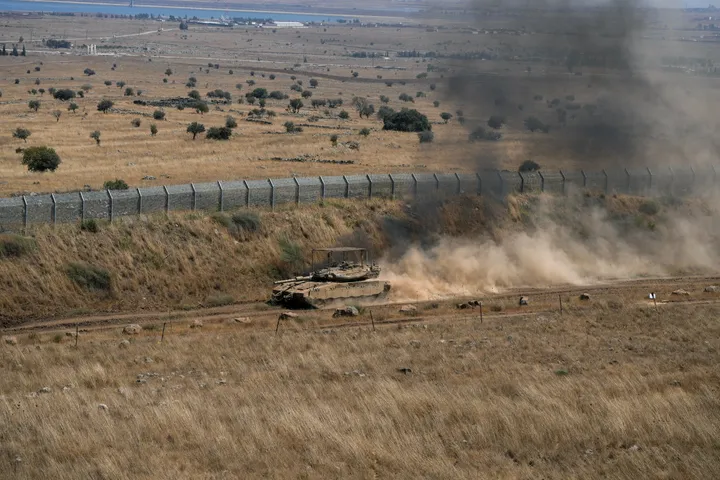
President Erdogan’s tour comes against the backdrop of a fragile ceasefire in Gaza and efforts to rebuild Syria after the fall of the Assad regime.
Analysts suggest that Türkiye is positioning itself as both a security guarantor and a reconstruction partner.
Associate professor Suay Nilhan Acikalin from Haci Bayram Veli University in Ankara, tells TRT World that the sustainability of the ceasefire would be central to discussions.
At the same time, she emphasises that the Gulf visits offer “a platform for Türkiye to expand cooperation across a wide spectrum, from energy to artificial intelligence.”
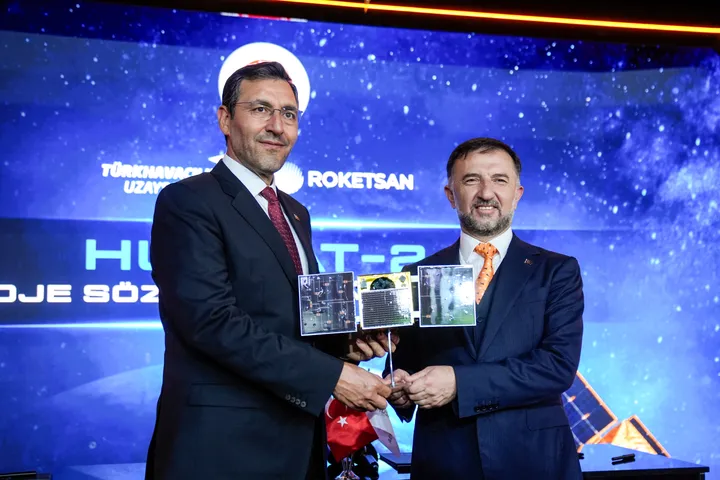
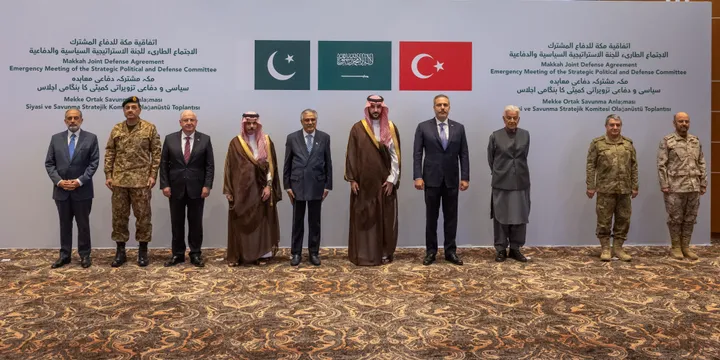

Officials in Ankara see economic diplomacy as intertwined with security. Gulf states, many of which are expanding their defence capacities, have become increasingly important for Türkiye’s defence industry exports.
Tanrisever says, “President Erdogan has always attached great importance to relations with the Gulf countries, and this tour will further reinforce both economic and security bonds.”
While President Erdogan has visited Kuwait and Qatar several times before, the stop in Oman marks his first official trip there as president.
Observers say this carries symbolic weight. “The Muscat visit is significant in itself,” Acikalin remarks.
“It represents an opportunity to open a new chapter in bilateral relations, while signalling Türkiye’s interest in Oman’s traditionally independent foreign policy and its role as a regional mediator.”
Anticipated agreements
Diplomatic sources confirm that a series of bilateral and multilateral agreements are expected to be signed during the trip.
These would expand cooperation in areas such as investment, energy security, and digital transformation.
By incorporating emerging fields like artificial intelligence into the agenda, Türkiye is signalling its willingness to align with Gulf modernisation strategies.
Acikalin suggests that the agreements would reflect the breadth of Türkiye’s approach. “From defence contracts to digital partnerships, the Gulf is becoming one of Ankara’s most versatile diplomatic arenas.”
The visits also send a message to regional and international audiences.
With Gulf capitals increasingly wary of regional volatility, President Erdogan’s presence underscores Ankara’s intention to act as both a partner and a stabiliser.
“Türkiye’s concern for the security of Gulf states is not just rhetoric—it is backed by concrete defence, trade, and diplomatic initiatives,” Tanrisever adds.
Analysts expect that the outcomes will not only strengthen Türkiye’s bilateral ties but also demonstrate its growing influence in shaping the economic and security architecture of the Gulf.