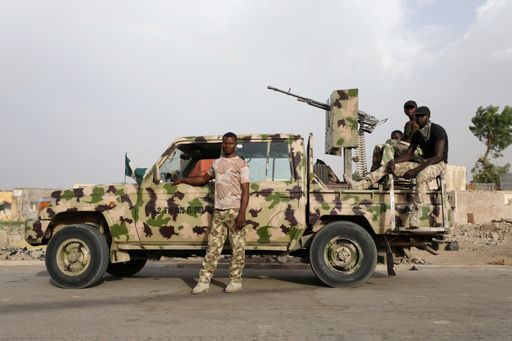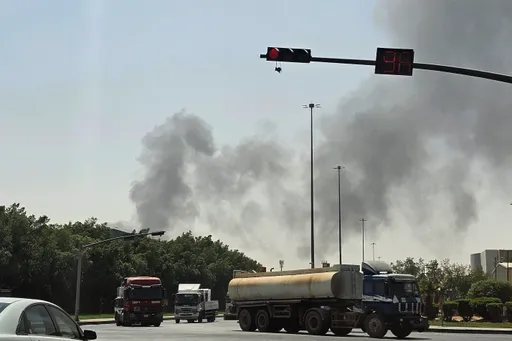
An explosion ripped through a mosque in the Nigerian city of Maiduguri and killed seven worshippers on Wednesday, a militia leader told AFP.
No armed groups immediately claimed responsibility for what militia leader Babakura Kolo said was a suspected bombing.
Maiduguri is the capital of Borno state, home to a years-long insurgency from terrorist groups Boko Haram and offshoot Daesh, though the city itself has not seen a major attack in years.
No group has claimed responsibility, but militants have previously targeted mosques and crowded places in Maiduguri in suicide bombings and improvised explosive device attacks.
Boko Haram launched its uprising in Borno state in 2009, seeking to establish an “Islamic caliphate”.







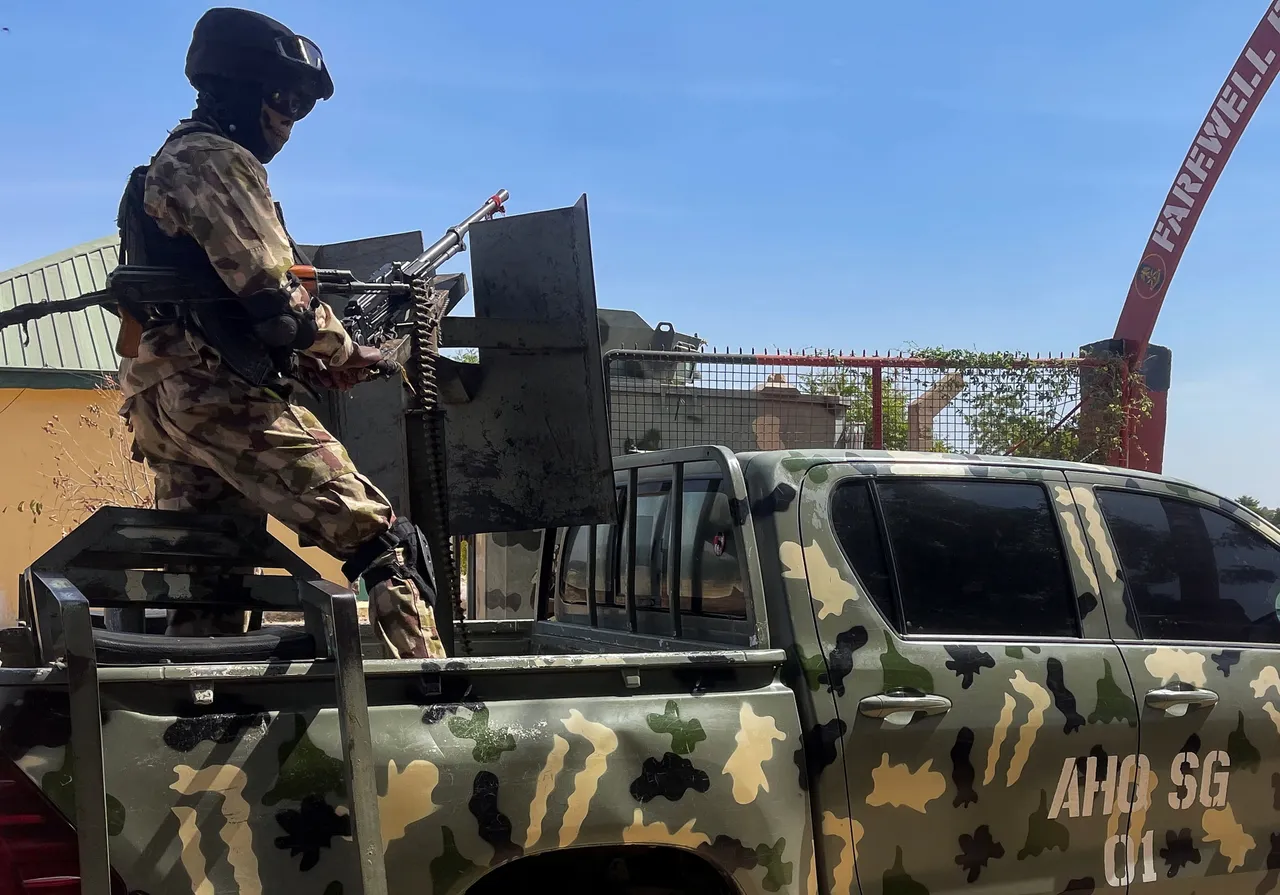
Despite military offensives and regional cooperation, sporadic attacks continue to threaten civilians in the northeast.
During 2025, northeastern Nigeria has seen a resurgence of violence by Boko Haram and related radical groups, with multiple attacks on civilians and military targets in Borno state.
In July, at least nine people were killed and four wounded in a Boko Haram assault on the Malam Fatori community, prompting government officials to promise enhanced security measures. Terrorist raids have increasingly targeted farmers and other civilians in the Gwoza district and surrounding areas, with at least 14 killed in one such attack near Pulka.
Despite these efforts, the long-running Boko Haram insurgency continues to pose a serious security challenge, contributing to widespread displacement, loss of life, and instability across the region.