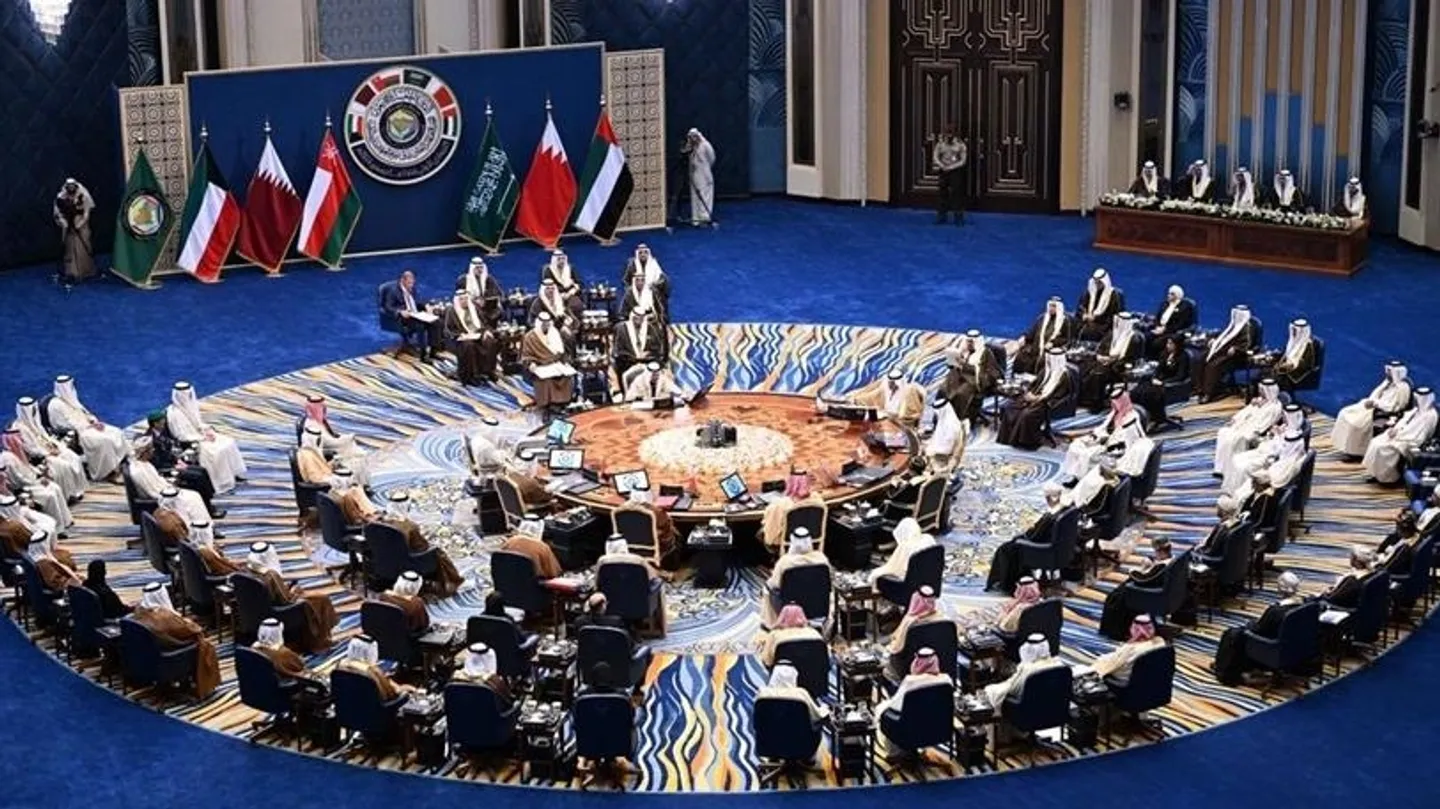
The Gulf Cooperation Council (GCC) has issued a strong rebuke to Tehran after a new wave of Iranian statements revived decades-old disagreements over territorial sovereignty in the Gulf.
The bloc of six Gulf Arab states said Iran’s remarks, reasserting claims over the three disputed islands of Abu Musa, Greater Tunb and Lesser Tunb, which are also claimed by the United Arab Emirates (UAE), contain false assertions and undermine regional stability.
The GCC comprises Saudi Arabia, Oman, the UAE, Qatar, Bahrain, and Kuwait.
GCC Secretary General Jasem Mohamed Albudaiwi criticised the comments as violations of international law and principles of good-neighbourliness, stressing that they infringe upon the sovereignty of the UAE and contradict the Council’s longstanding efforts to foster constructive engagement with Tehran.
He added that similar rhetoric has affected other member states, including Bahrain and Qatar, and pointed to past Iranian actions that he said breached Qatar’s sovereignty.
The dispute intensified following remarks by Iranian Foreign Ministry spokesman Esmaeil Baghaei and Parliamentary Speaker Mohammad Bagher Ghalibaf, both of whom insisted the islands are indisputable Iranian territory.
Ghalibaf, later responding directly to the GCC’s condemnation issued after its summit in Bahrain last week, said the bloc’s position rested on “baseless and absurd claims encouraged by outside actors.”
He warned neighbouring states not to “test the will of the Iranian people” in defending what Tehran views as its territorial integrity, calling the islands “pieces of Iran’s body.”


The three islands, located near the strategic Strait of Hormuz, have been under Iranian control since 1971 after the British withdrawal from the region, an event that sparked an enduring dispute.
The UAE has repeatedly urged arbitration or adjudication by the International Court of Justice, but Iran has rejected all proposals for third-party settlement.
The issue has become a constant feature of GCC ministerial statements and appears regularly in joint declarations with global partners such as the EU and China. Tehran routinely responds with diplomatic protests, summoning envoys or issuing official objections.
Albudaiwi stressed that Iran’s repeated claims contradict the GCC’s ongoing diplomatic outreach, including previous meetings between GCC foreign ministers and Iranian officials aimed at easing tensions and promoting mutual interests.
He warned that the continuation of hostile statements threatens to erode trust at a time when the region needs cooperation to achieve stability and economic growth.
The GCC reiterated its call for Iran to engage in direct negotiations or refer the islands dispute to the International Court of Justice, describing lawful dialogue as the only path to safeguarding regional security.
Albudaiwi emphasised the bloc’s commitment to peaceful coexistence and urged Tehran to abandon rhetoric that could escalate tensions in an already sensitive strategic corridor.