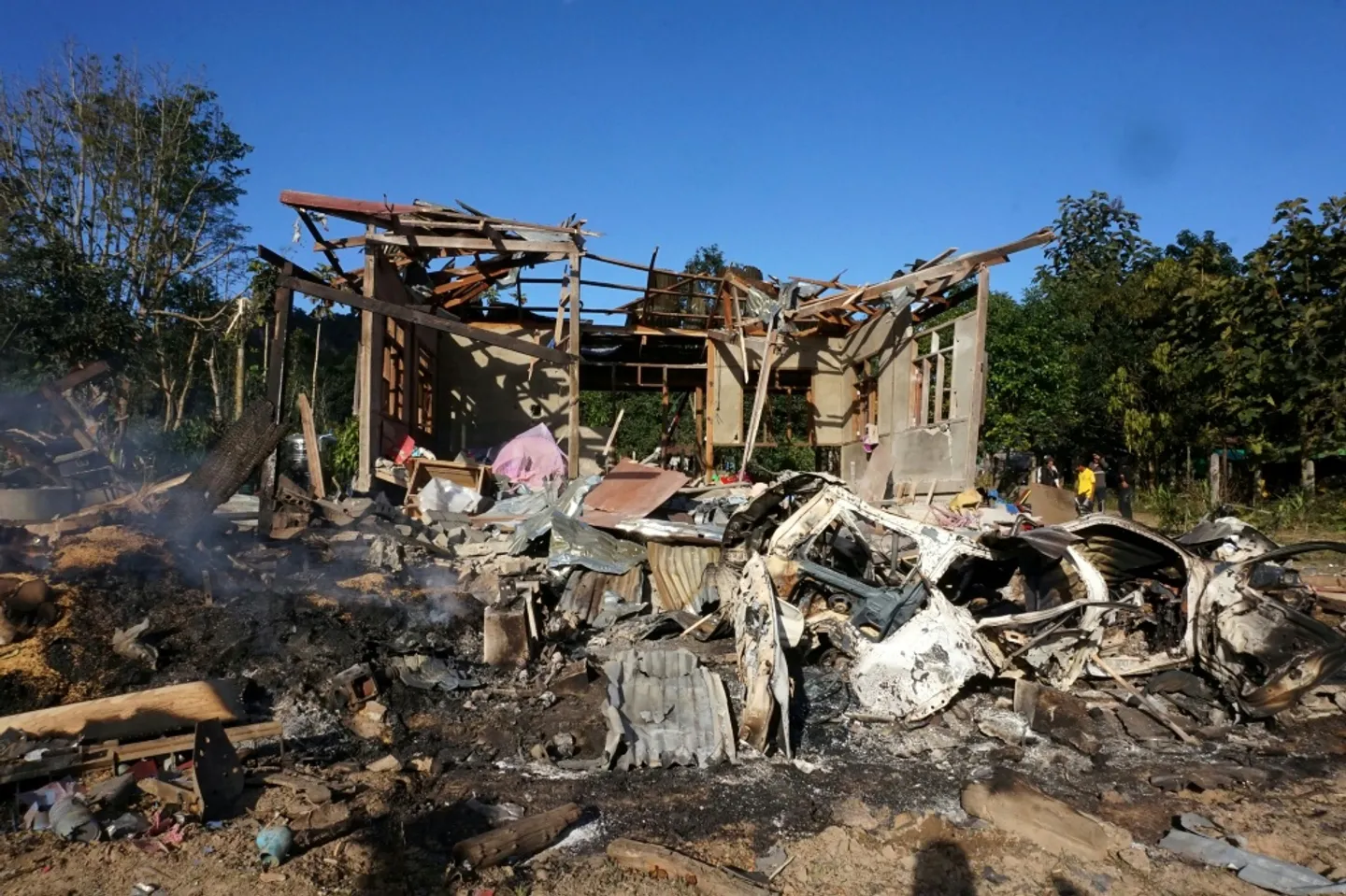
Around 30 people have been killed in two Myanmar junta air strikes, witnesses said, bringing the bombing toll to about 60 in three days, a week after an international court found the state had committed genocide against Rohingya Muslims.
A strike at a wedding venue in the Moe Bye district in the northeast saw around 20 people killed on Saturday, according to witnesses, with another nine said to have died in another bombing in western Rakhine province.
The opposition to the Junta, the self-declared "National Unity Government" (NUG), said 29 people had been killed Thursday in central Myanmar.
The junta controls Moe Bye town, but opposition forces operate in the area outside it, on the borders of Shan and Karenni states, with large numbers of internally displaced people.
The leader of a rescue organisation put the toll at 21, including five children.
The witness heard an aircraft flying overhead before the bomb struck the venue where preparations were being made for two displaced people to marry.
School strike
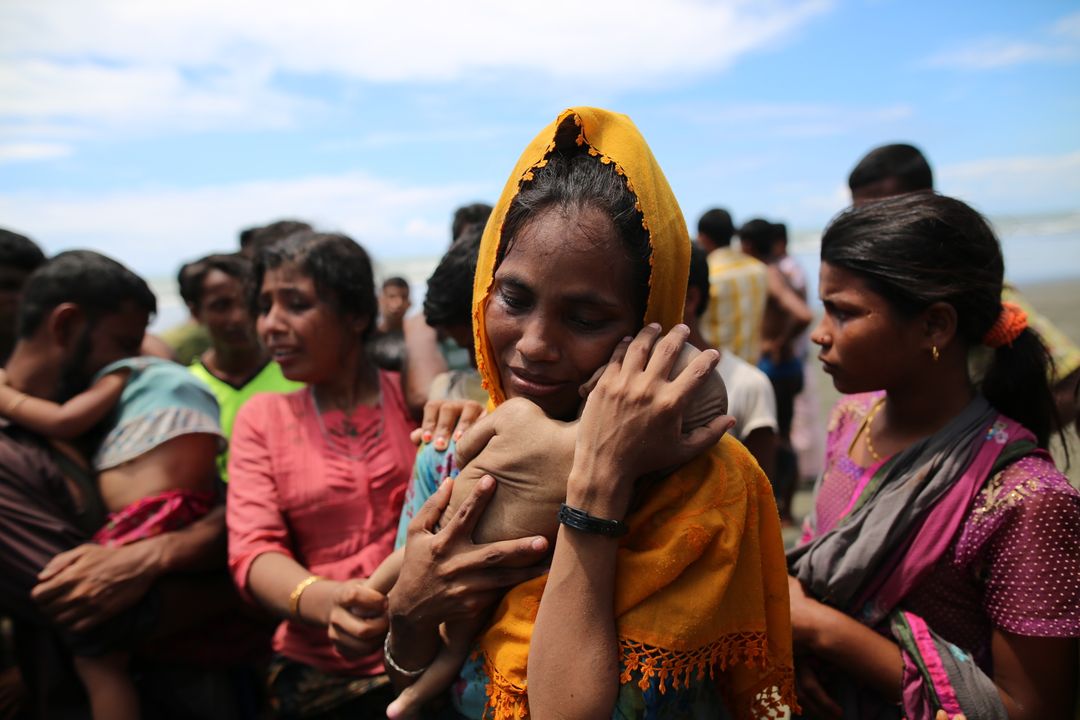
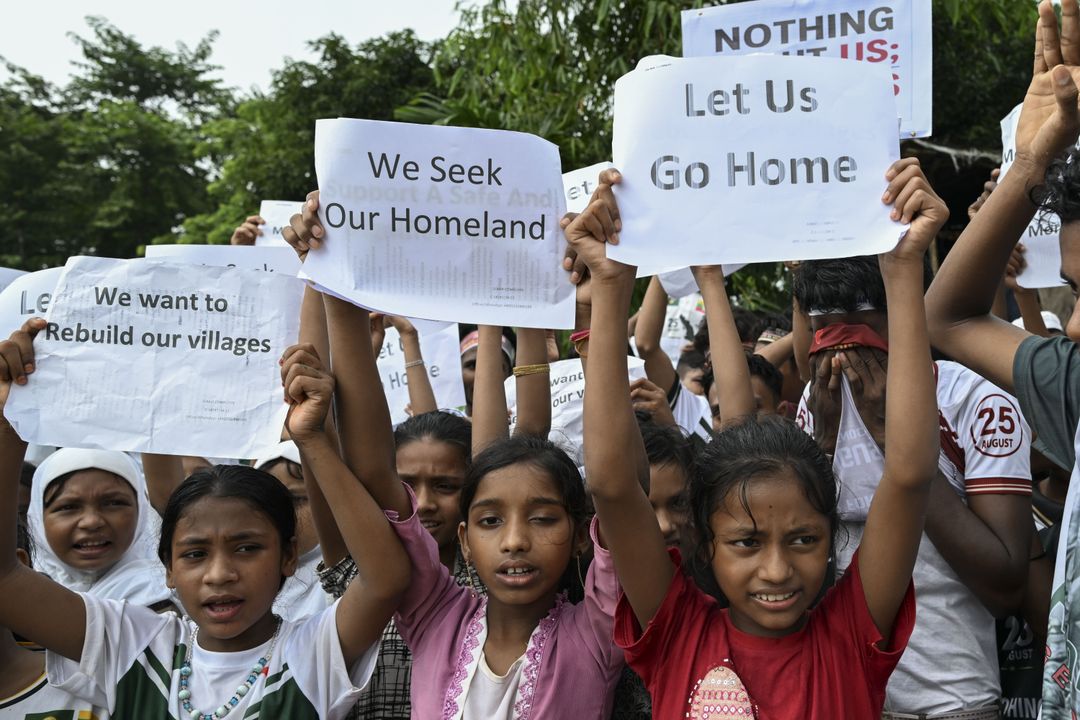
Saturday's strikes come after the International Court of Justice issued a searing verdict on November 19 that Myanmar committed genocide against its Muslim Rohingya minority during a 2017 crackdown in Rakhine, its forces systematically killing, raping and destroying the property of civilians.
Myanmar leader Min Aung Hlaing, who carried out the 2021 coup and was installed as president this year after widely criticised elections, said on Thursday his government would not comply with the ICJ ruling.
According to the NUG, on the same day, 20 civilians, including women and children, were killed in a bomb, artillery and drone attack centred on a school and monastery in the Magway region.
The three strikes are the latest mass casualty incidents in the brutal civil war that followed the 2021 coup that deposed Aung San Suu Kyi's elected government.
The monitoring group ACLED says more than 100,000 people have been killed on all sides.
In February 2021, the military seized power in a coup, detaining Aung San Suu Kyi, whose National League for Democracy had won the previous year's election, and ending a decade of partial civilian rule under a military-drafted constitution.
Anti-coup protests were put down by forces, but activists quit the cities to form guerrilla groups, fighting alongside ethnic minority armies which have long resisted central rule.