 Zeynep Conkar
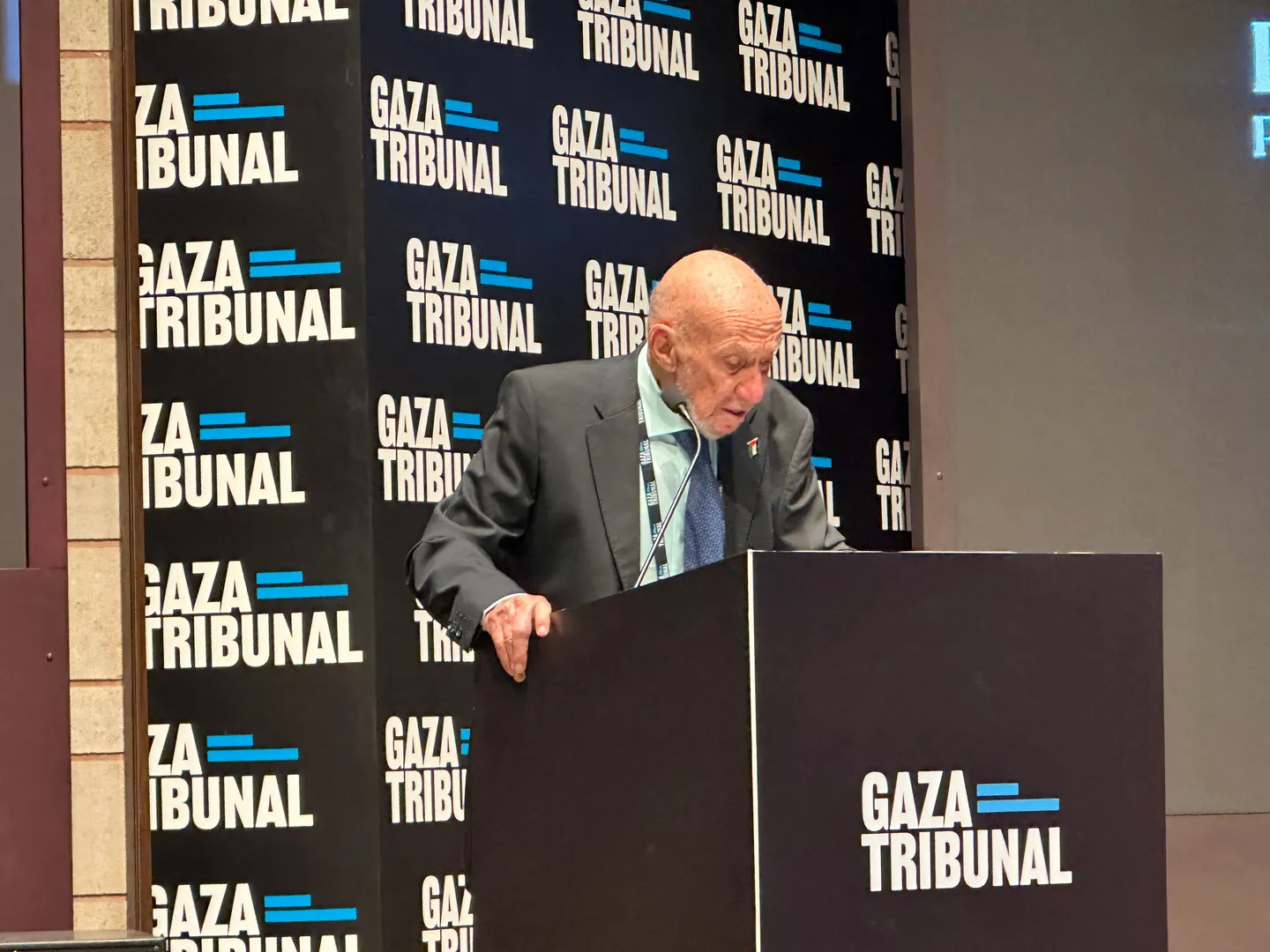
The Gaza Tribunal, an independent people’s tribunal dedicated to ending genocide in Gaza and advancing the Palestinian people’s right to self-determination, opened its historic session today at Istanbul University’s Cemil Birsel Conference Hall.
The four-day event from October 23 to 26 brings together academics, human rights advocates, journalists, and civil society representatives to present evidence, testimonies, and legal assessments of war crimes and human rights violations in Gaza.
TRT World is at the event to report from the scene, where testimonies and detailed legal arguments are being heard in front of a global audience.
Chaired by former UN Special Rapporteur on Palestine Professor Richard Falk, the Tribunal marks the first time that the genocide in Gaza is being publicly tried in the court of global conscience through a collective civil initiative.
“The Gaza Tribunal should be considered as one of several instruments for providing people with a truthful account of the horrifying events unfolding in Gaza over the past two years,” Falk said in his opening address.
“It is an act of resistance, a call to action on behalf of justice and durable peace, grounded in Palestinian participation, which has long been denied.”
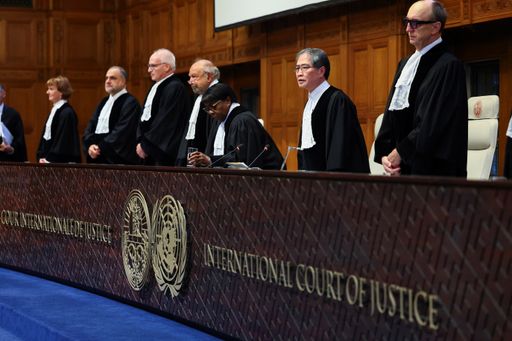
Over the next four days, the jury – composed of prominent legal and moral authorities, including author and member of Ottoman royal family Kenize Mourad, Palestinian academic Ghada Karmi, and international law professor Christine Chinkin – will hear from survivors, doctors, journalists, and scholars.
The panel will issue its final judgment on October 26, followed by the publication of a comprehensive report documenting the Tribunal’s findings.
Falk, who served as the UN Special Rapporteur on human rights in the occupied Palestinian territories between 2008 and 2014, described the Tribunal as a form of “societal resistance to state propaganda and media bias” that has long distorted realities in Gaza.
He points to the double standards in global reporting, contrasting the international attention surrounding Israeli hostages with the near silence on the release of over 1,900 Palestinian detainees, most of whom were “arbitrarily imprisoned and badly abused.”
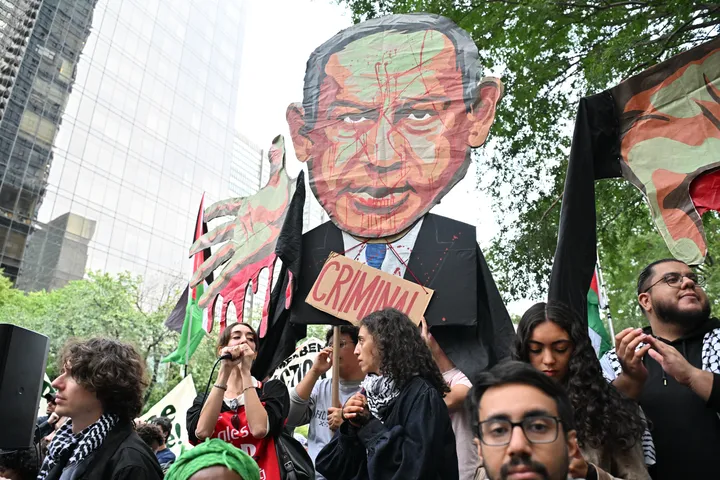
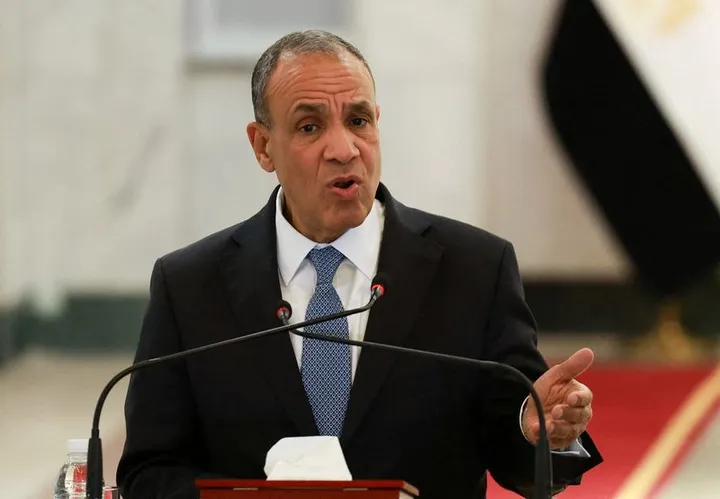
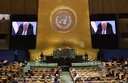
Falk also commended recent UN efforts, including the work of the Commission of Inquiry on Gaza and the reports submitted by Francesca Albanese, the current UN Special Rapporteur on Palestine, who has faced severe political backlash for documenting Israeli crimes.
“Despite facing harassment and defamation, Francesca Albanese has carried the truth to a wider public to counter official lies and propaganda,” Falk says, stating that she had even been barred from entering the United States to present her findings to the UN General Assembly.
Falk also underlined that beyond documenting crimes, the Tribunal plays a crucial role in what he called the “legitimacy war,” a struggle over moral and legal narratives surrounding the conflict.
“The gradual consensus that Israel has become a pariah or rogue state is solid evidence that Palestinians are winning, or have already won, the legitimacy war.”
“History shows that the side that wins this moral battle often shapes the political outcome, even after enduring immense suffering,” Falk explained.
As the proceedings continue in Istanbul, participants describe the Tribunal as a landmark act of collective conscience; one that seeks to expose the reality of genocide in Gaza and mobilises global solidarity.
“Present conditions in Gaza and the (occupied) West Bank require more than words or symbolic politics,” Falk says.
“They require action and commitment. Now is the time to insist on Israeli accountability for the crime of crimes.”
The Tribunal’s final verdict – symbolic and non-binding in nature – will aim to provide a moral and historical record of the Israeli genocide against Palestinians that has killed more than 68,000 people and devastated the Palestinian enclave.